By: Saduni Rukshala

Sri Lanka’s coastal waters are rich in biodiversity and are vital to both local communities and the fishing sector. Shallow coastal waters are especially important as they provide habitats for many marine species and contribute significantly to local fisheries. However, these fragile marine ecosystems are increasingly being affected by intensified fishing activities.

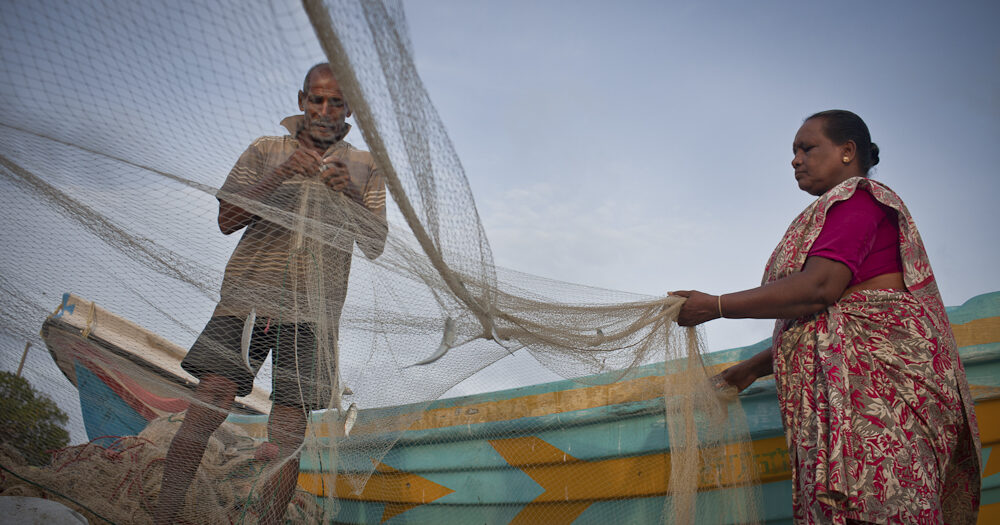
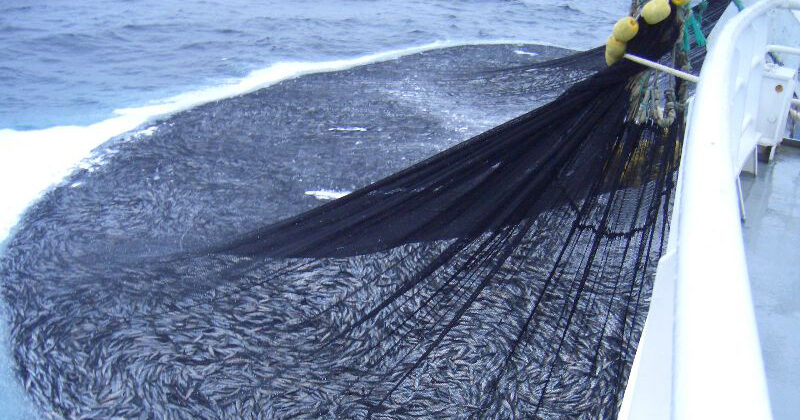
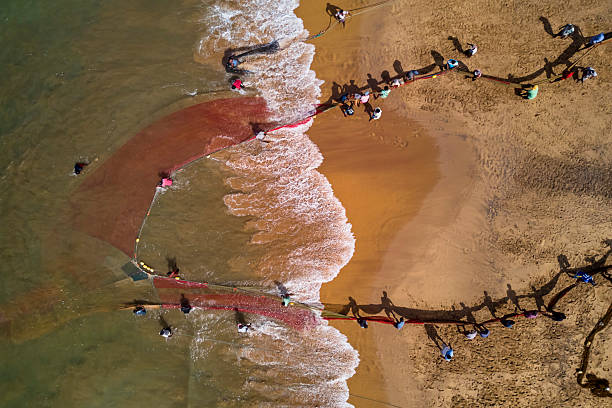
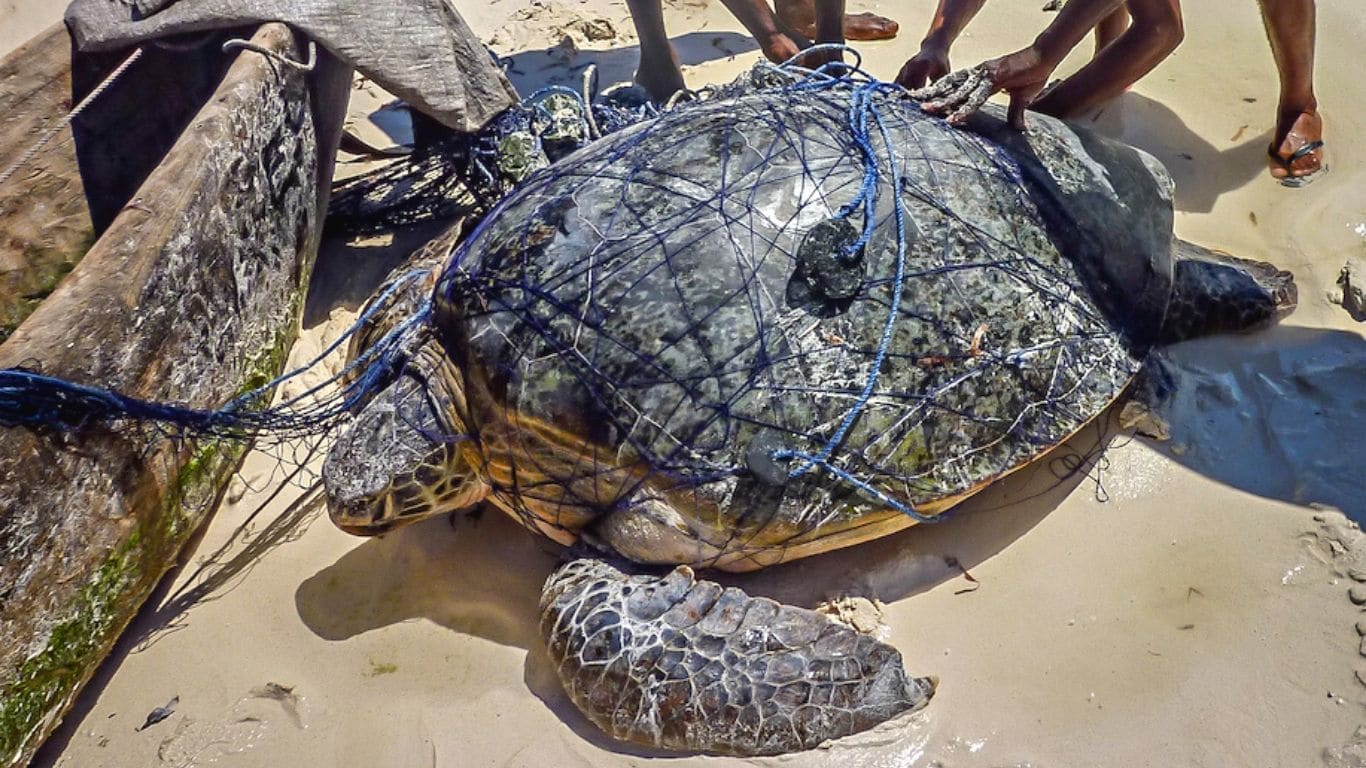
If the ocean provides life and livelihoods for coastal communities, what happens when fishing methods begin to harm the very ecosystems that support them? One such method is the purse seine net. Purse seine nets are large fishing nets used to surround schools of fish in deep waters before the bottom is drawn together like a drawstring purse, which is how the method gets its name. While this technique allows fishermen to catch large quantities of fish efficiently, its use in shallow coastal waters can disturb sensitive marine habitats. It may also lead to the accidental capture of non-target species, including sea turtles, juvenile fish and small reef fish that play an essential role in maintaining healthy marine ecosystems.

Imahge Credit : gettyimages

Using purse seine nets in shallow waters can create significant environmental impacts. Coastal areas often contain coral reefs, seagrass beds and important breeding and nursery grounds for many marine species. Removing large numbers of juvenile fish before they mature can reduce future fish populations and threaten the long-term sustainability of fisheries. These environmental impacts can reduce biodiversity and disrupt the natural balance of marine ecosystems.

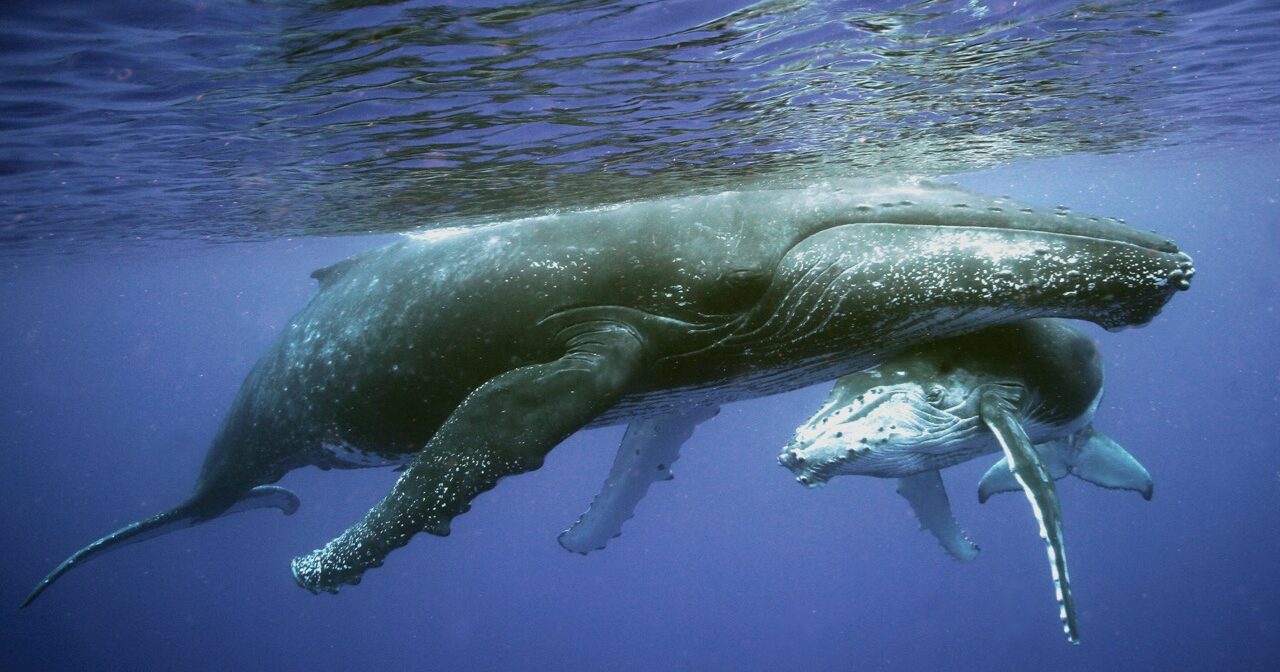
Shallow coastal ecosystems are highly interconnected, meaning that damage to one habitat can affect many other species. Coral reefs and seagrass beds provide shelter, food and breeding areas for fish, crabs, shrimp and other marine organisms. In Sri Lanka, coral reefs are especially important because they maintain fish populations by protecting young fish until they are mature enough to survive in open waters and they also help protect coastlines from erosion. Seagrass beds are equally valuable, as they act as nursery grounds for juvenile fish and feeding areas for animals such as sea turtles.

When purse seine nets are used too close to coral reefs and seagrass beds, these habitats can be disturbed, and the effects may spread throughout the entire ecosystem. If juvenile fish are removed before they can mature, there may not be as many fish available for larger species that depend on them for food. Over time, this can affect the marine food chain and reduce biodiversity. Repeated fishing in the same shallow coastal areas can also make it more difficult for habitats to recover naturally. As a result, marine ecosystems may become more susceptible to further threats including pollution, habitat destruction and climate change.

Image Credit : animalsurvival.org

Recent research on purse seine fisheries highlights the importance of improving bycatch management to reduce environmental harm. Studies suggest that preventing unwanted catches before nets are deployed is more effective than trying to manage them after capture. Better monitoring, careful selection of fishing areas and responsible handling practices can help reduce the accidental capture of non-target species and improve the survival of released fish. Such approaches support more sustainable fishing methods and help limit damage to marine ecosystems.

In response to these concerns, regulations have been introduced in Sri Lanka to control certain fishing practices in coastal waters. These measures aim to reduce environmental damage, prevent overfishing and protect the livelihoods of communities that depend on healthy marine resources. However, the success of these regulations depends on proper enforcement, monitoring, and responsible fishing practices.

Purse seine nets play an important role in commercial fishing, but their use in shallow coastal waters can create serious environmental challenges. Protecting sensitive marine habitats and reducing bycatch are essential steps toward maintaining healthy ocean ecosystems. Fishing remains a vital source of income for many coastal communities and sustainable practices are necessary to balance economic needs with environmental protection. Sustainable management of marine resources is essential to ensure that Sri Lanka’s oceans remain productive and environmentally healthy in the years ahead.

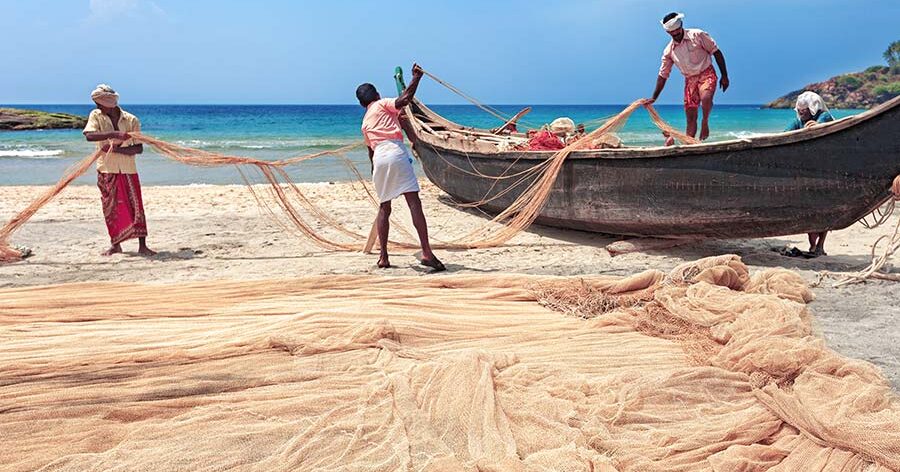
Featured Image Credit : egersundtral

Image Credit : nexttravelsrilanka

Leave a Reply

The Pearl Protectors

The Nets Changing Our Seas

By: Saduni Rukshala Sri Lanka’s coastal waters are rich in biodiversity and are vital to both local communities and the fishing sector. Shallow coastal waters

Read More »
The Pearl Protectors

කැස්බෑ-මිතුරෝ: කැස්බෑවන් සහ ලංකික ජනයා අතර සම්බන්ධතාවයේ විකසනය

රෝජී ඒකනායක කණ කැස්බෑවා විය සිදුරෙන් අහස බලනවා වගේ” වැනි ජනප්‍රිය කියමන් තුළින් පවා ඇඟවෙන්නේ අතීතයේ සිට කැස්බෑවා යන සත්වයා පිළිබඳ ලංකාවාසී ජනතාවට යම් අවබෝදයක්

Read More »