By: Thusitha Bulathgama
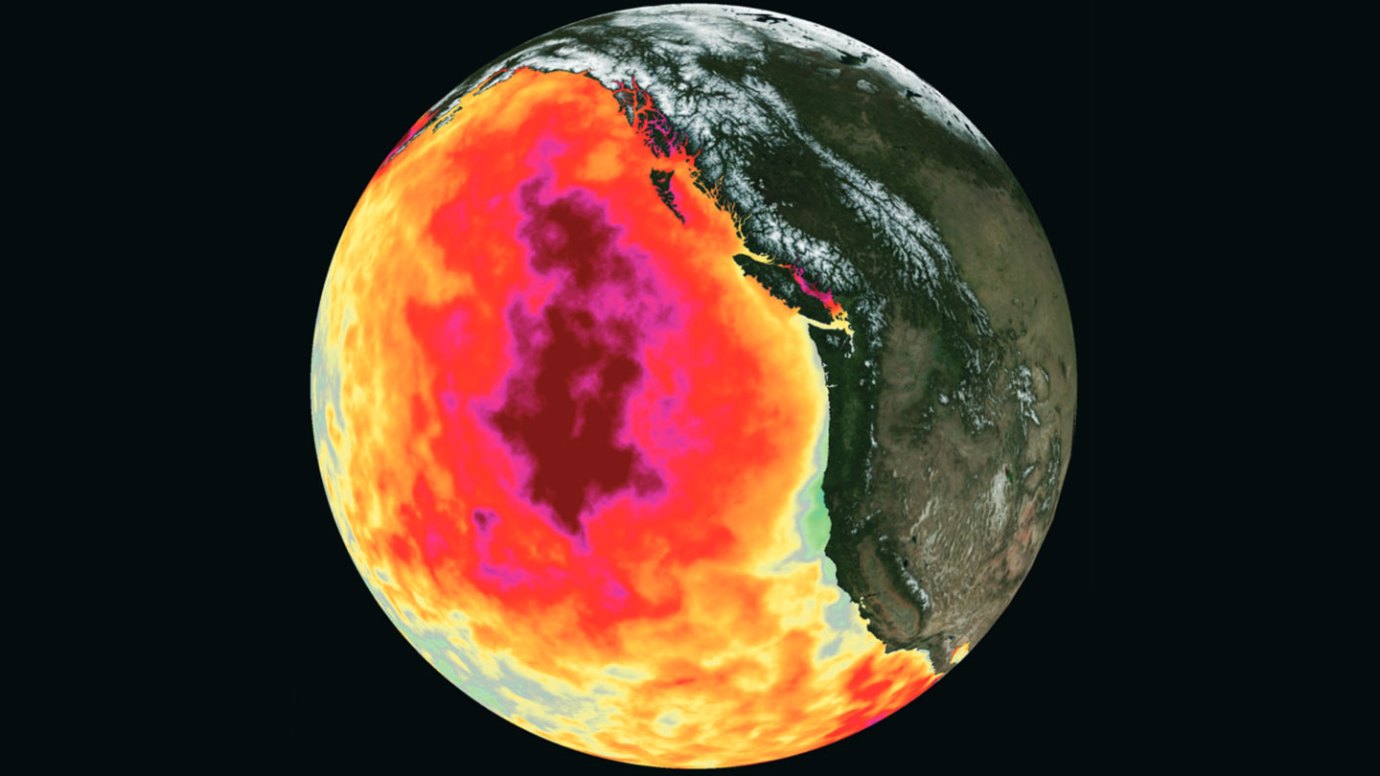
While the world watches rising temperatures in land, a more dangerous heatwaves is unfolding beneath the ocean’s surface. Marine heatwaves are defined by the duration and intensity of abnormally high ocean temperatures. Sea surface temperatures is one of the most common methods used by scientists to measure ocean warming. These heatwaves are often caused by hot, dry and windless weather conditions that prevent warmer surface water from mixing with cooler water below. When warm sea surface temperatures persists for at least five days and exceed a threshold beyond the normal range, they are classified as marine heatwaves. During El Niño years, when excessive heat and dry conditions continue, marine heatwaves are more likely to occur. This issue should not be ignored, as the Intergovernmental Panel on Climate Change states that since 1970s, human activity has been the primary cause of rising ocean temperatures. Therefore, as human we must pay greater attention and take immediate action to address this issue.
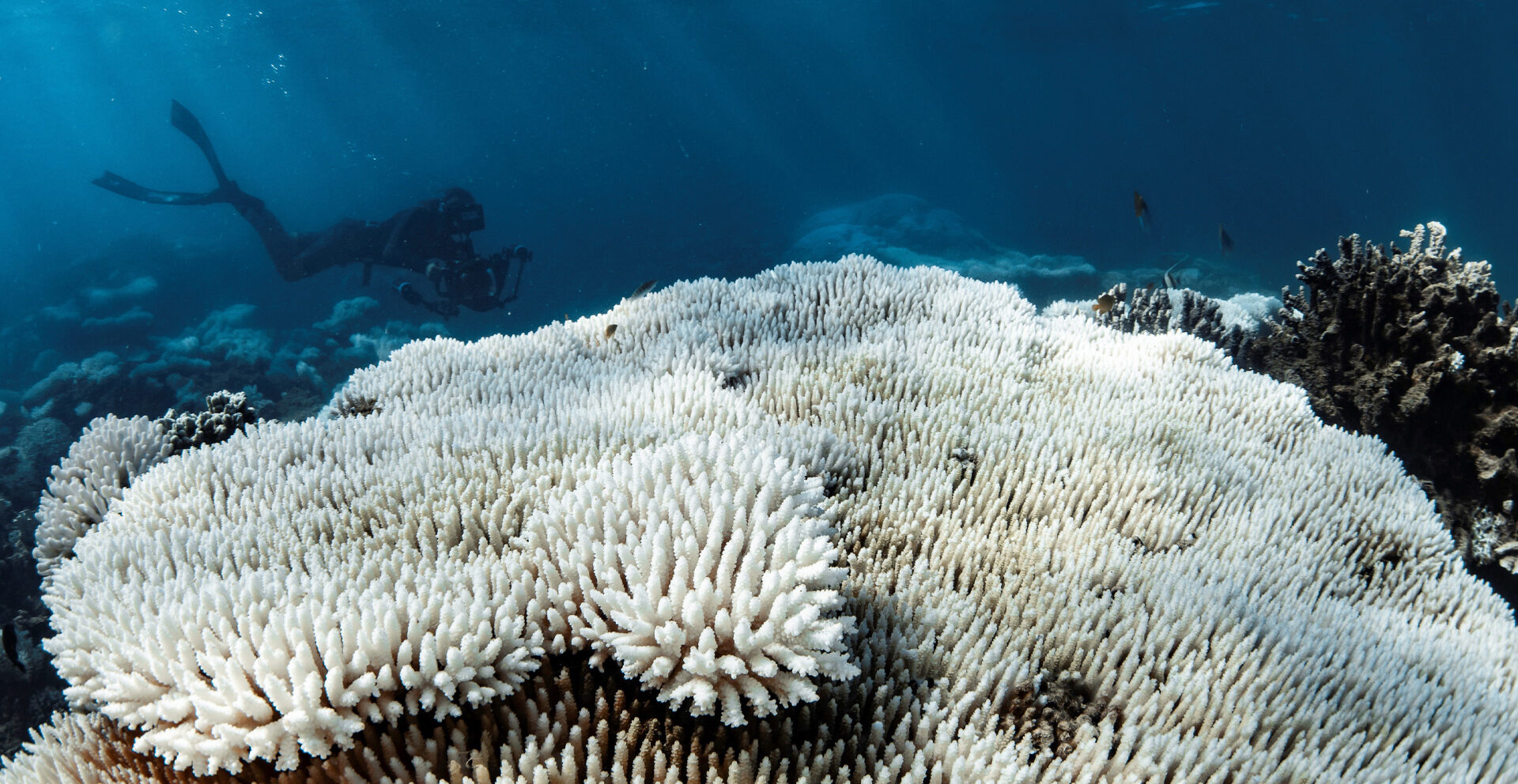
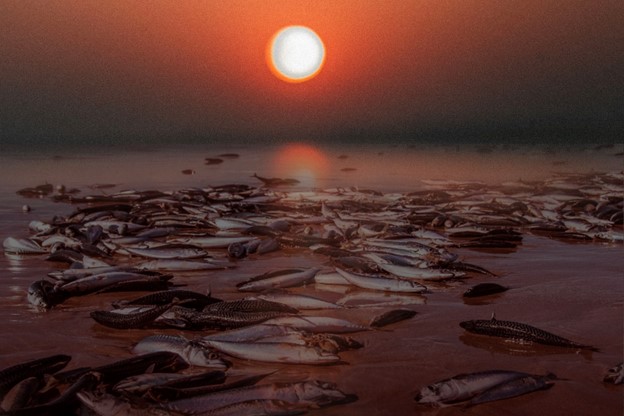
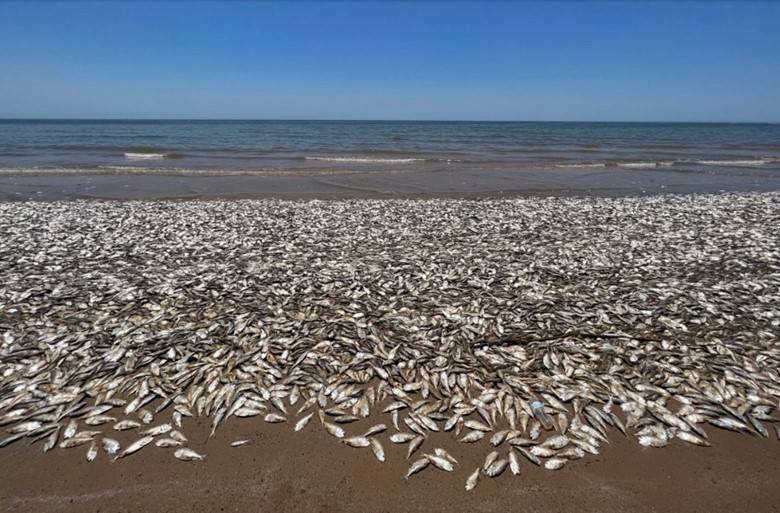
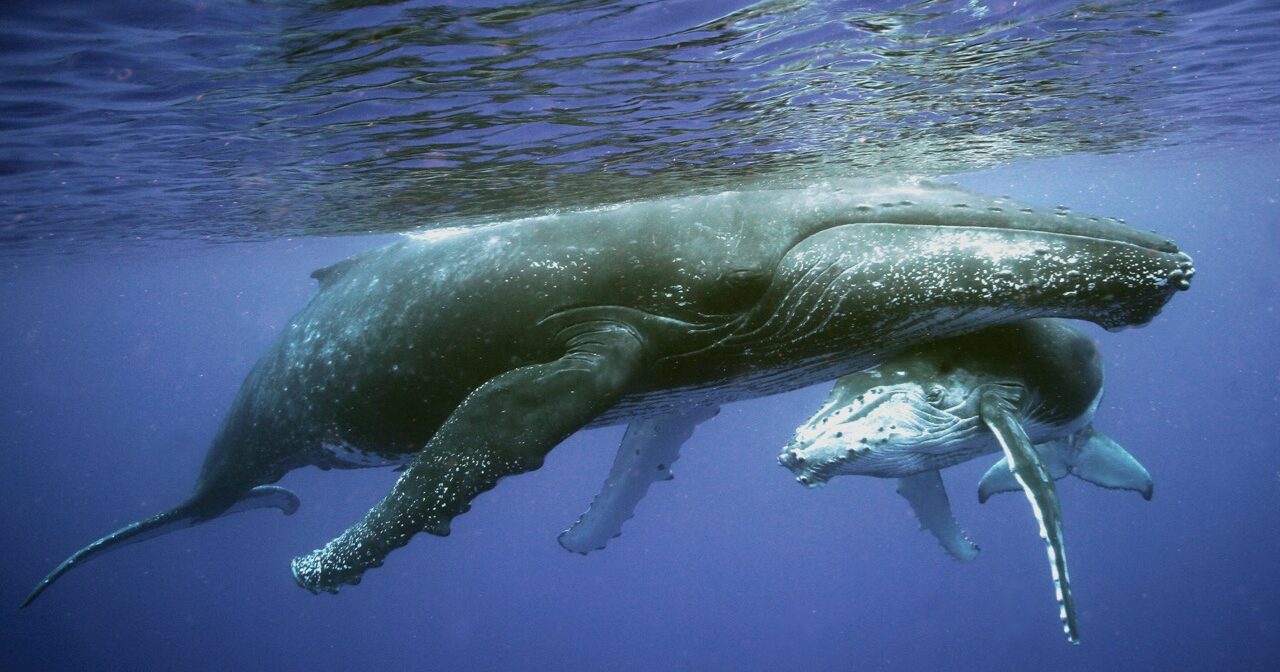
Marine heat waves have severe impacts on marine life. Many of the heat waves that caused extensive coral bleaching and reef deterioration occurred between 2006 and 2015. In 2021, marine heat waves affected nearly 60% of the world’s ocean surface at least one. According to the United Nations Environment Program, if ocean continues to warm, all of the world’s coral reefs could bleach by the end of the century. In addition, heat waves slow the growth of some species, active deadly viruses in infected oysters, and stress mobile spices such as shellfish, oysters and abalone. Marine heatwaves place immense pressure on marine ecosystems, causing coral bleaching and mass deaths fish, marine mammal and seabirds. They can also intensify hurricanes and toxic algal blooms. The duration, timing and depth of temperature changes are key factors that determine how severe these effects are in different regions. Marine heatwaves also leads to instability in the food chain, where smaller species may grow out of control while predators lose their prey. For instance, many marine organisms lose their habitats and breeding grounds due to the decline of key species such as coral reefs. As result, the structure and function of marine ecosystems begin to change, leading to long-term instability. These cascading effects demonstrate that rising ocean temperatures are not isolated events but powerful forces reshaping life beneath the surface.
In the Sri Lankan context, one of the biggest threats facing coral reef is rising ocean temperature. As mentioned, coral reefs are highly sensitive to environmental changes, and when there is a increases in temperature can severely impact their health. Additionally, the country has experienced repeated coral bleaching incidents, particularly during global climate anomalies such as El Niño in 1998, 2016 and more recently 2024, highlighting a troubling trend of increasing marine heatwaves. Such as events not only reduce biodiversity but also disrupt coastal livelihoods that depend on healthy reef ecosystems. Moreover, marine ecosystems in Sri Lanka remain under stress due to the combined effects of ocean warming and acidification which slow recovery rates. This reflects broader global patterns of ocean-driven ecological transformation. If these trends continues, the long-term sustainability of Sri Lanka’s marine biodiversity and fisheries sector will be at significant risk.
In conclusion, marine heatwaves are changing ocean ecosystems in significant and concerning ways. The impacts extend far beyond individual species and threaten the overall balance of marine life, from coral bleaching to disrupted food webs. As climate change intensifies, these hidden changes will have serious effects on biodiversity, fisheries and human livelihoods. The future of our seas depends on consistent and immediate action to address rising global temperatures, making it critical to recognize the urgency of this issue.
Featured Image Credits : www.ccwa