By: Olivia Neilson

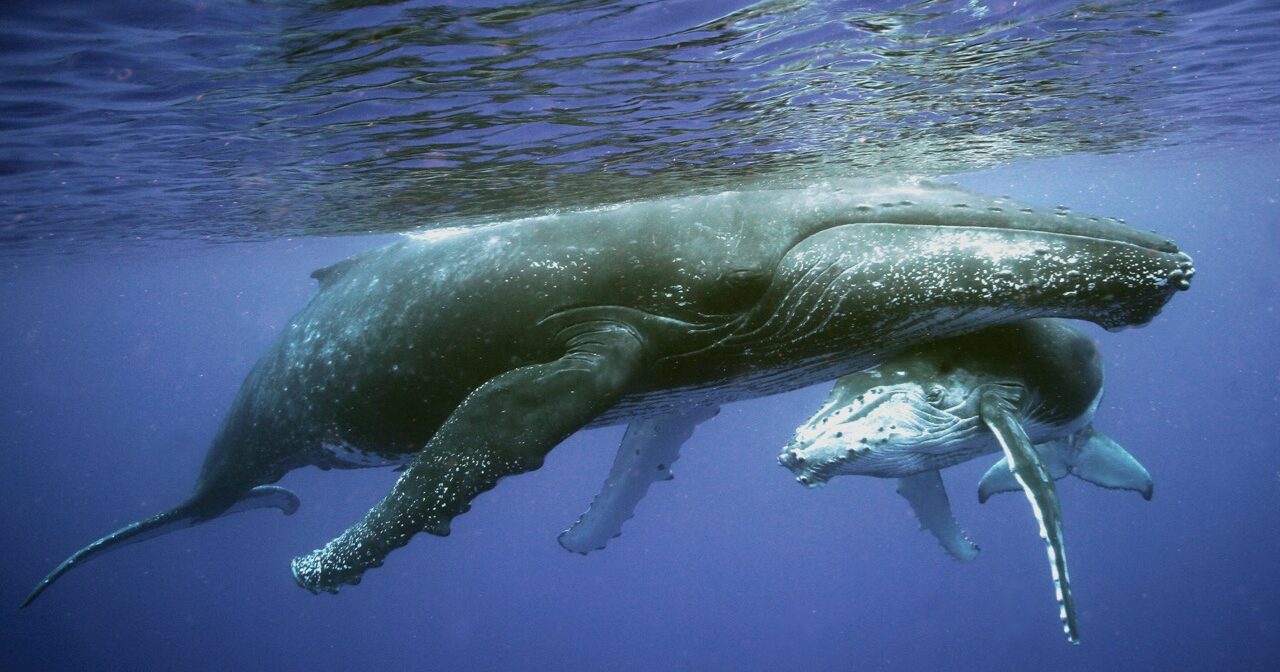
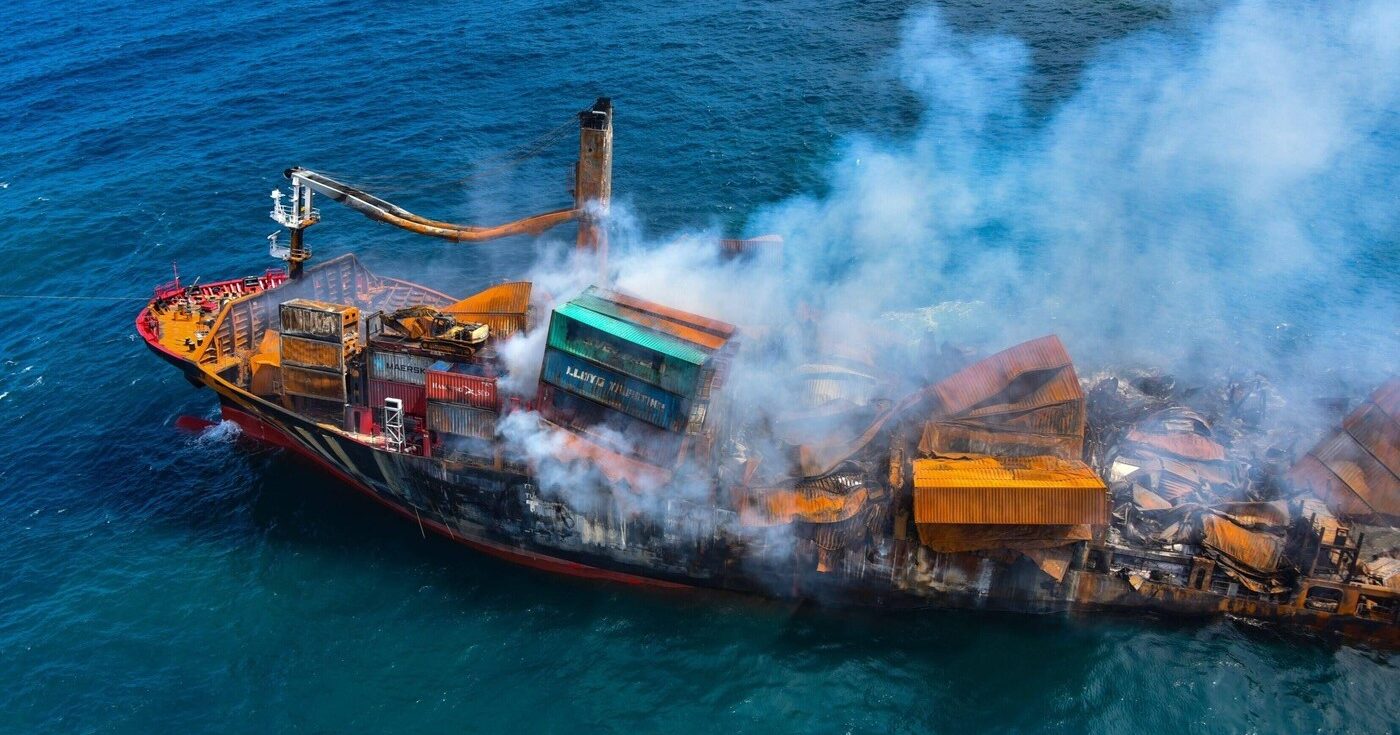
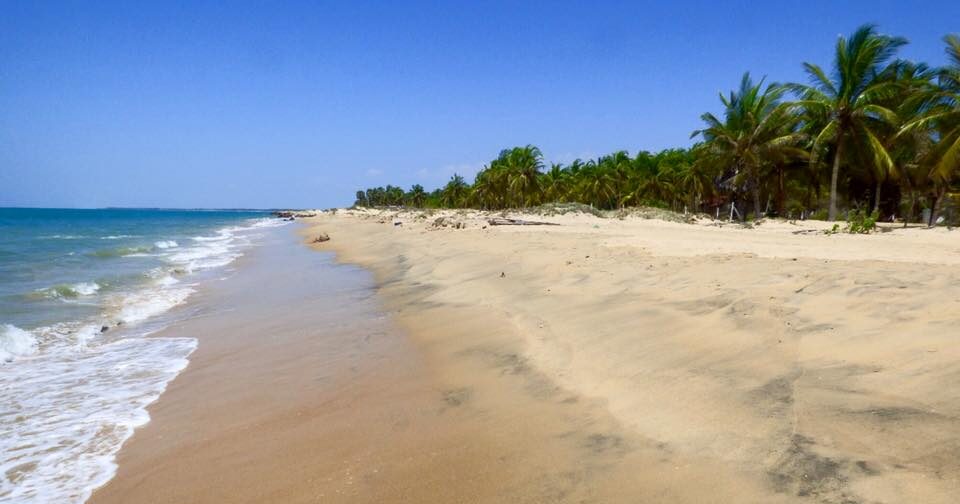
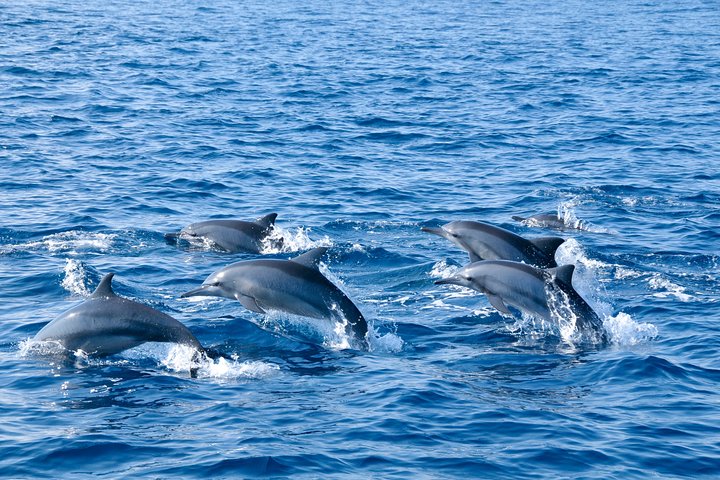
Travel writing on the Kalpitiya Peninsula promises a “sandy, palm tree paradise”, sheltered from the rapidly developing tourism of Sri Lanka’s Southern beaches. The guidebooks highlight the area’s rich marine biodiversity, with Sri Lanka’s biggest coral reef (Bar Reef), and dolphin and whale watching which beats the crowds. The Kalpitiya Peninsula has all of this, but there is one thing the guidebooks don’t tell you. Plastic pollution is rife in the area. In between spotting whales, groups of spinner dolphins, a turtle, and even a ray on a morning boat ride, plastic bottles floated about as stark reminders of the human impact on marine life. The high winds in the peninsula might attract world class kitesurfing, but they also put the world’s plastic problem in plain sight. A beach in Kudawa is littered as far as the eye can see with plastic. The beach resembles more of a dumping ground than a natural habitat. And then there are the micro-plastics, the inconspicuous nurdles that litter the shores and leave “severe and long-lasting consequences for ecosystems, fishing industries, and coastal communities.” Dozens of government-paid workers sieve the beach in Kappalady, attempting to mitigate the tiny toxic nightmare for marine life.

Image Credits: www.dailymirror.lk

In an eco-friendly beach resort called Elements in Kappalady, guests are encouraged to help with the daily beach cleans. It’s easy to fill up a huge bag of plastic within a few hundred meters on the beach. Every morning the staff go out, every night more plastic is blown across. “It’s all about consumption”, says Sylvie, one of the owners of Elements. Sylvie passionately tells me the world’s over consumption is at the heart of the problem. They can keep doing beach cleans, but more needs to be done to tackle the root cause. But whilst our conversation starts from a feeling of helplessness, of plastic drifting over from India and the world’s obsession with fast fashion and plastic wrapped goods, Sylvie stays hopeful. “We have to start with ourselves,” she tells me. Elements uses charcoal to filter the drinking water and stay plastic free in the rooms and restaurant. Whilst there can be a distrust of unbottled water, due to local issues with waste management and water supplies, Sylvie and husband Marcel show that an eco-friendly hotel is possible. They run sustainability workshops with their staff, and would like to raise more awareness within the community of the changes we can make as individuals which can have a positive impact on the planet.

Image Credits: Tripadvisor.com

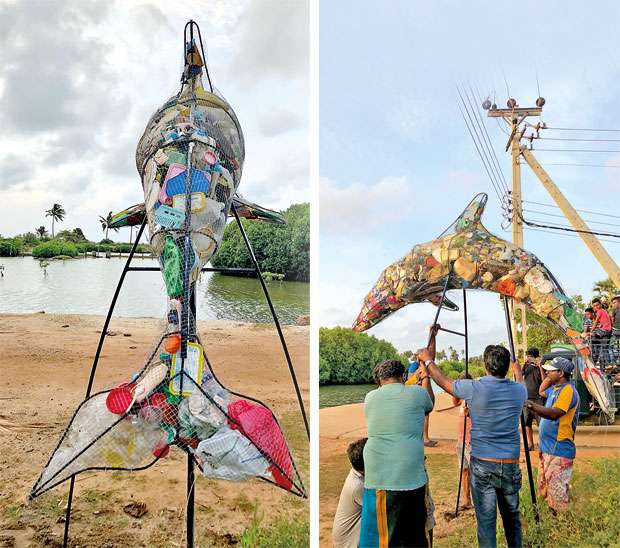
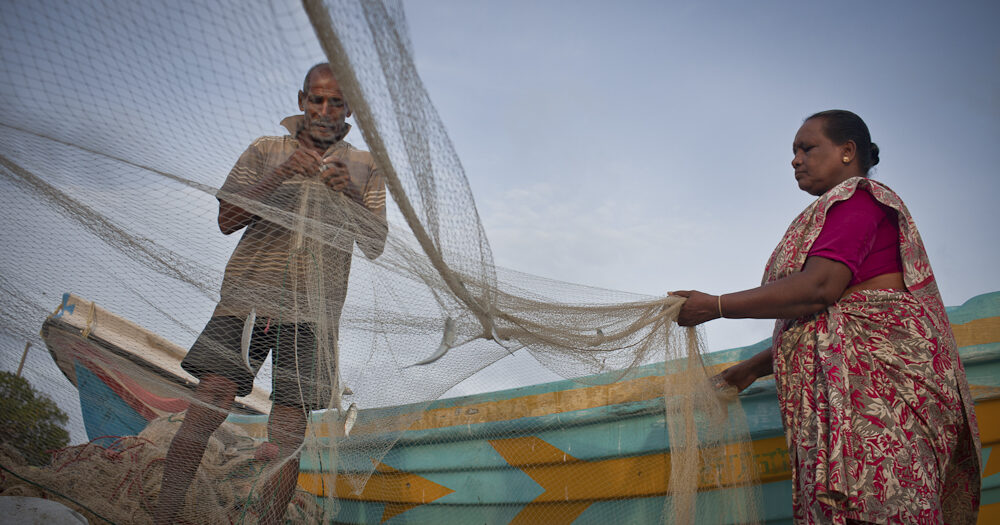
With dolphin watching boat tours in the Peninsular attracting more and more tourists, Ukrainian artist couple Dina Dubrovnik and Kay Artishock, wanted to draw attention to the negligence of tourists who leave their plastic behind afterwards. In 2018, they created a Trash Dolphin sculpture from local beach cleanups. Local fishermen who helped with the sculpture commented, “Sadly most of the time it is our local tourists from all over Sri Lanka who throw their garbage on our beaches after their dolphin watching trips.” As well as plastic waste, ghost nets (deadly discarded fishing gear) are also a huge problem for marine life. As the WWF state in an article from 2019, “Ghost nets don’t only catch fish; they entangle sea turtles, dolphins and porpoises, birds, sharks, seals and more […] And ghost nets harm coral reefs too – breaking corals, exposing them to disease, and even blocking the reeds from needed sunlight.” Washed up fishing nets can be seen on the shores of the Kalpitiya peninsula, but the ghost nets are also sadly found in Bar Reef. Last year, a huge amount of ex-fishing debris was found there. The problem is not going away.

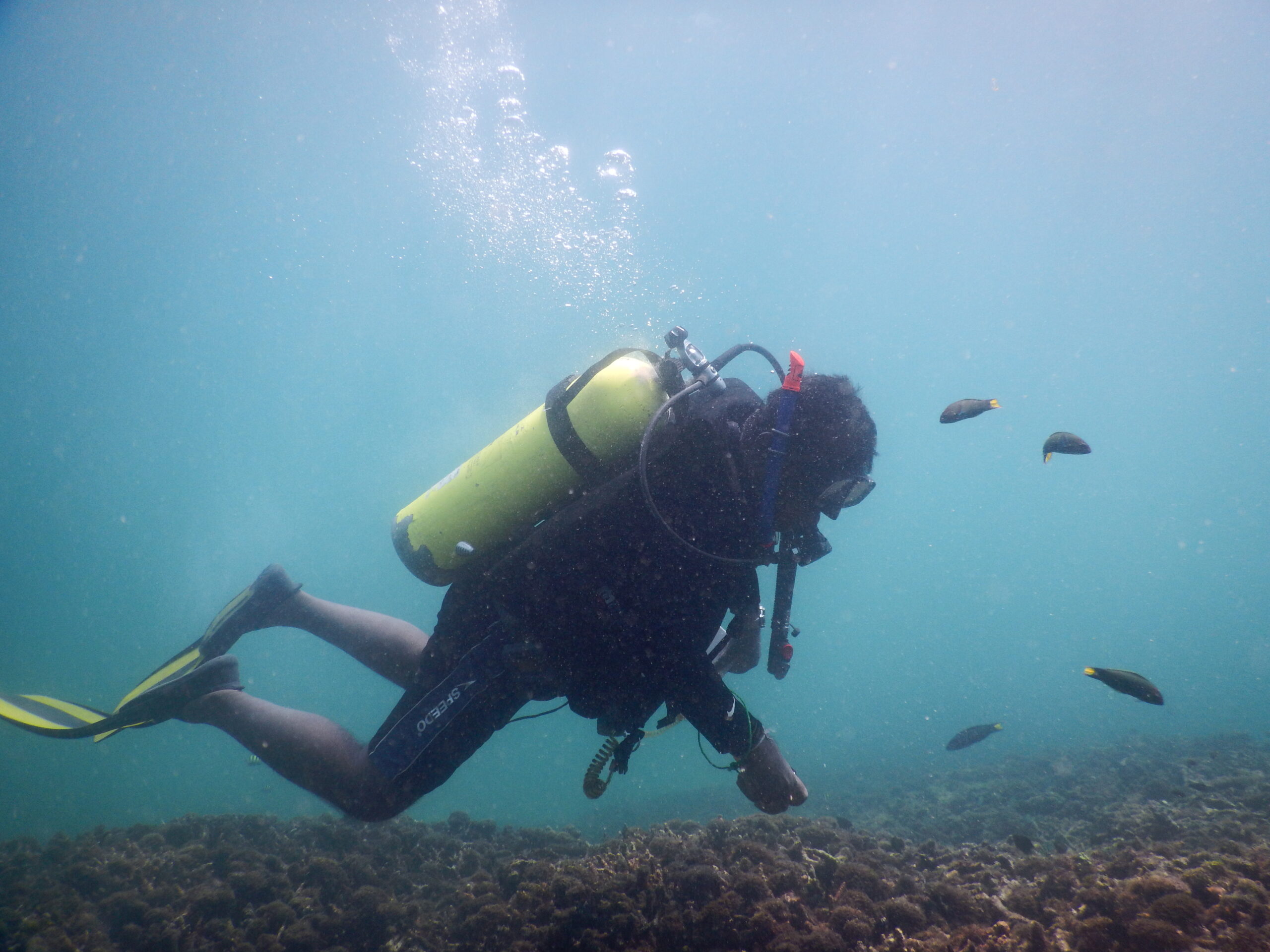
Sylvie and Marcel remarked they had seen noticeable bleaching in Bar Reef in the past eight years. Sylvie showed me a video of the reef her friend had made whilst diving, “there’s nothing left,” she lamented. Whilst Sri Lanka’s rich marine life is a huge draw for visitors from all over the world, there is a deep irony to eco-tourism which can do more to harm marine life than protect them. From the diesel chugging boats and plastic bottles on dolphin watching tours to the plastic straws poking out of King coconuts. But the plastic problem on the beaches in the Kalpitiya Peninsula is a fierce reminder that it all starts with our own habits and decisions, and thanks to eco-friendly resorts like Elements, being a plastic-free tourist is possible.
Feature Image Credit: travel2unlimited.com

Image Credits: undp.org

Leave a Reply

The Pearl Protectors

The Nets Changing Our Seas

By: Saduni Rukshala Sri Lanka’s coastal waters are rich in biodiversity and are vital to both local communities and the fishing sector. Shallow coastal waters

Read More »