Feared but harmless: The gentle manta rays of Sri Lankan waters

By: Amaya Wijesinghe

Sri Lanka is renowned for its blue whales, dolphins, and sea turtles, yet another remarkable giant quietly inhabits its surrounding seas,  the manta ray. Despite its impressive size, this graceful creature remains one of the country’s least understood marine species.

For generations, Sri Lankans have used the phrase “madu waligen gahanna” (to be struck by a manta ray’s tail) to describe severe punishment or misfortune. Such expressions have contributed to the belief that manta rays are dangerous animals. In reality, nothing could be further from the truth.

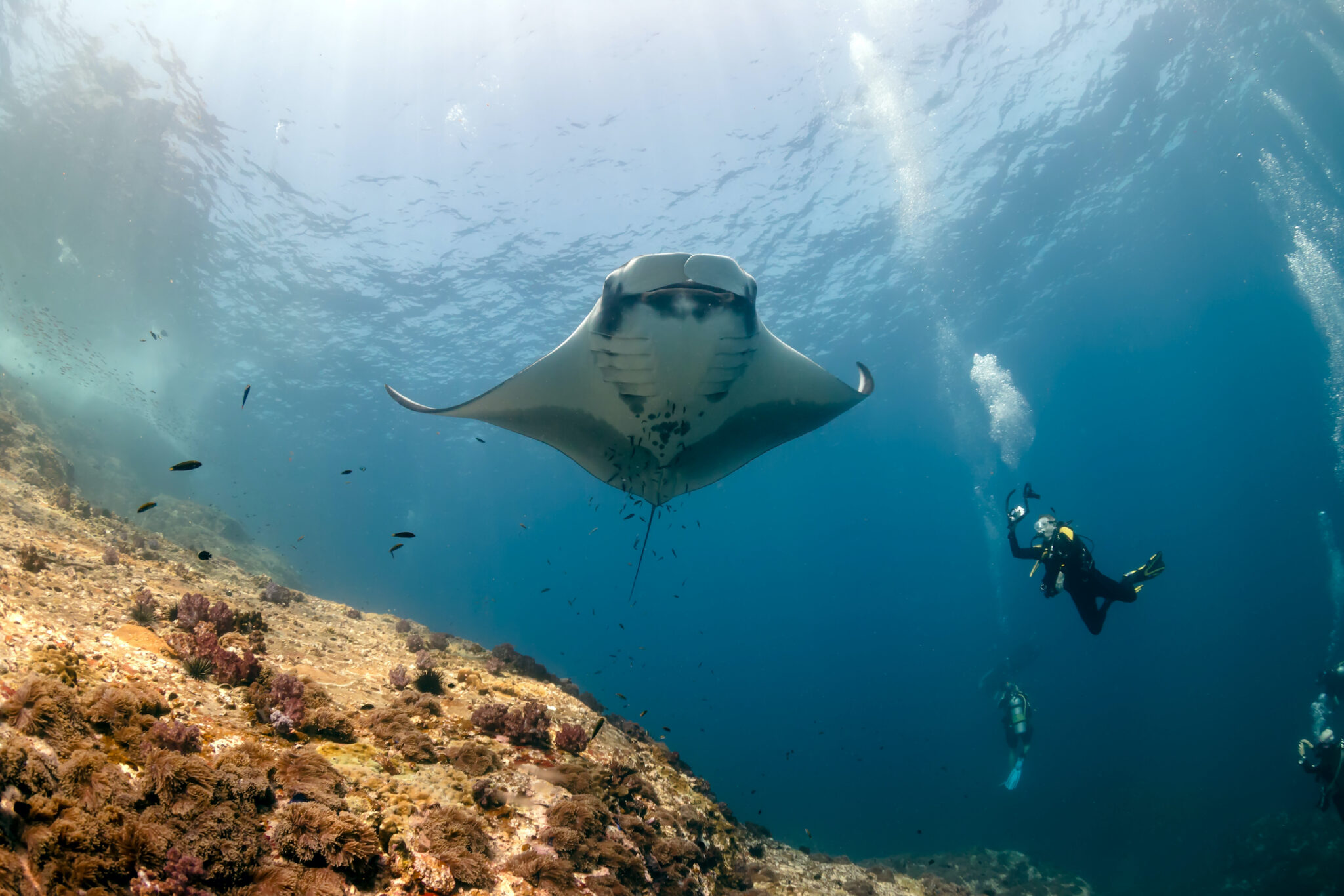
Manta rays are among the gentlest creatures in the ocean. They are harmless to humans, lacking both the venomous sting and aggressive behaviour commonly associated with some other ray species. Instead, they glide gracefully through the water, feeding almost exclusively on tiny plankton and small fish.

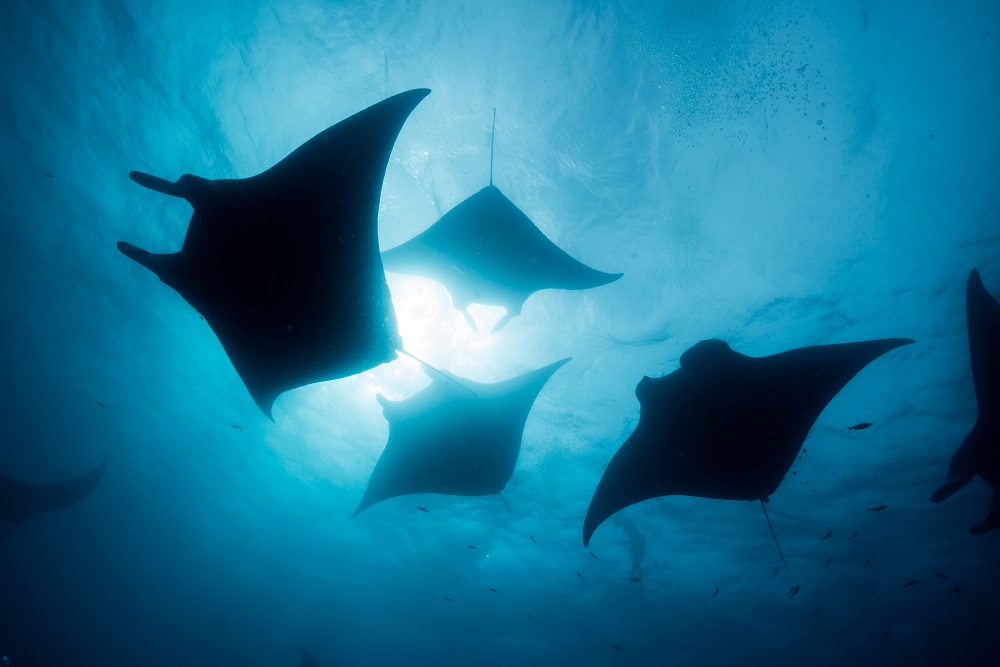
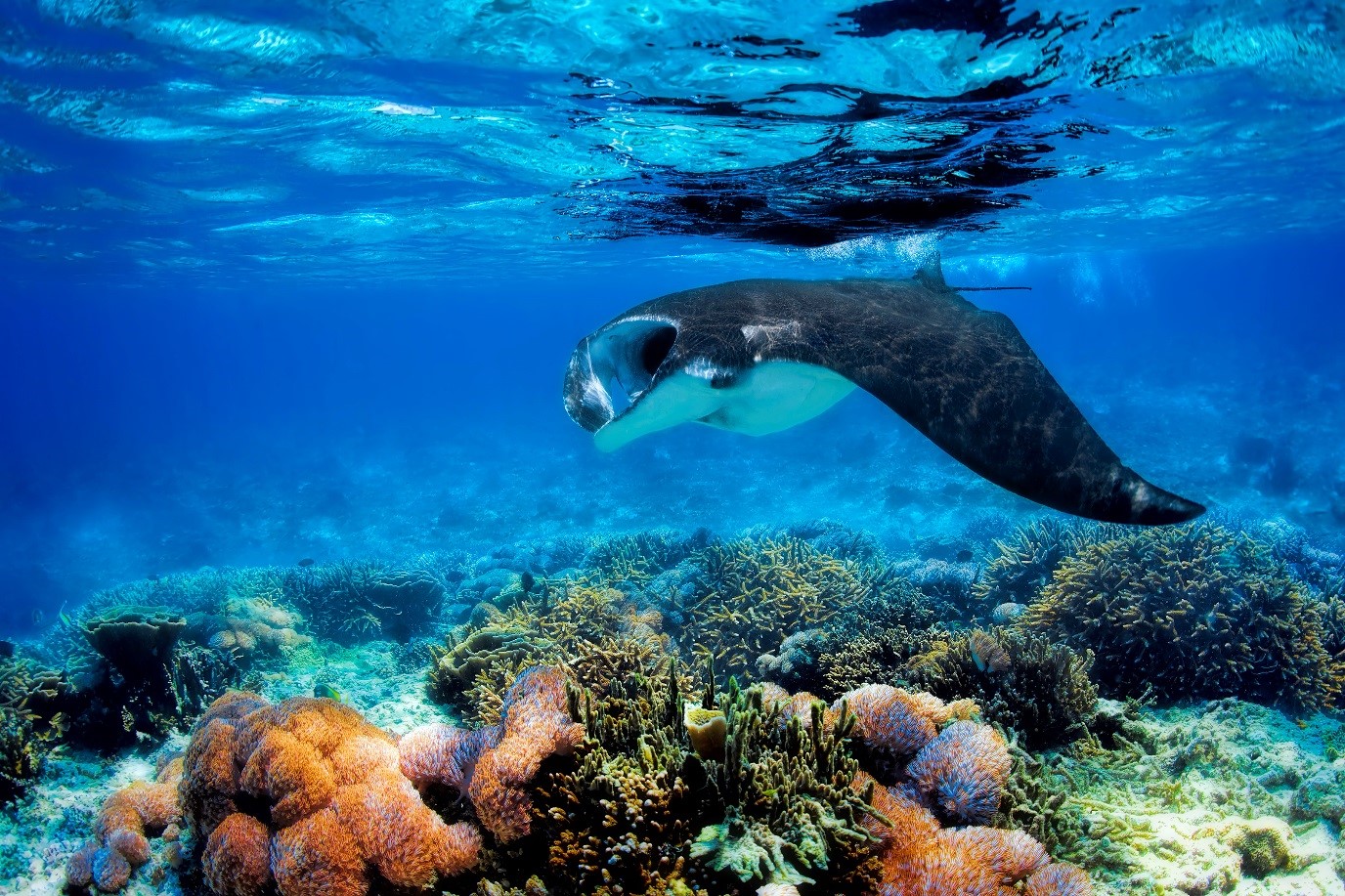
With wingspans reaching up to seven metres, manta rays are among the largest rays in the world. Their distinctive diamond-shaped bodies and wing-like pectoral fins allow them to move effortlessly through the sea. Highly intelligent and curious, they are known to interact peacefully with divers and are often considered one of the most captivating marine animals to encounter underwater.

Image Credits: blog.padi.com

Sri Lanka’s waters form part of the biologically rich northern Indian Ocean, making them an important habitat for both the oceanic manta ray (Mobula birostris) and the reef manta ray (Mobula alfredi). These highly migratory species travel vast distances in search of plankton-rich feeding grounds, cleaning stations where smaller fish remove parasites, and suitable breeding areas.

The country’s seasonal monsoons play a crucial role in attracting these gentle giants. Ocean currents generated by the monsoon bring nutrient rich waters to the surface, triggering plankton blooms that provide an abundant food source for manta rays. As a result, sightings are regularly reported around Mirissa, Trincomalee, Kalpitiya, and other offshore locations, particularly during favourable seasons. Lucky divers and whale watchers may even witness manta rays leaping spectacularly from the water or feeding in groups near the surface.

Despite these regular sightings, surprisingly little is known about manta ray populations in Sri Lankan waters. While whales have been the focus of extensive research and monitoring, manta rays remain relatively understudied. Scientists believe Sri Lanka may serve as an important migration corridor connecting manta populations across the Indian Ocean, but further research is needed to confirm these movements through satellite tracking, photo-identification, and genetic studies.

Image Credits: blog.padi.com

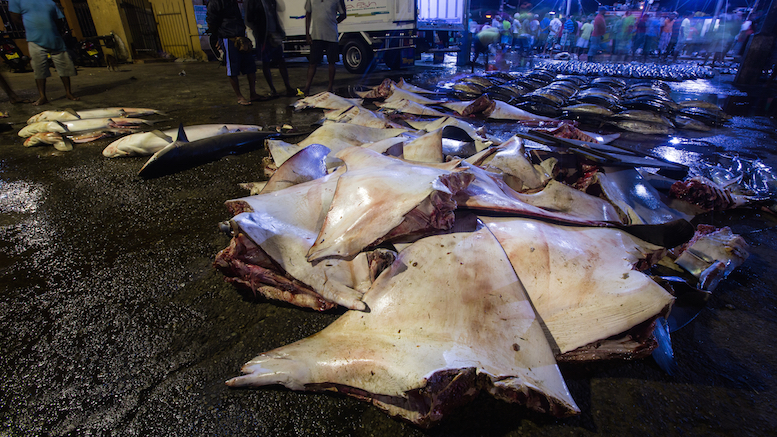
Understanding these migration routes is vital for conservation. Manta rays face growing threats from accidental capture in fishing gear, collisions with vessels, plastic pollution, and the degradation of coastal habitats. Their slow growth, late maturity, and low reproductive rate mean populations recover very slowly once they decline, making them particularly vulnerable to human activities.

Protecting important feeding grounds and migration routes could help safeguard these remarkable animals. Strengthening marine protected areas, promoting responsible fishing practices, supporting scientific research, and raising public awareness are all essential steps towards ensuring their survival.

As an island nation surrounded by one of the world’s richest marine ecosystems, Sri Lanka has both an opportunity and a responsibility to protect species like the manta ray. By improving research and conservation efforts, the country can play a significant role in safeguarding these gentle ocean giants while preserving the health and biodiversity of the Indian Ocean for generations to come.
Feature Image Credits: blog.padi.com

Image Credits: www.uw360.asia

Leave a Reply