By: Aathirai Elankovan
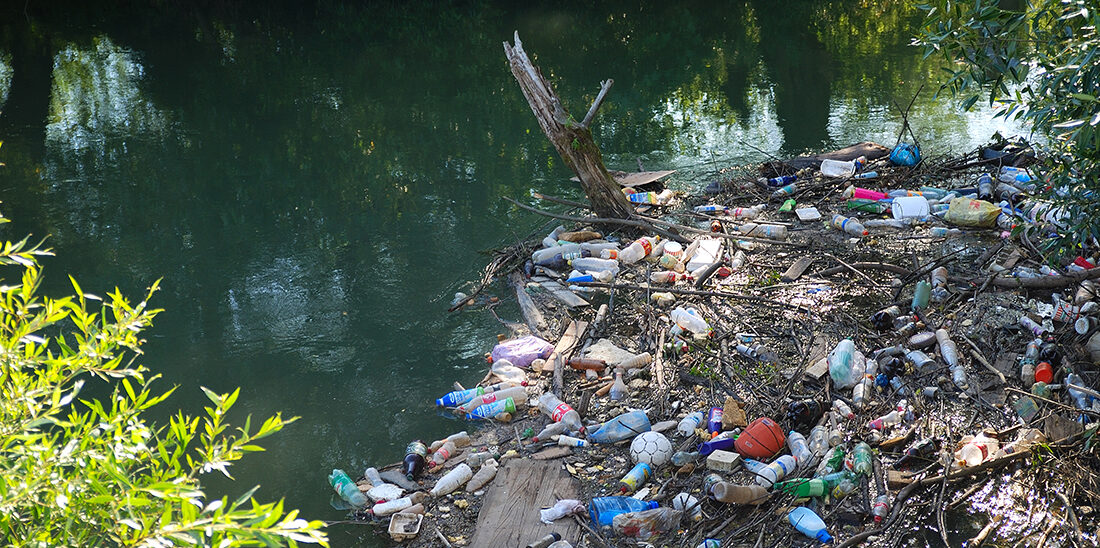
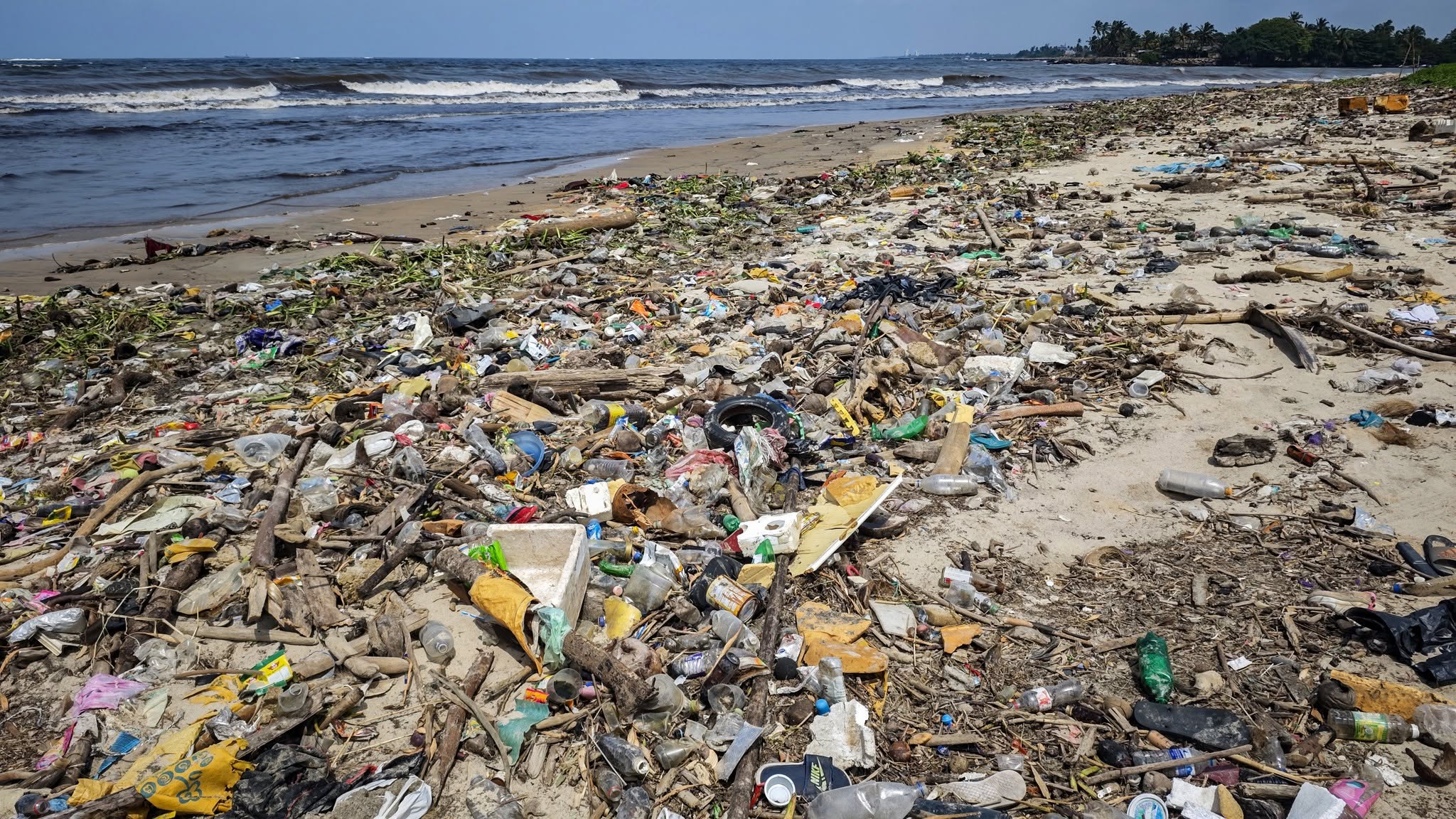
Marine pollution has always been perceived by the general public as an issue that begins at the sea, and we see this as a result of coastal dumping, oil spills and shipping waste. While community groups and non-governmental organisations focused on coastal restoration continue to organise efforts such as beach clean ups and recycling workshops which have had a measurable impact, it is noteworthy that such efforts fail to target or address the main cause for such pollution. Studies have shown that only 10% of marine pollution is accounted for by activities at sea, whereas the remaining 90% originates on land and is carried by the vast network of rivers existing in Sri Lanka.
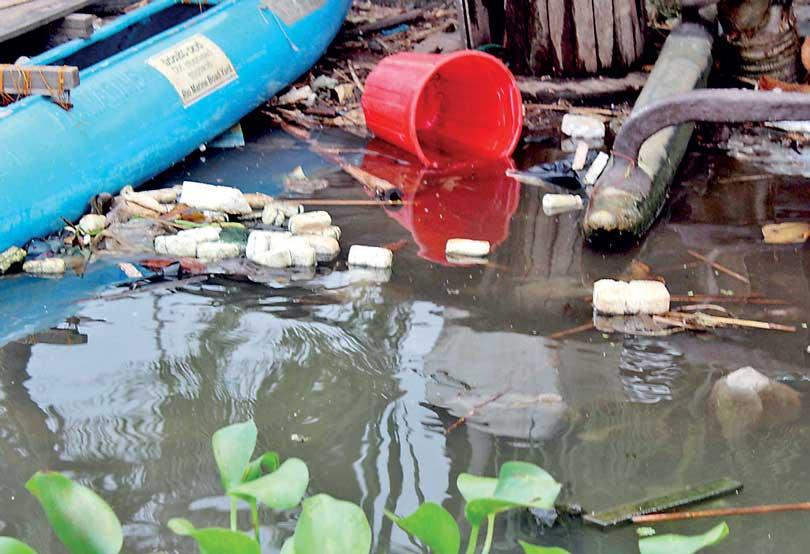
Historically Sri Lanka’s rivers have proven to sustain human agriculture, ecosystems, and shape our lifestyle while carrying cultural significance. But now they have also become major pathways for plastic pollution and waste. What begins as simple waste discarded miles off the coast, now often ends up in the Indian Ocean. The Kelani River, according to the CEA (Central Environmental Authority), is not only the second largest water shed but the most polluted river in Sri Lanka. A past survey indicates that Mattakuliya coastal area receives both liquid and solid waste primarily from the Kelani River estuary and the Mutwal sea outfall. Here the Kelani river acts as a prominent pathway by carrying nitrate rich agricultural runoff from upstream. In addition, Mutuwal sea outfall directly discharges wastewater to the coastal zone. Together these sources contribute to elevated nitrate concentrations in the coastal waters of Mattakuliya.
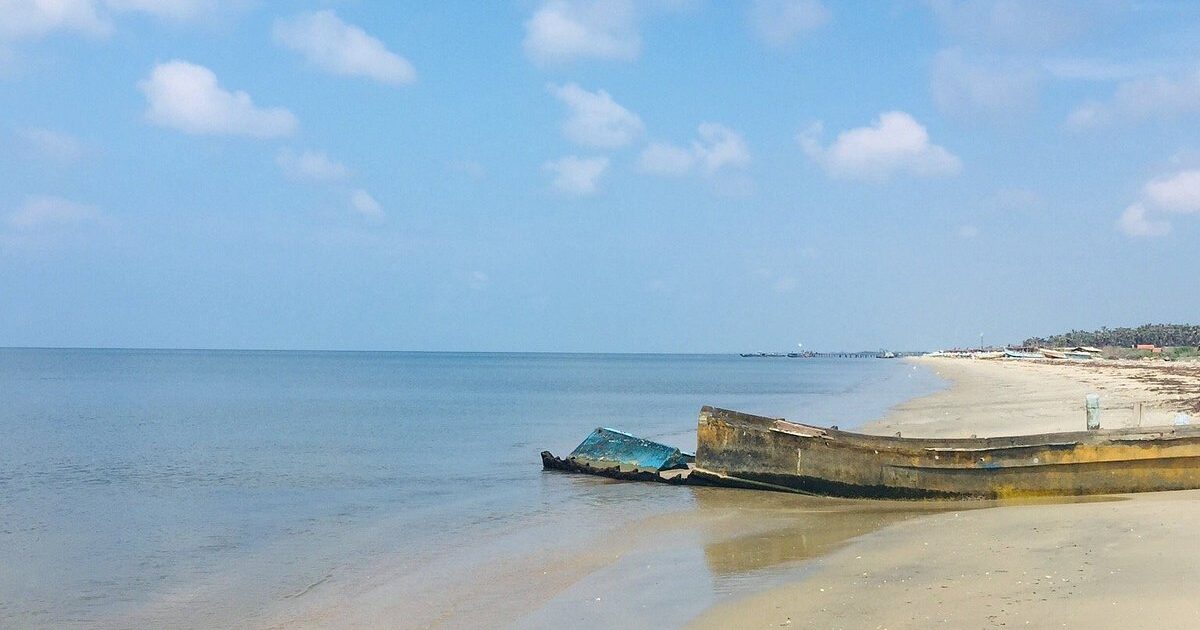
Another such example is Koddiyar Bay in Trincomalee, located on Sri Lanka’s eastern coast, which also faces increasing contamination due to the discharge from Mahaweli River, the country’s longest river. Waste generated in upstream catchment areas, particularly in the hill country including non-biodegradable materials such as polythene plastics and electronic waste is transported downstream through the river system. This eventually contributes towards the degradation of the marine environment in and around Koddiyar Bay.
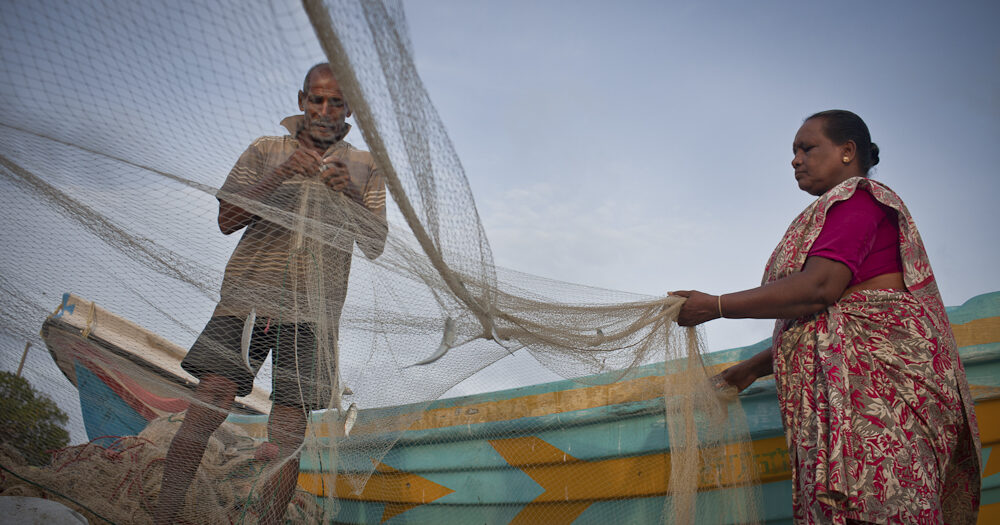
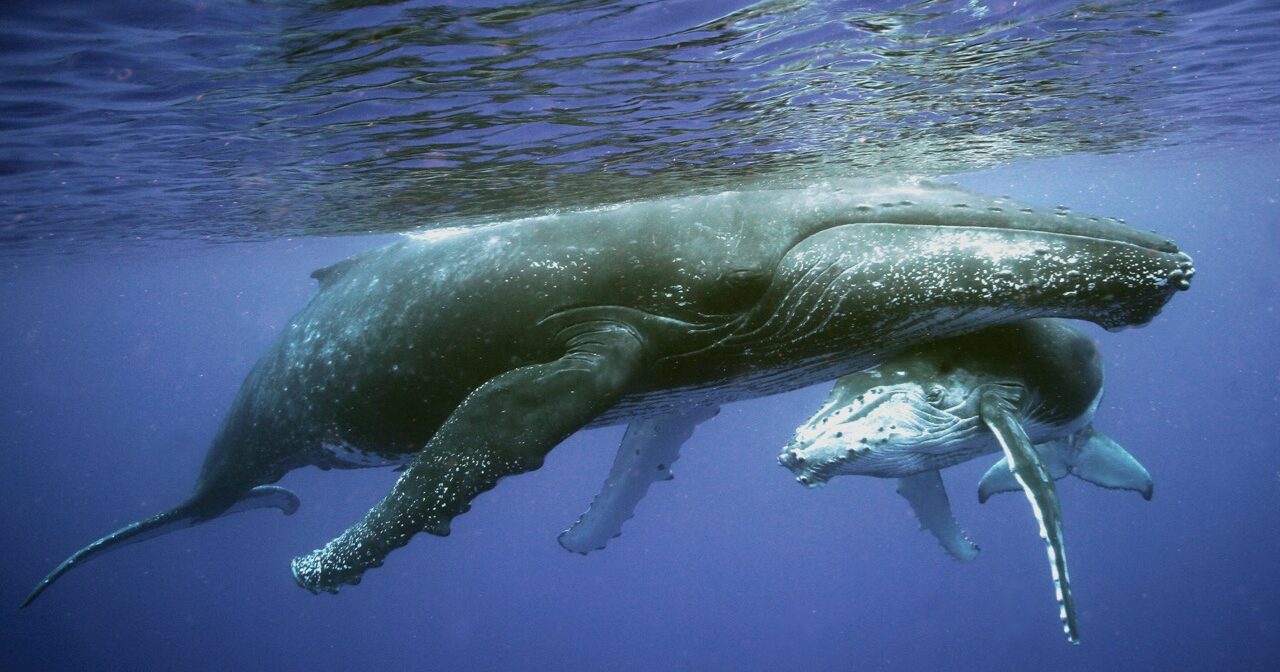
The bottom line is that both the environment and communities living on the coast must bear the cost. Impacts include algal blooms (eutrophication) in lagoons and waterways surrounding the coast, which is caused by the release of agro chemicals and other inorganic materials. Coral reefs and other aquatic life stress due to such changes, causing large population declines. Daily livelihoods of fishermen are affected, and coastal tourism activities face a decline, leading to economic challenges. These impacts are intensified by a changing climate and other risks like flood driven pollution.
As an island nation, Sri Lanka cannot afford to treat marine pollution as a problem that begins only at the shoreline. Our vast network of waterways and rivers move through our urban and suburban landscapes. By recognizing them as sources of the problem, we can potentially utilise them to be part of a solution.
Feature Image Credit: norwegianscitechnews