
When the Ocean Lost Its Lights: Climate Change and the Shrinking Photic Zone

By: Thusitha Bulathgama

Did you know that the ocean is a living organism?
In some places, it absorbs oxygen, while in others it releases it.

This natural process happens through a combination of biological and physical processes. One of the main drivers of this process is sunlight. Every day, sunlight enters the ocean surface and feeds microscopic plants that support entire marine ecosystems and help regulate Earth’s climate.

However, as climate change accelerates, this life-giving light is slowly fading. The ocean is not only warming up, but also growing darker as the sunlit photic zone continues to shrink under the pressure of a changing planet. 

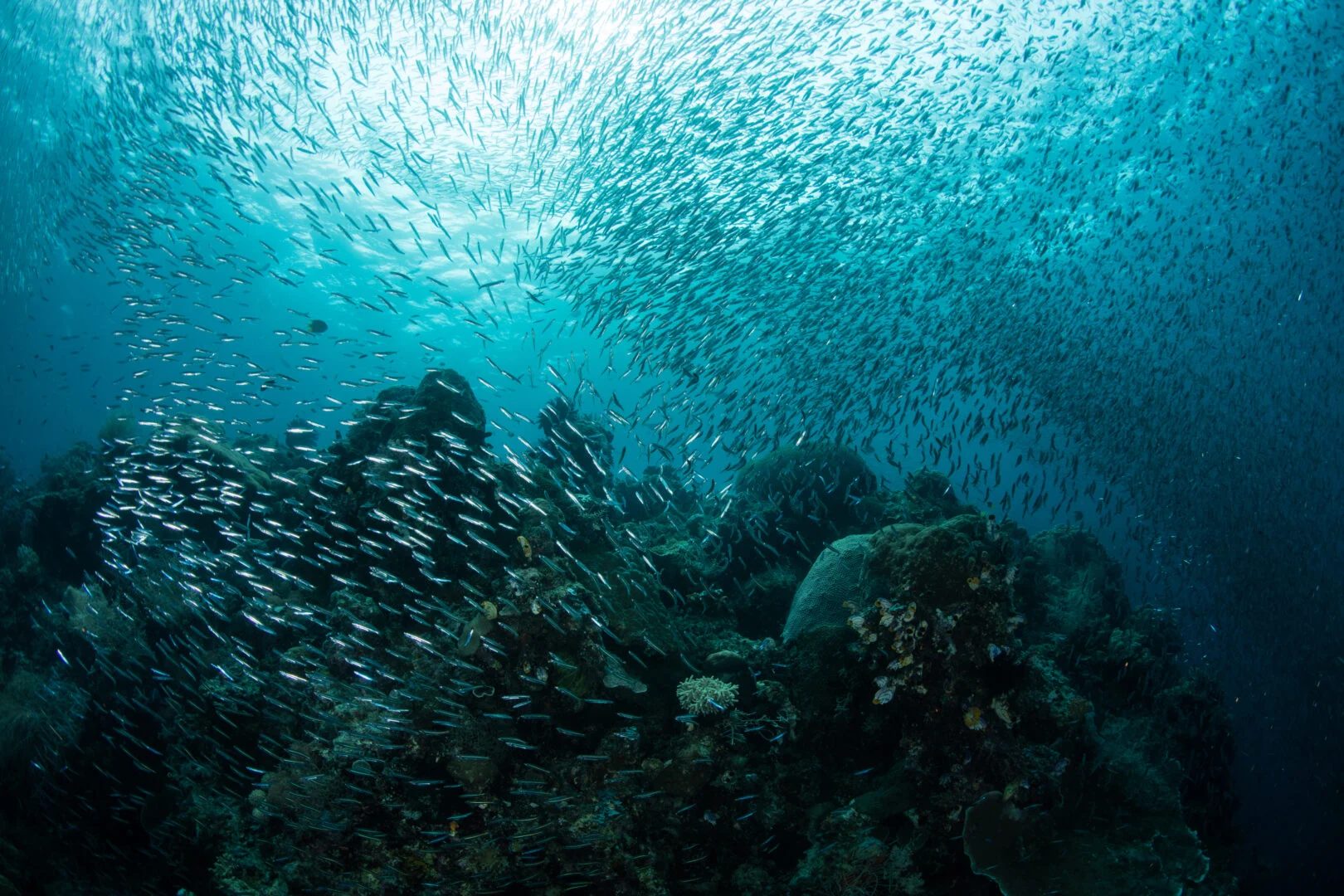
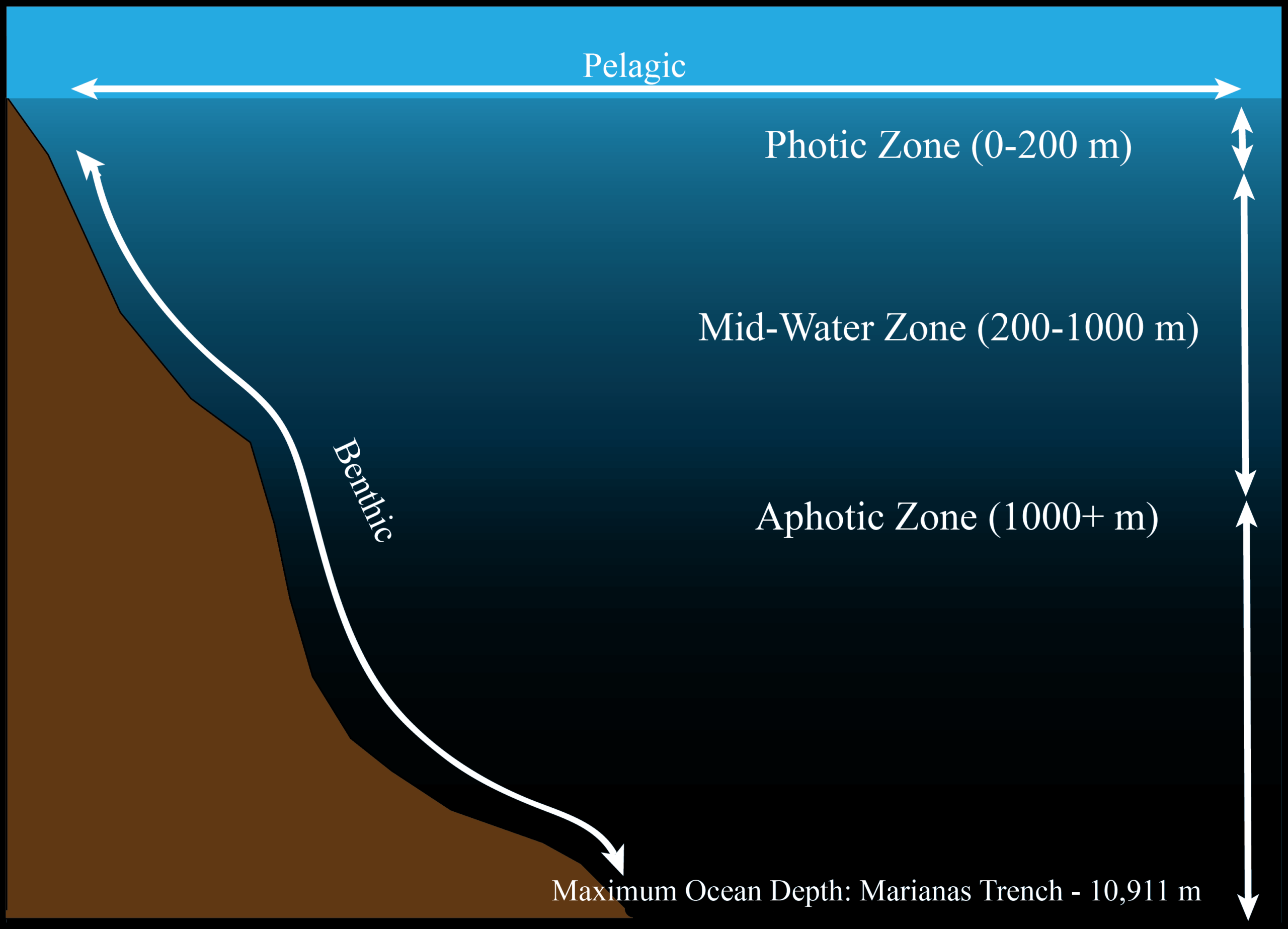
The “Photic Zone”, also known as the sunlight zone, is the uppermost layer of the ocean where sunlight penetrates deeply enough to support photosynthesis. In this zone, organisms such as phytoplankton and algae use sunlight to produce energy. This zone usually extends from the surface to about 200 meters, although its depth varies depending on the clarity of the water.

Image Credits: d6d68e68be.cbaul-cdnwnd

Why this zone matters is because it affects the base of the ocean life itself. Most of all marine organisms are fed by phytoplankton, which are microscopic plants that are aided in growing by sunlight. Fishing communities may suffer if there is less light because fish and other marine life will have less food. A darker ocean can also worsen climate change. Phytoplankton play a key role in producing oxygen and absorbing carbon dioxide. When sunlight becomes limited, these processes weaken. Over time, reduced light can change which species survive and make ocean ecosystems less stable. 

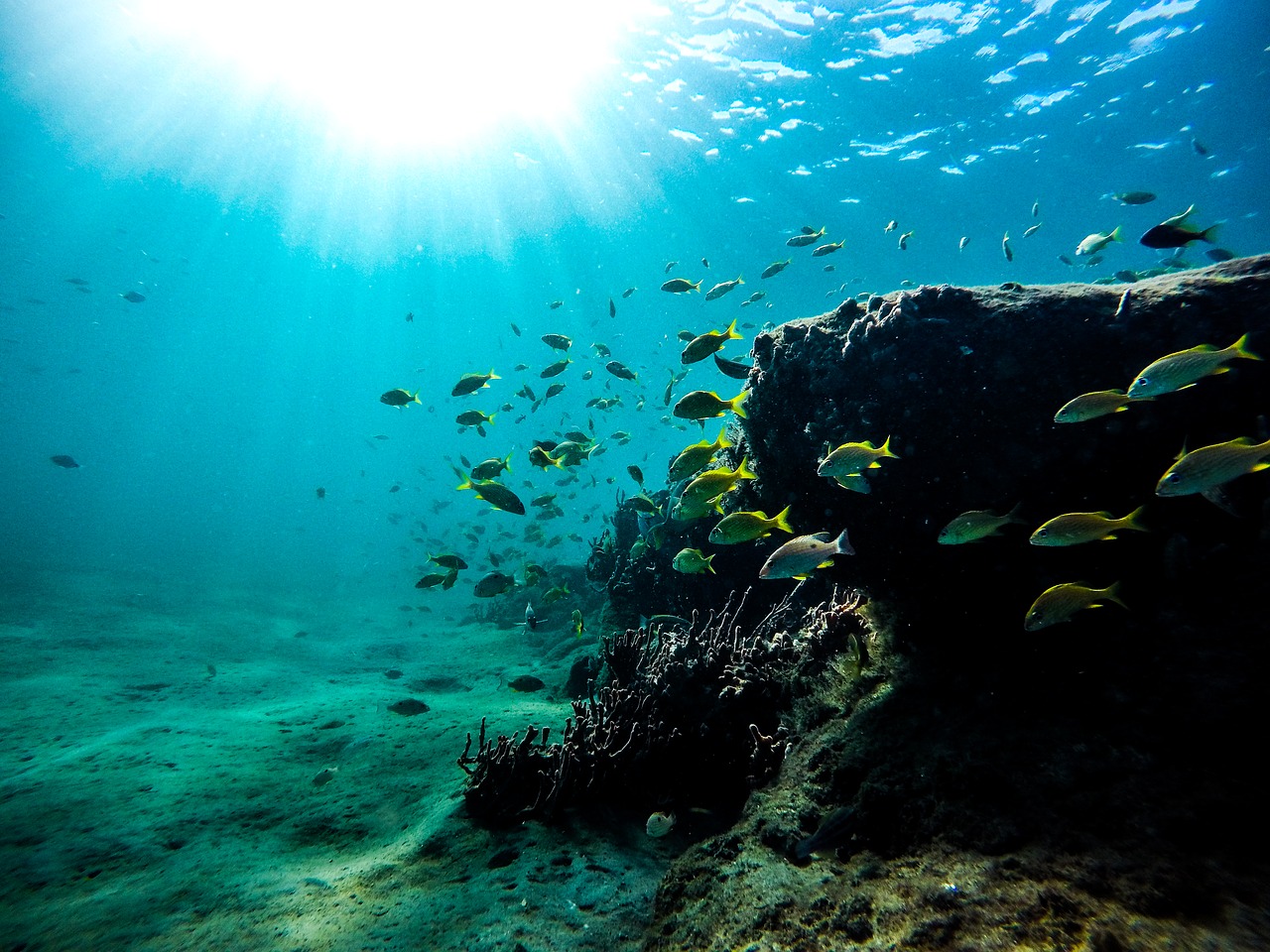
According to a recent study conducted by the University of Plymouth, it highlighted that between 2003 and 2022, around 21% of the global ocean became darker. Although the reasons for ocean darkening vary by region, consider the facts behind it: agricultural runoff, urban development and heavy rainfall allow mud and other fertilizer to enter the ocean, becoming key facts. This leads to algal blooms that block sunlight in the open ocean and climate change affects plankton populations, water temperature and nutrient availability, increasing water cloudiness and reducing light penetration. Furthermore, major changes in ocean darkening have been observed in the Arctic, Antarctic, and other regions influenced by the Gulf Stream. 

Image Credits: Study.com

As the photic zone shrinks, marine life is forced into shallower waters, increasing competition for resources and disrupting ecosystems. These changes affect not only marine life but also humans. A weakened ocean food web threatens global fisheries and food security, while reduced biological activity may limit the ocean’s ability to absorb carbon dioxide. 

The ocean is more delicate and active than we often realize. Ocean darkening is more than a scientific finding; it is a clear warning that Earth’s systems are under stress. Protecting the photic zone requires better land and ocean management, reduced pollution, and strong climate action.

Now is the time to pay closer attention, not only to protect marine life but to secure a livable future for humanity.

Feature Image Credits: shutterstock

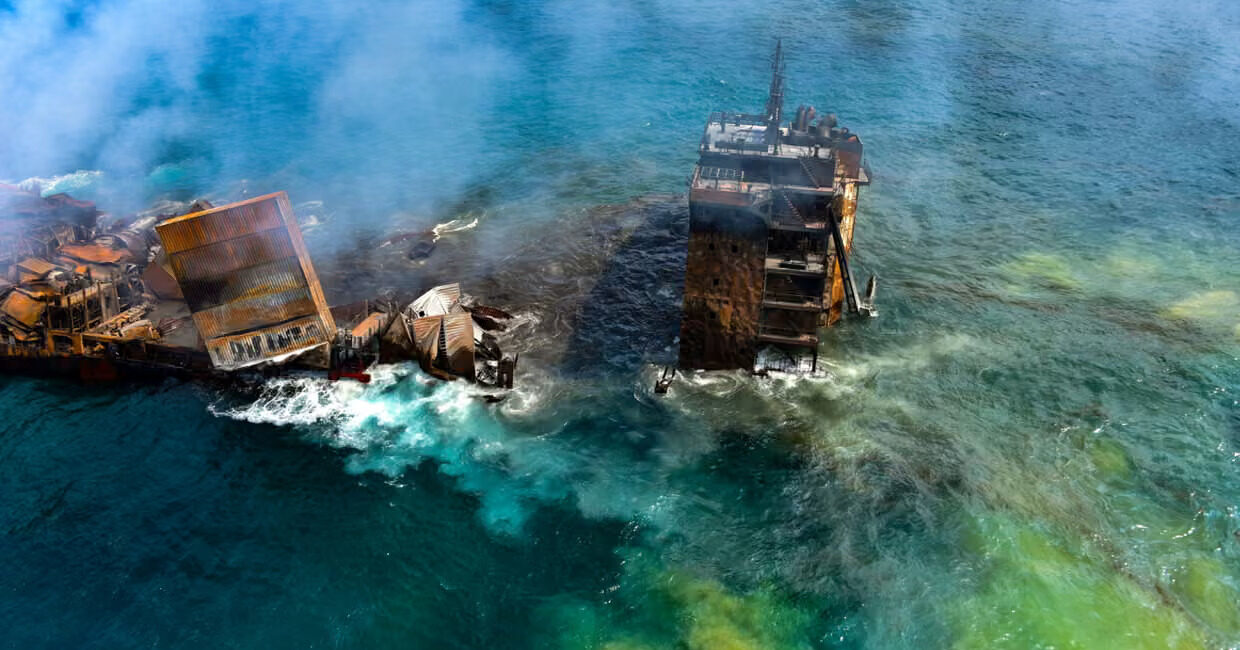
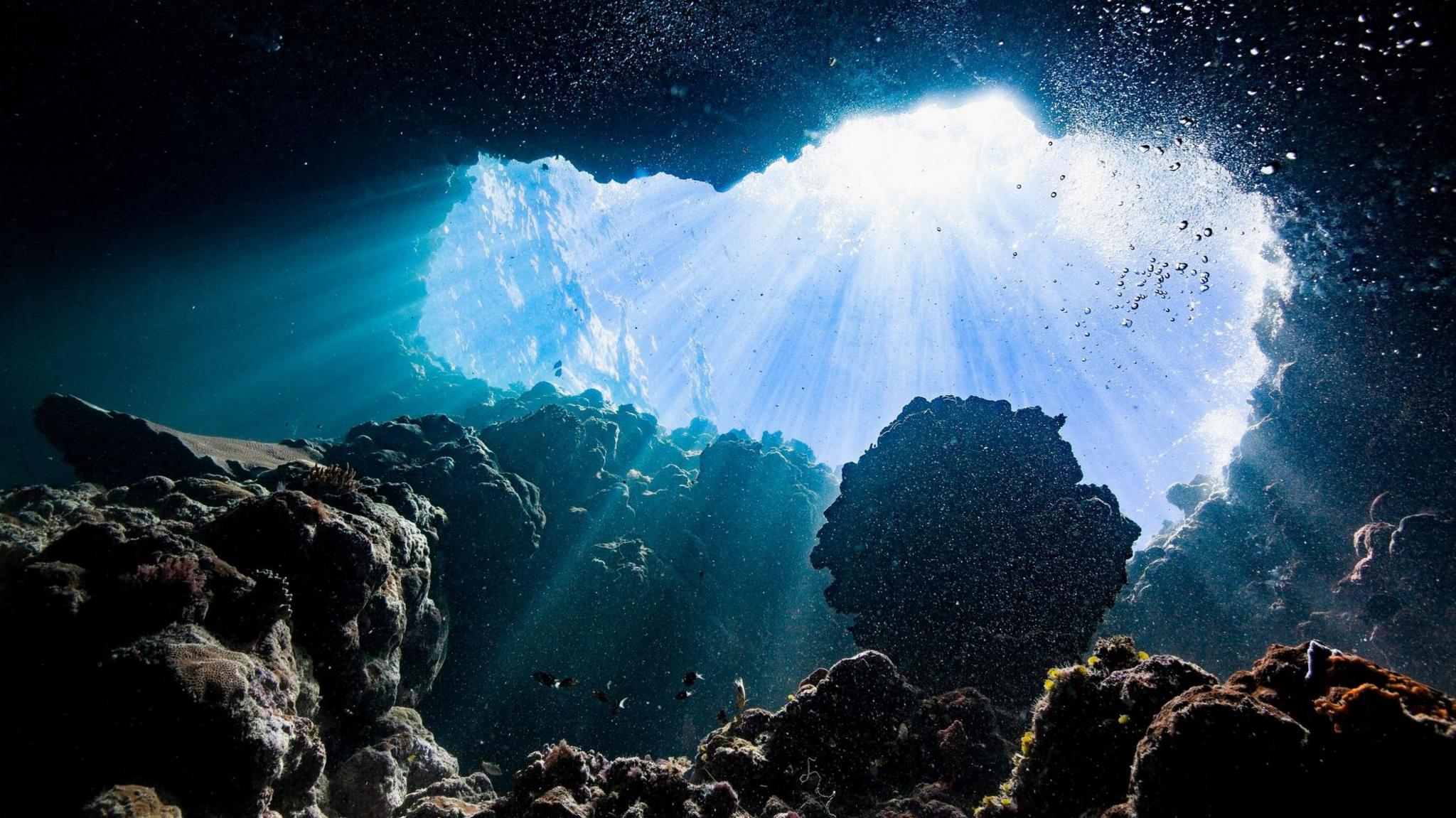
Image Credits: ichef.bbci

Leave a Reply