A Season of Giving, Not Polluting: Rethinking Christmas in Sri Lanka

By: Madhushi Gana

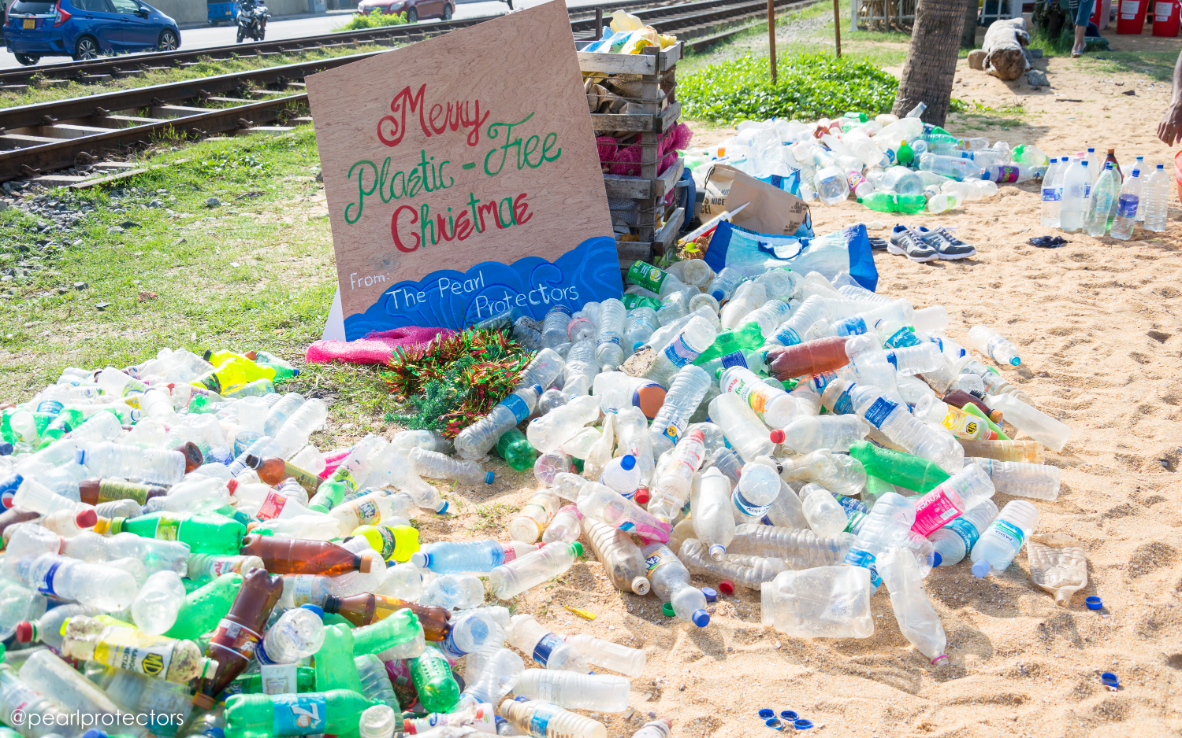
As a girl who loves nature, I’ve always found joy in observing even the tiniest wonders around me – a ripple in a stream, a bird’s call, or the quiet beauty of a misty morning. But my recent visit to Kandy, a place where nature and culture meet so gracefully, now leaves a silent ache in me. Plastic bottles and tangled nets now cling to walls and waterways. It makes me wonder: ‘Is this the price our environment pays for our convenience? As Christmas approaches, the streets sparkle with lights and festive cheer, yet behind this joyful celebration, a concern grows: a rising tide of waste, as highlighted by the Ditwah report.

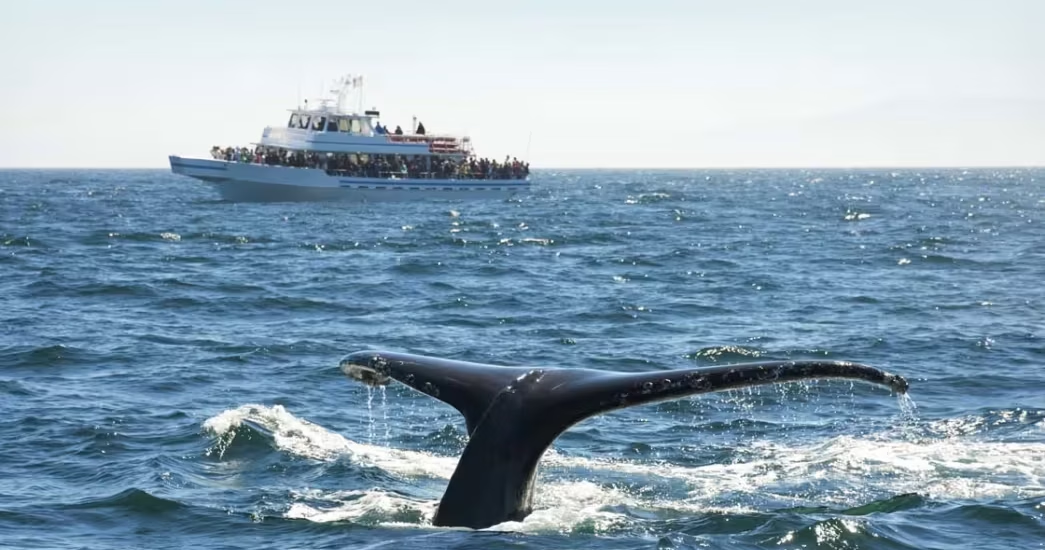
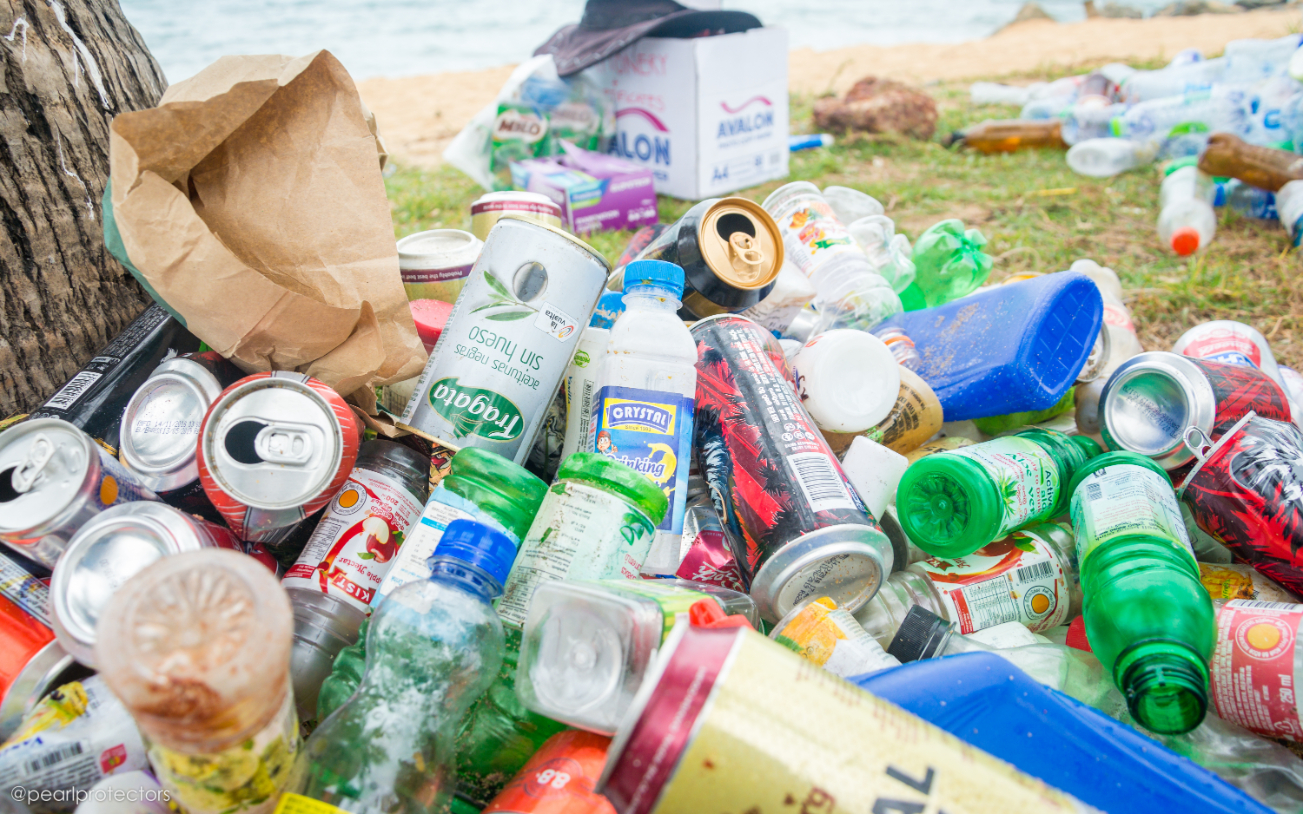
Festive celebrations bring joy and, if left unchecked, a subtle surge of waste. I notice rivers near festive markets lined with single-use items. Though families may celebrate joyfully, much of this waste eventually reaches our oceans, where it can harm marine life. As human beings, if we pause and imagine the ocean from the perspective of all of its voiceless marine animals, it becomes clear how much their lives and the health of their habitat rely on our actions.

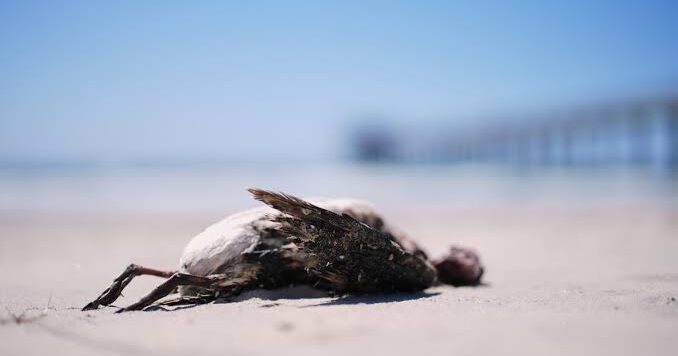
These creatures, turtles gliding gracefully, fish darting through coral reefs, are perfectly adapted to their environment. While in their own habitat, they are also trapped within nets; they consume plastics for food, and the chemicals in our waters disrupt the delicate balance of the coral reefs. They know nothing of human waste, and yet their innocence leaves them especially vulnerable to the decisions we make on land.

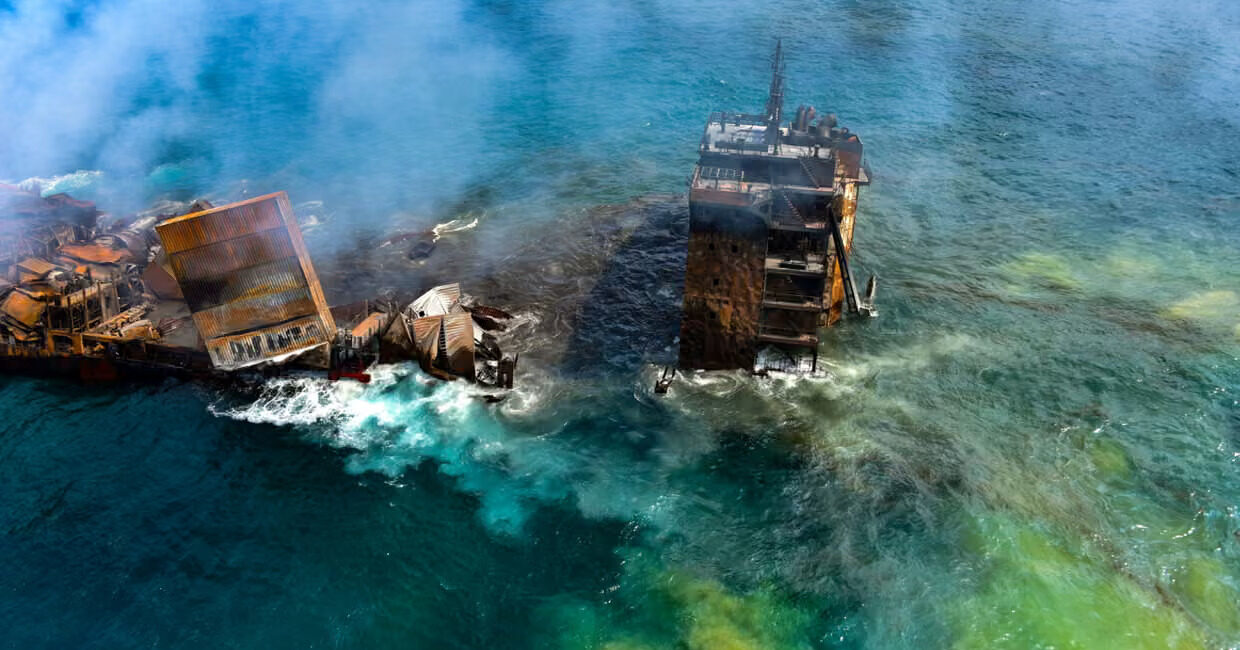
It is quite evidentially true that when human-made waste reaches the ocean, it doesn’t just sit there; it drastically alters the ocean’s precious ecosystem. This further disrupts the chain reaction of unkind acts of pollution from plastic debris, chemical runoff, oil spills, and microplastics that seep deep into the oceans. This strongly aligns with the recent Ditwah report, which indicates that there is an increasing amount of seasonal waste that is now spreading faster than ever. The ocean crisis hits harder than we realize, and it is not just marine life that suffers, but also the people who depend on the sea, especially coastal communities in Sri Lanka. They increasingly face dwindling fish stocks, damaged coral reefs, and polluted beaches that threaten their livelihoods. ’Protecting the Oceans is no longer optional, it is a responsibility we cannot ignore’.

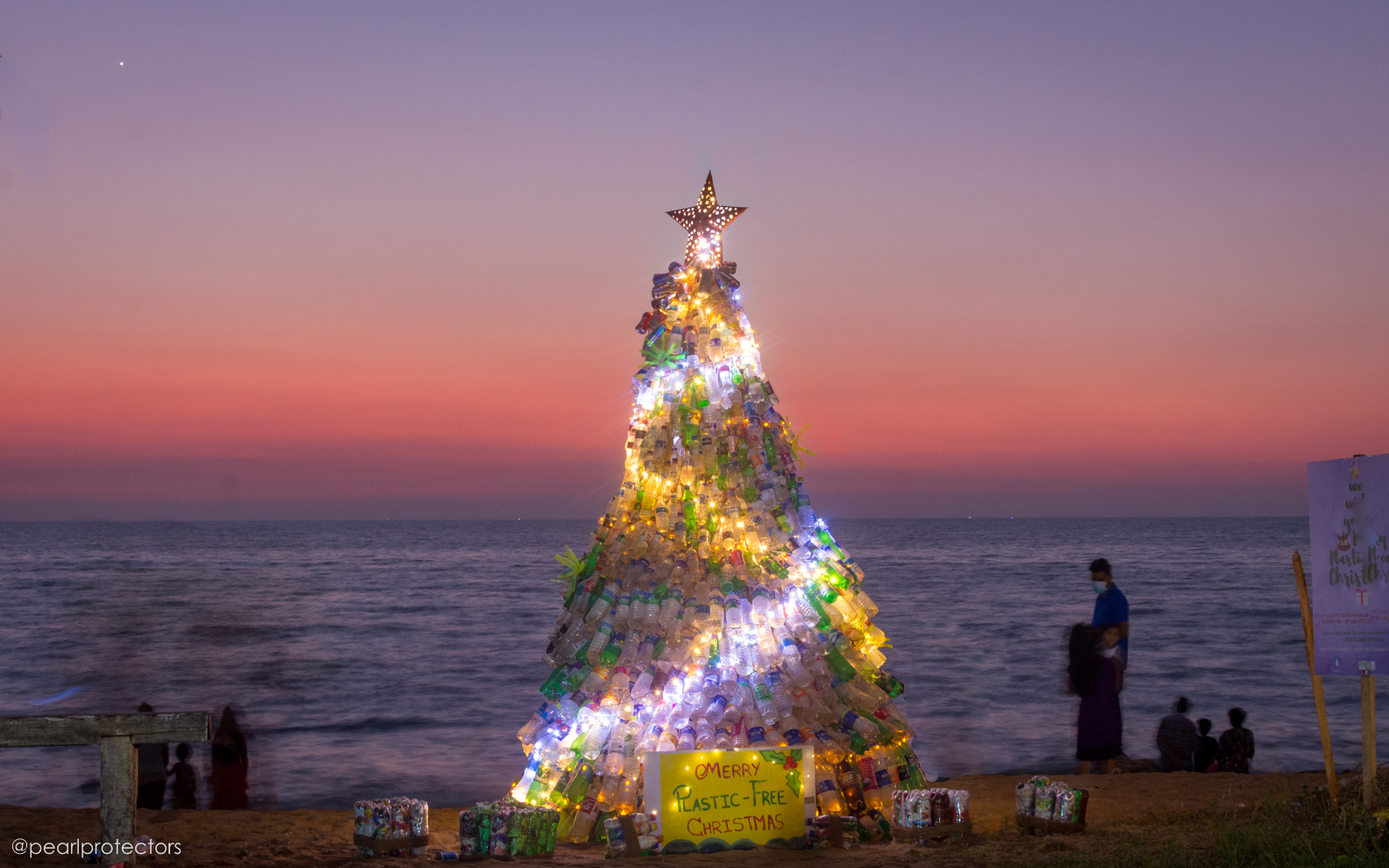
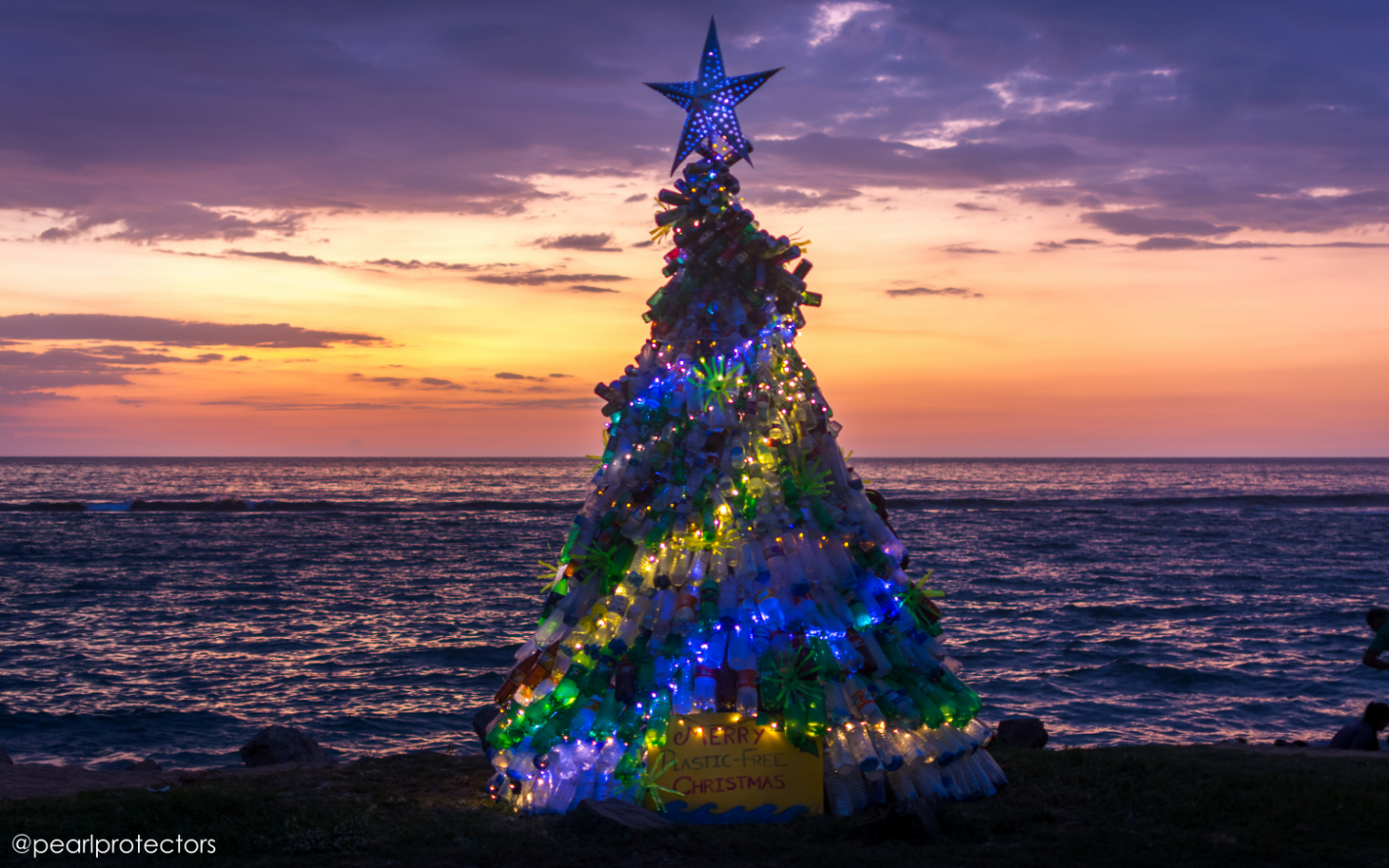
While the ocean bears the brunt of our festive waste, the good news is that each of us can make a difference where the festive season offers us an opportunity. So this Christmas, we can turn the tide by rethinking our celebrations and making choices that also protect our oceans and environment. Sharing drinks and snacks with your friends during Christmas is part of the festive fun, but if using reusable bottles and cups for your parties is an included factor, that helps make it eco-friendly too. Every small swap helps keep plastic out of our rivers and oceans, protecting our marine life. Not only this, but also if decorating your house is a joyful tradition, if it’s possible to start using recycled or natural materials, this will make it both creative and sustainable. Paper ornaments, dried leaves, coconut shells, or cinnamon sticks add charm without harming the environment. ’The best gifts are not the things but memories’, choosing reusable or second-hand gifts allows us to celebrate meaningfully without adding festive waste, helping lead to better sustainability measures. 

True change begins when an individual’s choice turns into collective action. Whether it is choosing reusable items, reducing festive waste, or joining a simple common cleanup, every effort counts. The oceans may not have a voice, but through mindful celebrations and shared response, we can speak for them. So this festive season, let our joy extend beyond celebrations and become a lasting gift for our oceans and for generations to come.

Image Credits: The Pearl Protectors

Leave a Reply