By Moira Alfred
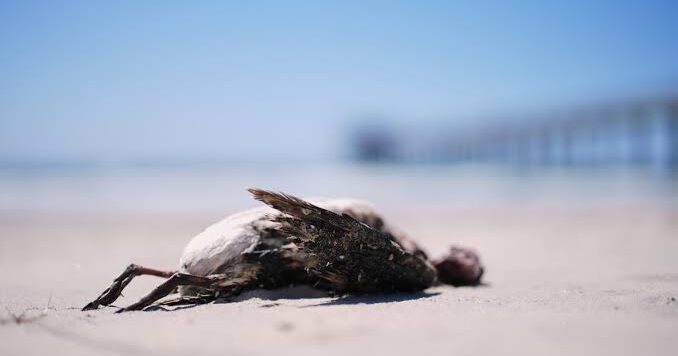
Nestled in the Indian Ocean, Sri Lanka’s stunning coastline faces severe marine pollution threats. The densely populated southern and western regions (home to 40% of the population) are particularly vulnerable due to urbanization, tourism, and industrial activities. Rising contamination levels endanger marine biodiversity, human health, and economic stability, demanding urgent, sustainable management.
Sources and Challenges of Marine Pollution
Industrial and Domestic Waste
Over 60% of Sri Lanka’s industries operate along the coast, often discharging untreated effluents. Heavy metals, petrochemicals, and Persistent Organic Pollutants (POPs) have significantly increased toxicity in coastal waters.
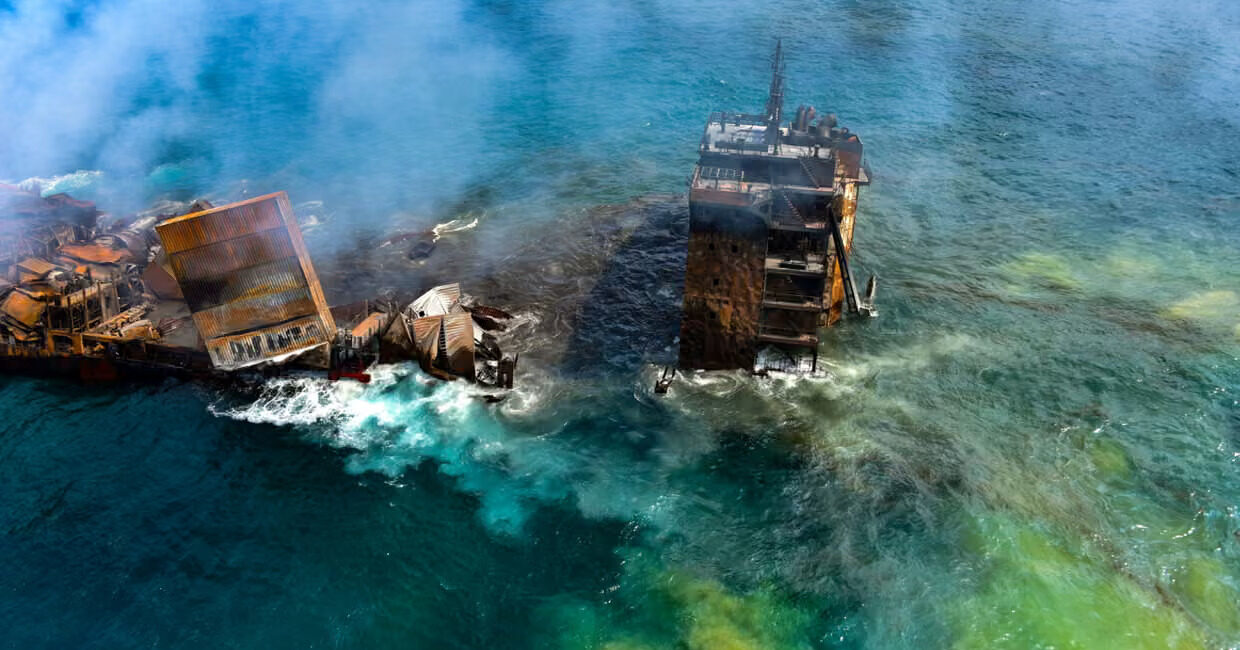
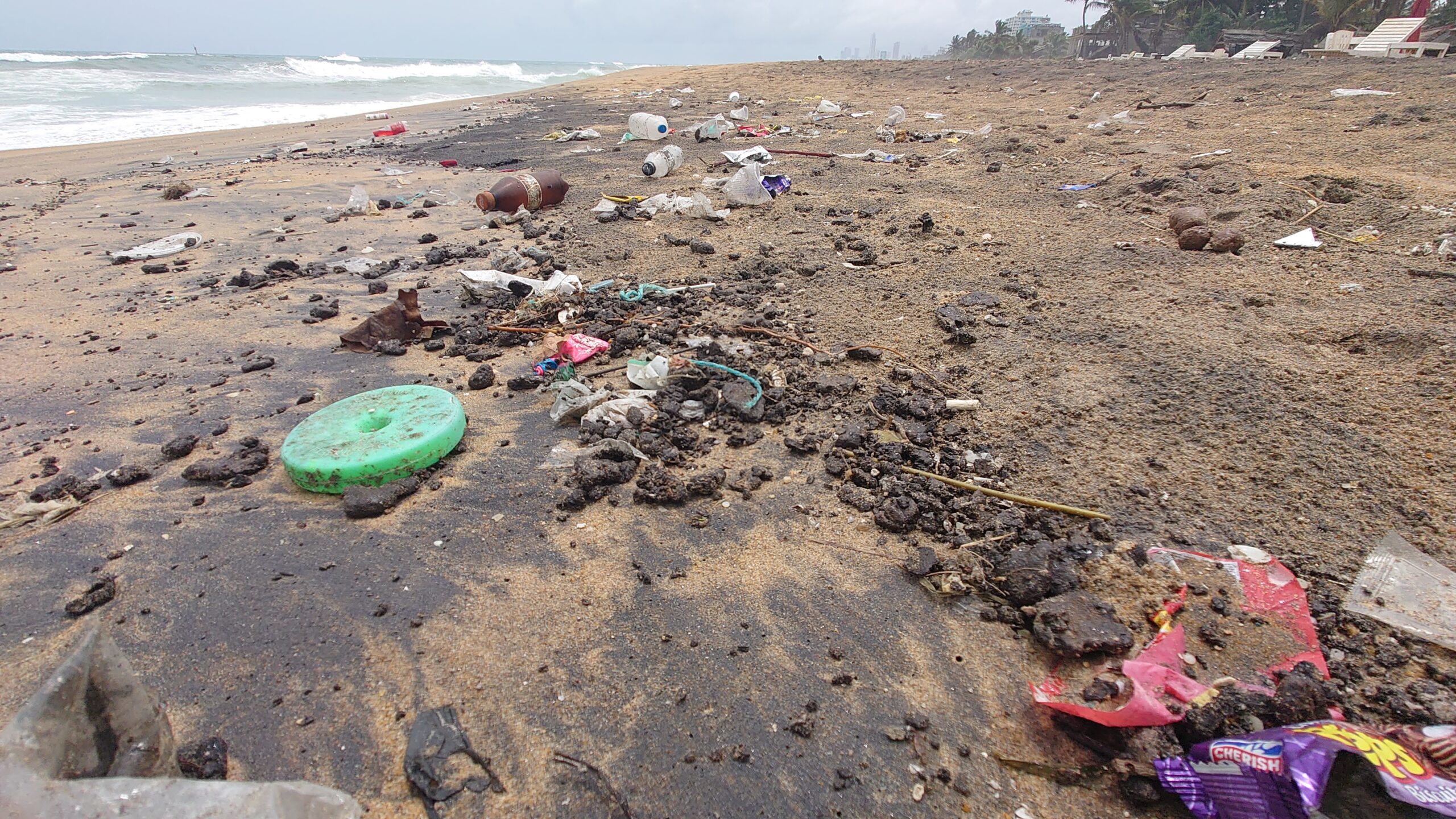
Oil and Chemical Spills
Harbors like Dikkowita and Galle show alarming concentrations of Tributyltin (TBT), a toxic component in antifouling paints linked to reproductive disorders in marine life.
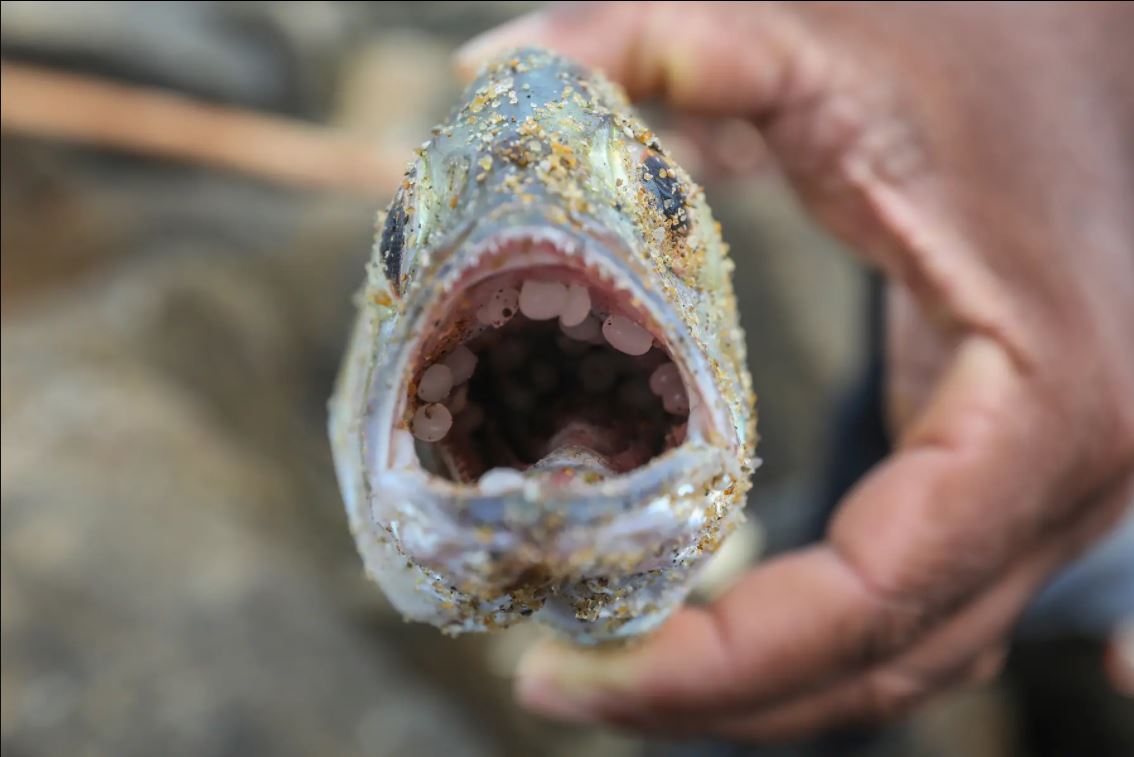
Plastic Pollution
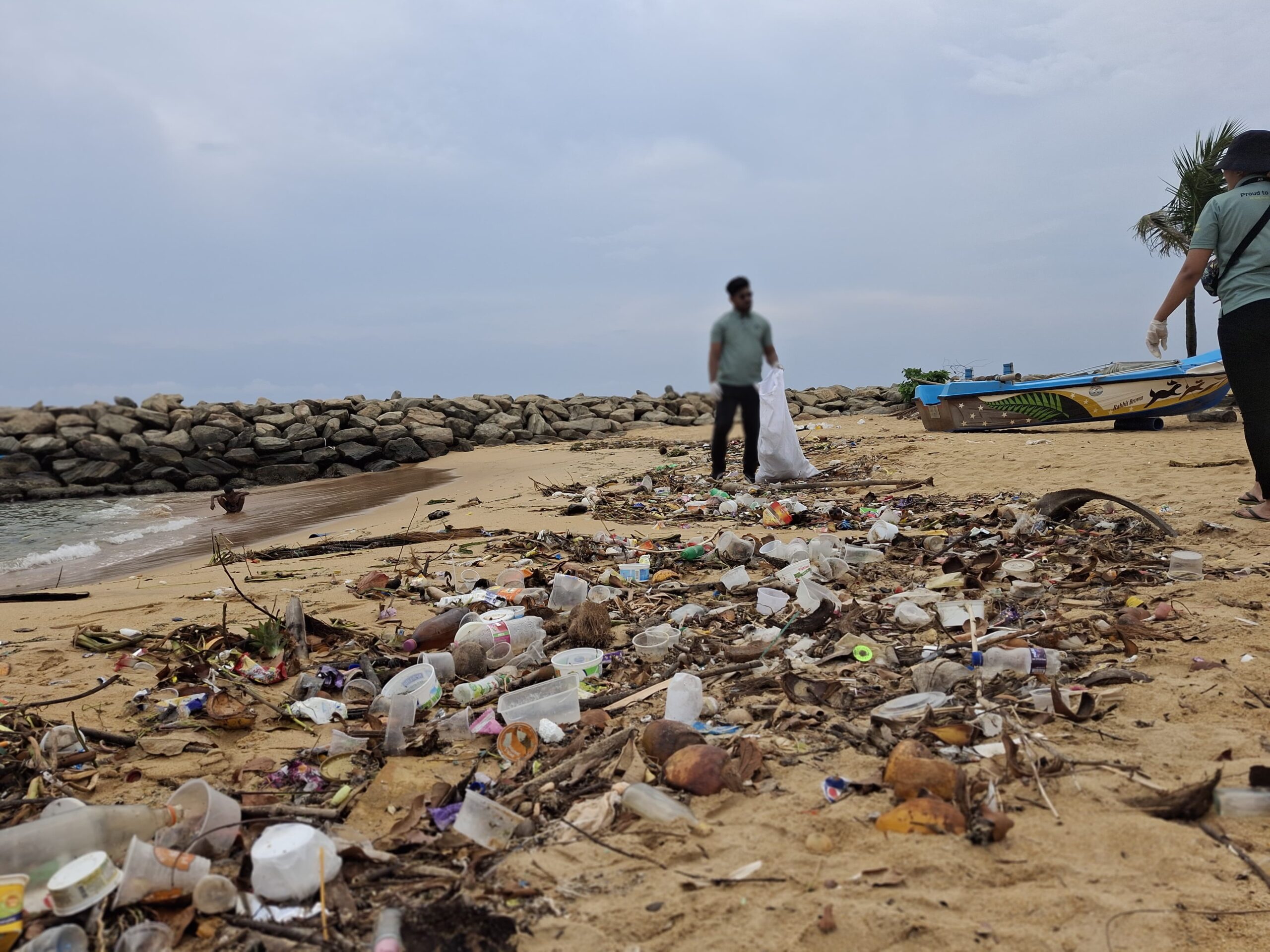
Sri Lanka struggles with marine plastic waste management, with massive accumulations along its shores.
Eutrophication and Algal Blooms
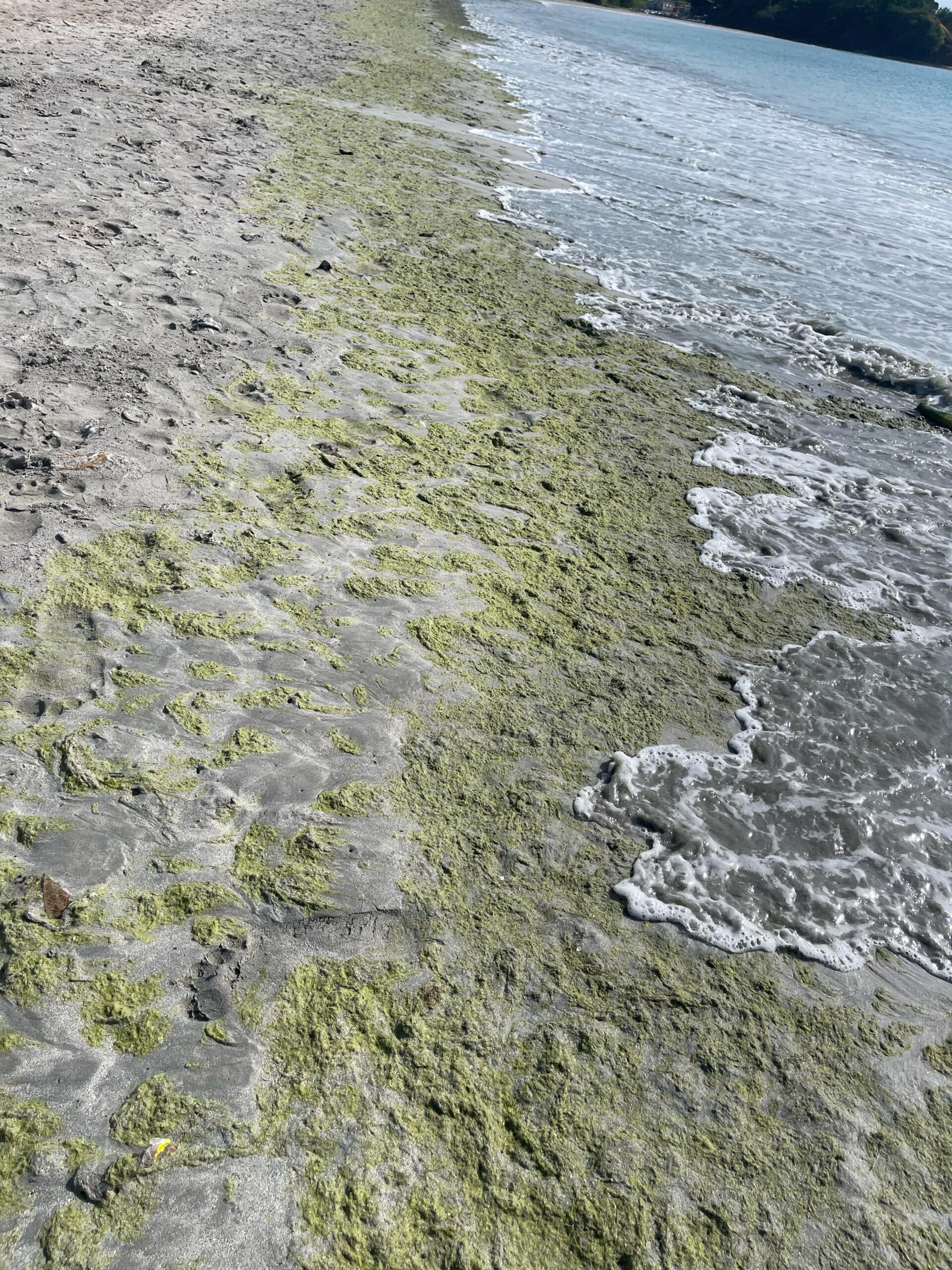
Excessive nitrogen and phosphorus from agricultural runoff and sewage trigger eutrophication, causing harmful algal blooms that deplete oxygen and disrupt marine food chains.
To address Sri Lanka’s marine pollution crisis, a multifaceted approach is essential. Existing regulatory frameworks like Environmental Impact Assessments and Environmental Protection Licenses require stronger enforcement and monitoring mechanisms to achieve meaningful impact. Simultaneously, the adoption of eco-friendly tourism practices combined with sustainable fishing methods and the strategic expansion of Marine Protected Areas could help reconcile ecological preservation with economic needs. Lasting solutions will depend on engaging coastal communities through education and participatory conservation programs, fostering behavioral change across all stakeholders, from local residents to industrial operators and policymakers. While the challenges are significant, Sri Lanka possesses the tools to reverse current trends through rigorous implementation of environmental laws, innovative waste management systems, and collaborative governance that bridges government, private sector, and civil society. The future of the island’s marine ecosystems, and by extension, its environmental health and economic prosperity, hinges on taking decisive, coordinated action today.