By Akarsha Kumarihamy
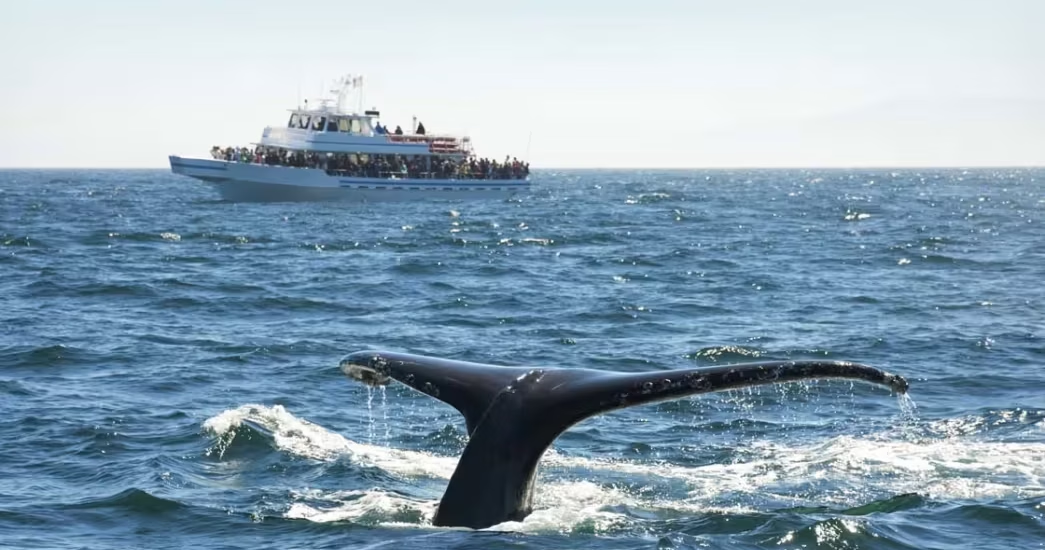
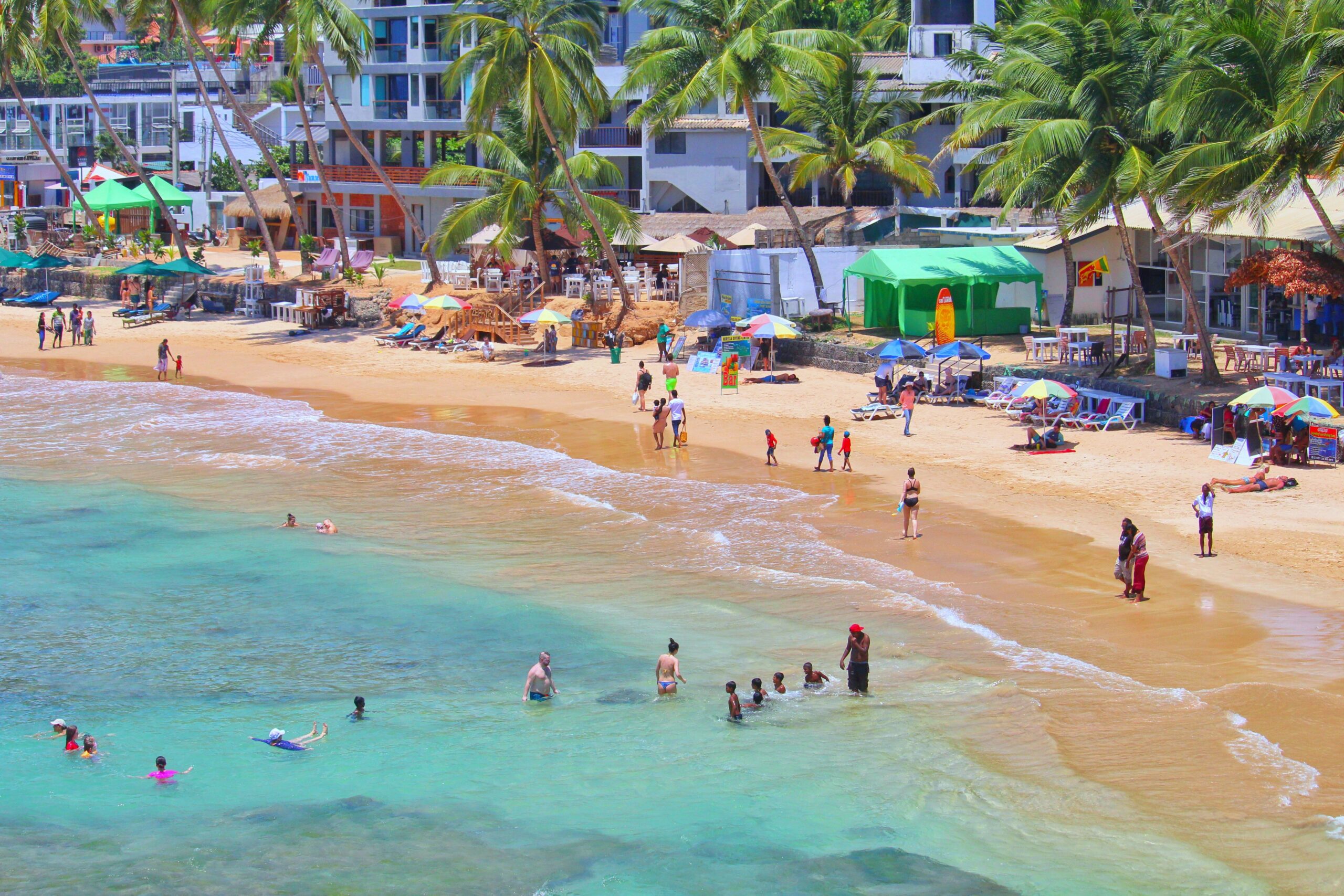
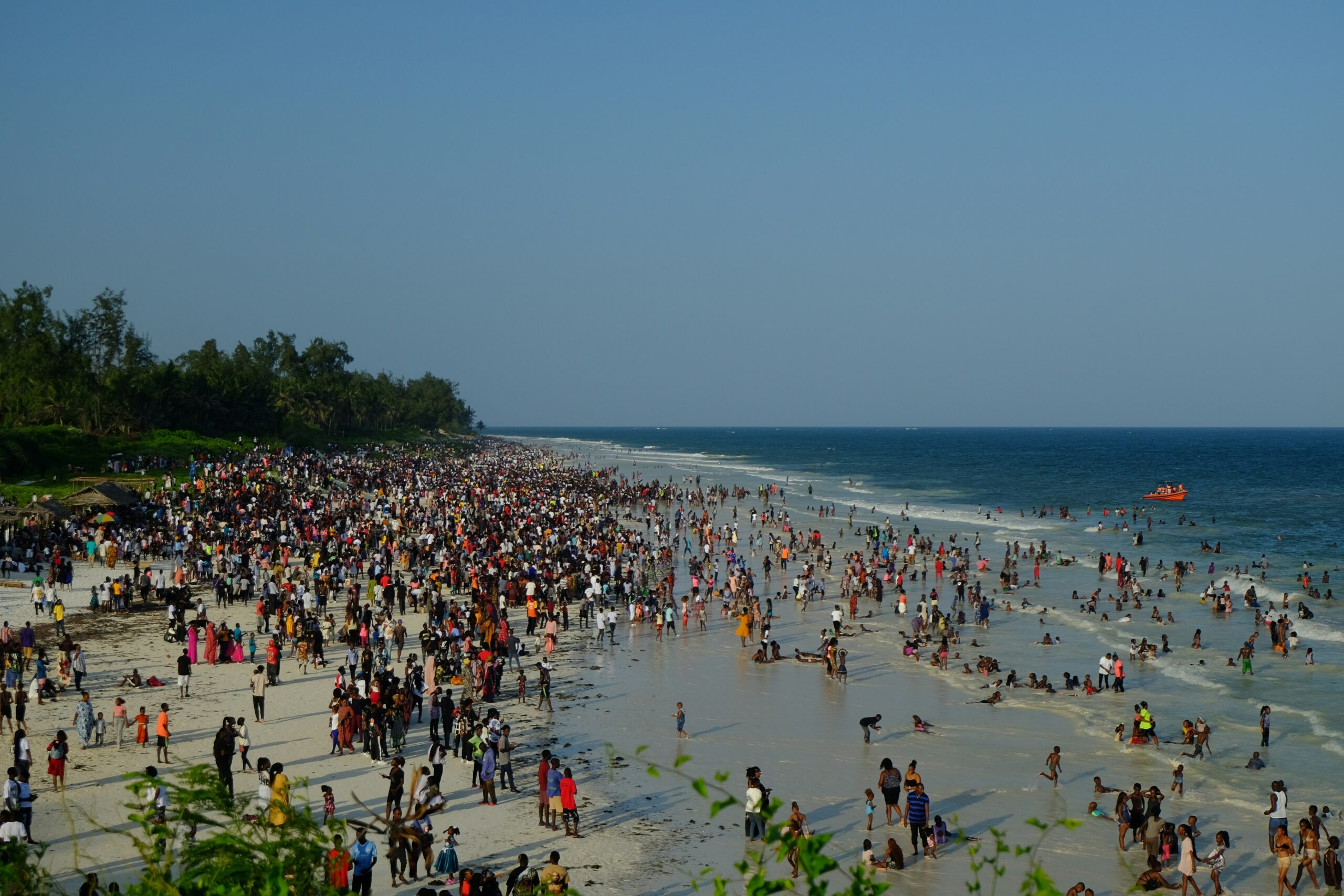
Coastal tourism is a powerhouse of the global economy, particularly for island nations and those blessed with stunning shorelines. Every year, millions of travelers flock to coastal destinations, drawn by pristine beaches, vibrant marine life, and thrilling recreational activities such as diving, snorkeling, whale and dolphin watching, and more. This influx of visitors brings massive economic benefits, generating revenue, creating jobs, and supporting local businesses. But there is a catch: the sustainability of this booming industry hinges on one critical factor, marine conservation. Without it, the very ecosystems that attract tourists could collapse, taking the economic benefits with them.
The Economic Lifeline of Coastal Tourism
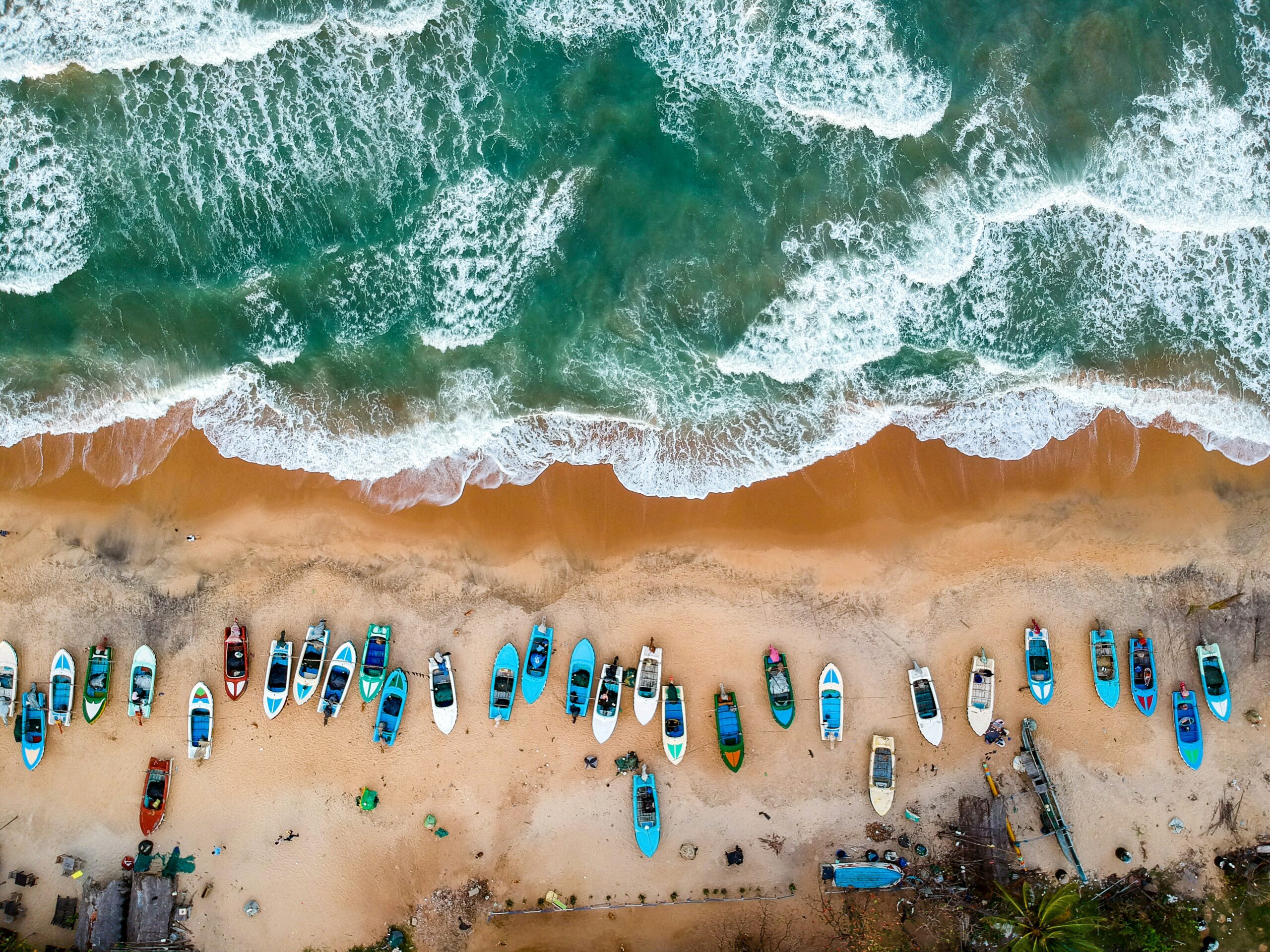
Coastal tourism is more than just a vacation trend; it is a lifeline for communities. From bustling beach towns to remote island villages, the industry provides employment for millions of people in coastal communities. Hotel staff, restaurant workers, tour guides, and even local fishermen rely on tourism for their livelihoods. Small businesses, like souvenir shops and seafood markets, flourish thanks to the steady stream of visitors.
Governments also reap significant rewards. Tourism-related activities bring in foreign exchange, bolstering national economies and funding critical infrastructure projects. Even marine conservation efforts benefit financially through entrance fees to marine parks and ecotourism initiatives. These funds are often reinvested into protecting the very ecosystems that draw tourists in the first place.
The Dark Side of Unregulated Tourism
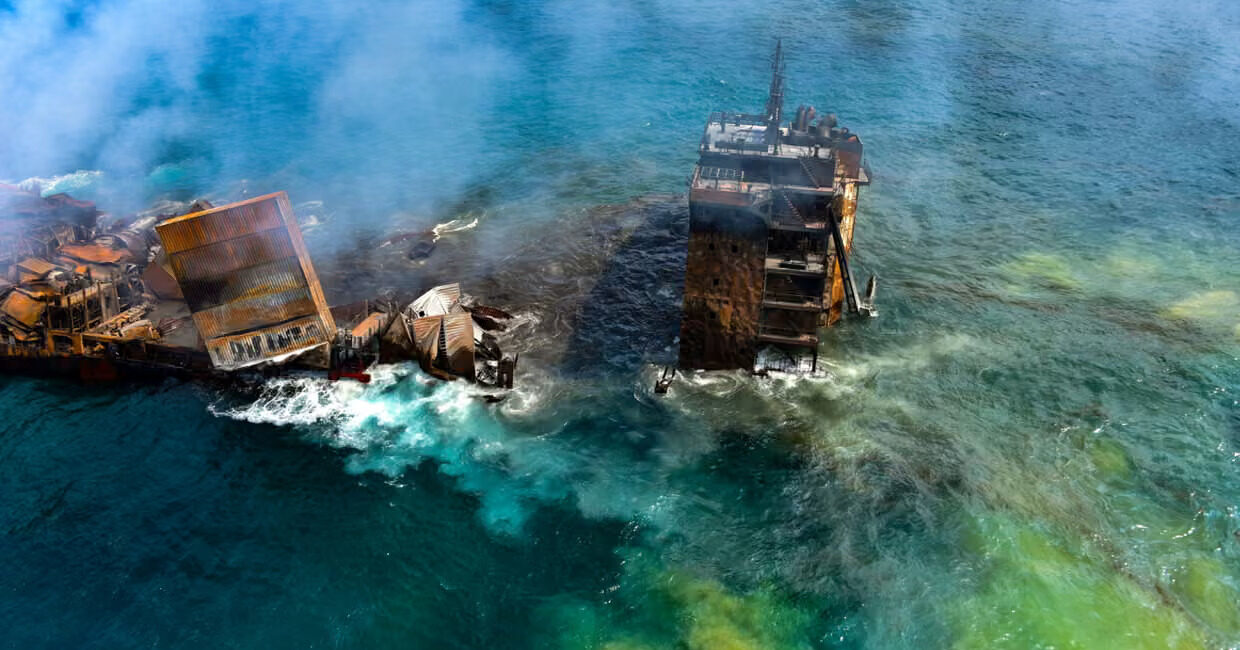
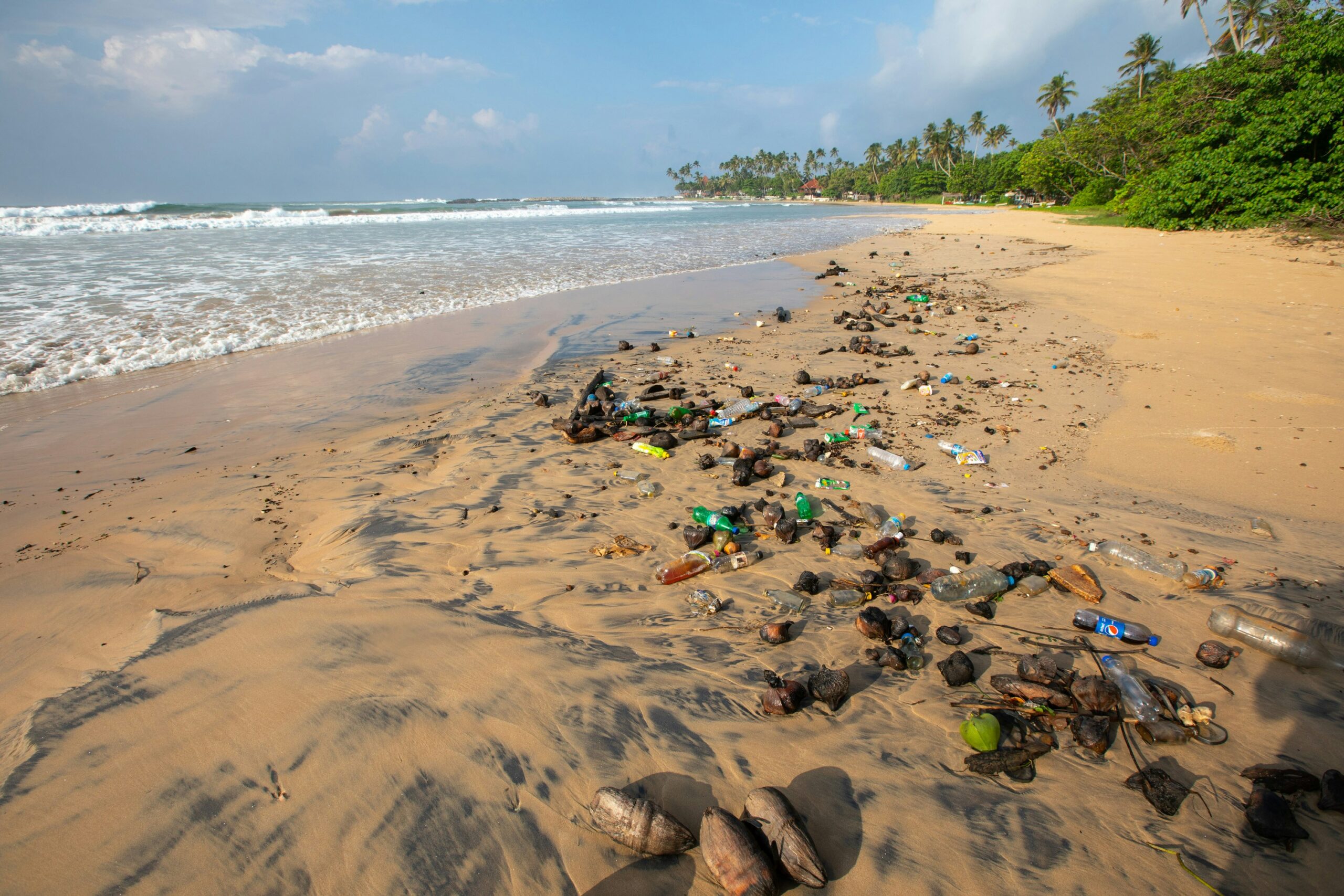
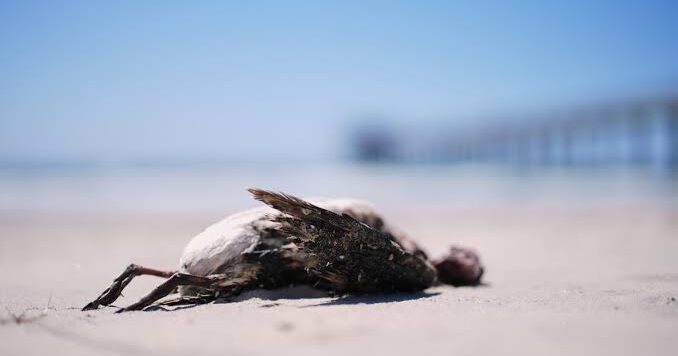
But there’s a flip side. When tourism grows too quickly or is poorly managed, it can wreak havoc on marine ecosystems. Pollution from plastic waste, sunscreen chemicals, and untreated sewage can poison coastal waters. Coral reefs, often the crown jewels of marine biodiversity, are particularly vulnerable to damage from irresponsible snorkeling and diving practices. Overfishing to meet the demands of seafood-loving tourists can deplete fish populations, disrupting the delicate balance of marine life.
These environmental challenges don’t just harm ecosystems; they threaten the long-term viability of coastal tourism itself. After all, what happens to a beach town when its coral reefs are dead, its waters are polluted, and its fish stocks are depleted?
Marine Conservation: The Key to Sustainable Tourism
This is where marine conservation steps in. By protecting marine ecosystems, conservation efforts ensure that coastal tourism remains viable for generations to come. Strategies like waste management systems, coral reef restoration projects, and sustainable fishing regulations are essential to maintaining the health of these environments.
One of the most effective tools in the conservation toolkit is the establishment of Marine Protected Areas (MPAs). These designated zones restrict harmful activities, allowing marine life to thrive. MPAs not only preserve biodiversity but also enhance the appeal of coastal destinations by ensuring that visitors can experience vibrant, healthy ecosystems.
Responsible tourism practices are equally important. Educating tourists about the impact of their actions, like avoiding single-use plastics, using reef-safe sunscreen, and respecting marine wildlife, can make a world of difference. When tourists become stewards of the environment, they contribute to the preservation of the destinations they love.
A Collaborative Path Forward
Achieving a balance between economic growth and environmental protection requires a united effort. Governments must implement and enforce sustainable tourism policies and stricter environmental regulations. Businesses need to adopt eco-friendly practices and invest in conservation initiatives. Local communities, often the most directly affected by tourism, should be empowered to take an active role in managing their natural resources.
Tourists, too, have a part to play. By choosing eco-conscious travel options and supporting businesses that prioritize sustainability, they can help drive positive change.
The Bigger Picture
Coastal tourism and marine conservation are not opposing forces, they are two sides of the same coin. When managed responsibly, tourism can be a powerful ally in the fight to protect our oceans. By prioritizing conservation, we can ensure that coastal destinations continue to thrive economically while preserving their natural beauty and biodiversity for future generations.
The choice is clear: invest in marine conservation today, or risk losing the very ecosystems that make coastal tourism possible. Together, we can create a future where economic prosperity and environmental health go hand in hand.