By Rukmi Peiris
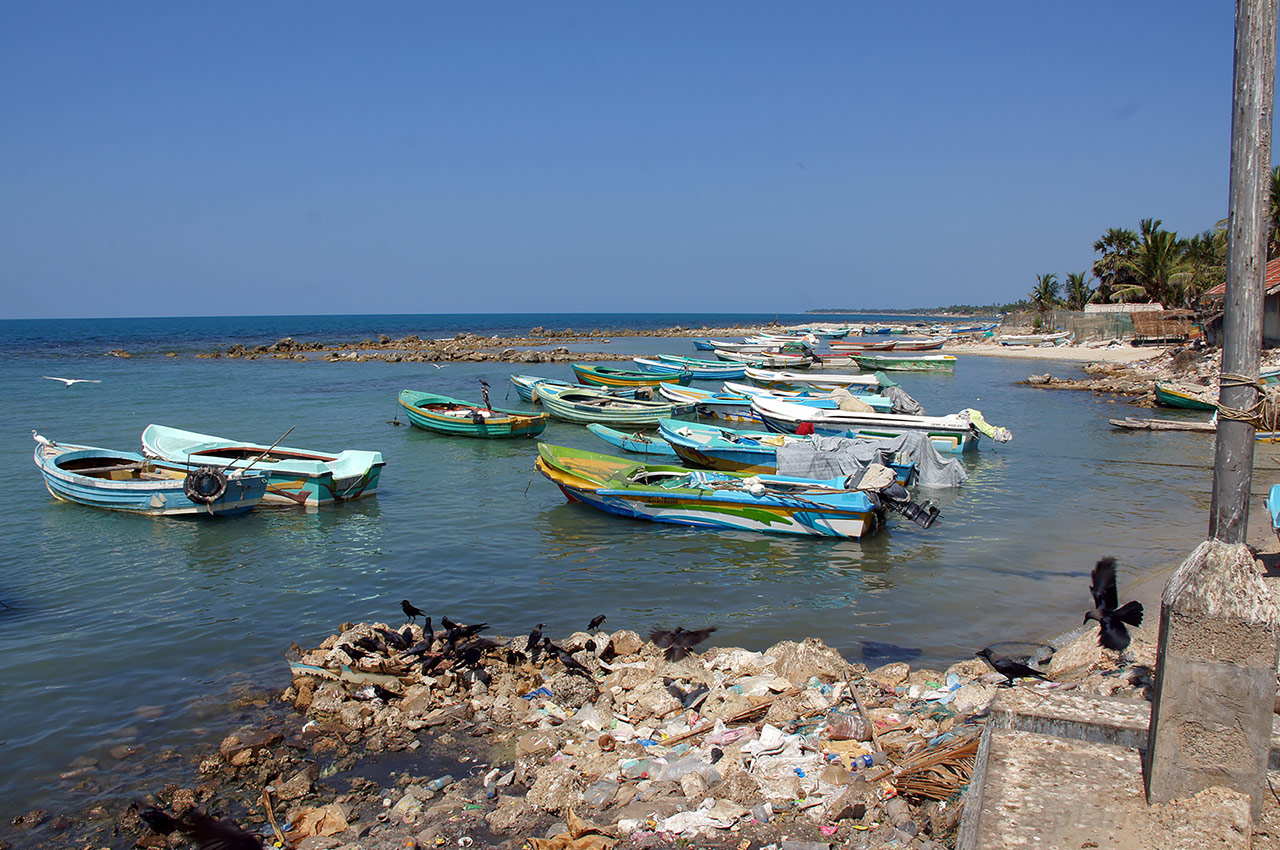
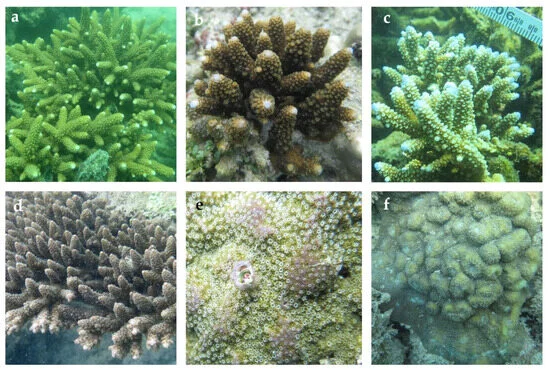
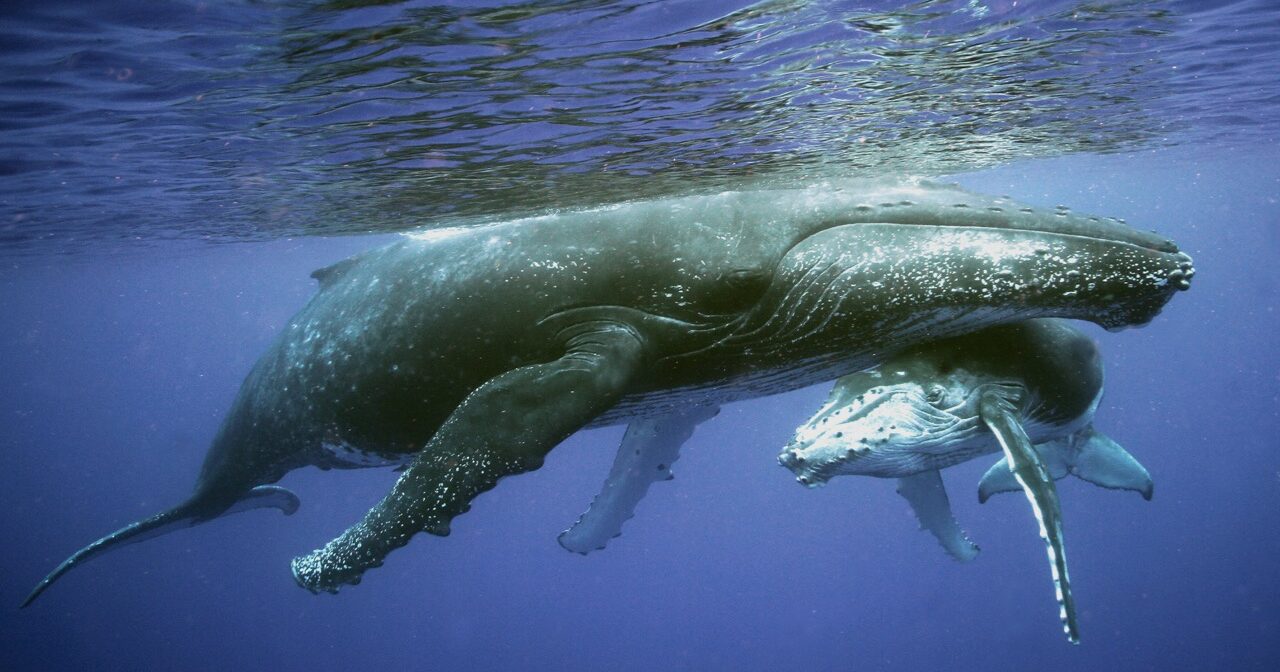
Beneath the surface of Sri Lanka’s northern ocean waters lies a treasure trove of marine life with vibrant coral reefs, fish, and other marine species that support the livelihoods of coastal communities. Over the years, these waters have faced illegal fishing practices that threaten not only marine biodiversity, but the future economy of our country and the communities who depend on it.
However, there is new hope. In May 2026, the Sri Lankan government announced a major decision; the creation of new Marine Protected Areas (MPAs) in the country’s northern province, which was a turning point for the nation’s commitment to ocean conservation and for the future of Sri Lanka’s maritime heritage.
A High-Level Commitment
On May 18, 2026, a high-level discussion was chaired by the Deputy Minister of Environment, Anton Jayakody, and the Deputy Minister of Defence, Major General Aruna Jayasekara. This meeting was between top officials from the Ministry of Fisheries, the Sri Lanka Navy, the Marine Environment Protection Authority (MEPA), the Coast Guard, and international experts from the International Union for Conservation of Nature (IUCN).
The main takeaway from this meeting was that protecting Sri Lanka’s northern seas is a national priority. All officials emphasized that protecting this marine zone is crucial, not only for biodiversity conservation, but also for securing the livelihoods of local fishing communities and enhancing Sri Lanka’s marine profile globally.

Beneath the surface of Sri Lanka’s northern ocean waters lies a treasure trove of marine life with vibrant coral reefs, fish, and other marine species that support the livelihoods of coastal communities. Over the years, these waters have faced illegal fishing practices that threaten not only marine biodiversity, but the future economy of our country and the communities who depend on it.
However, there is new hope. In May 2026, the Sri Lankan government announced a major decision; the creation of new Marine Protected Areas (MPAs) in the country’s northern province, which was a turning point for the nation’s commitment to ocean conservation and for the future of Sri Lanka’s maritime heritage.
A High-Level Commitment
On May 18, 2026, a high-level discussion was chaired by the Deputy Minister of Environment, Anton Jayakody, and the Deputy Minister of Defence, Major General Aruna Jayasekara. This meeting was between top officials from the Ministry of Fisheries, the Sri Lanka Navy, the Marine Environment Protection Authority (MEPA), the Coast Guard, and international experts from the International Union for Conservation of Nature (IUCN).
The main takeaway from this meeting was that protecting Sri Lanka’s northern seas is a national priority. All officials emphasized that protecting this marine zone is crucial, not only for biodiversity conservation, but also for securing the livelihoods of local fishing communities and enhancing Sri Lanka’s marine profile globally.
The Threat of Illegal Fishing
Why are these MPAs urgently needed? The primary threat is Illegal, Unreported and Unregulated (IUU) fishing. This is not about a few fishermen breaking the rules, but destructive practices that are harmful to the marine ecosystem.
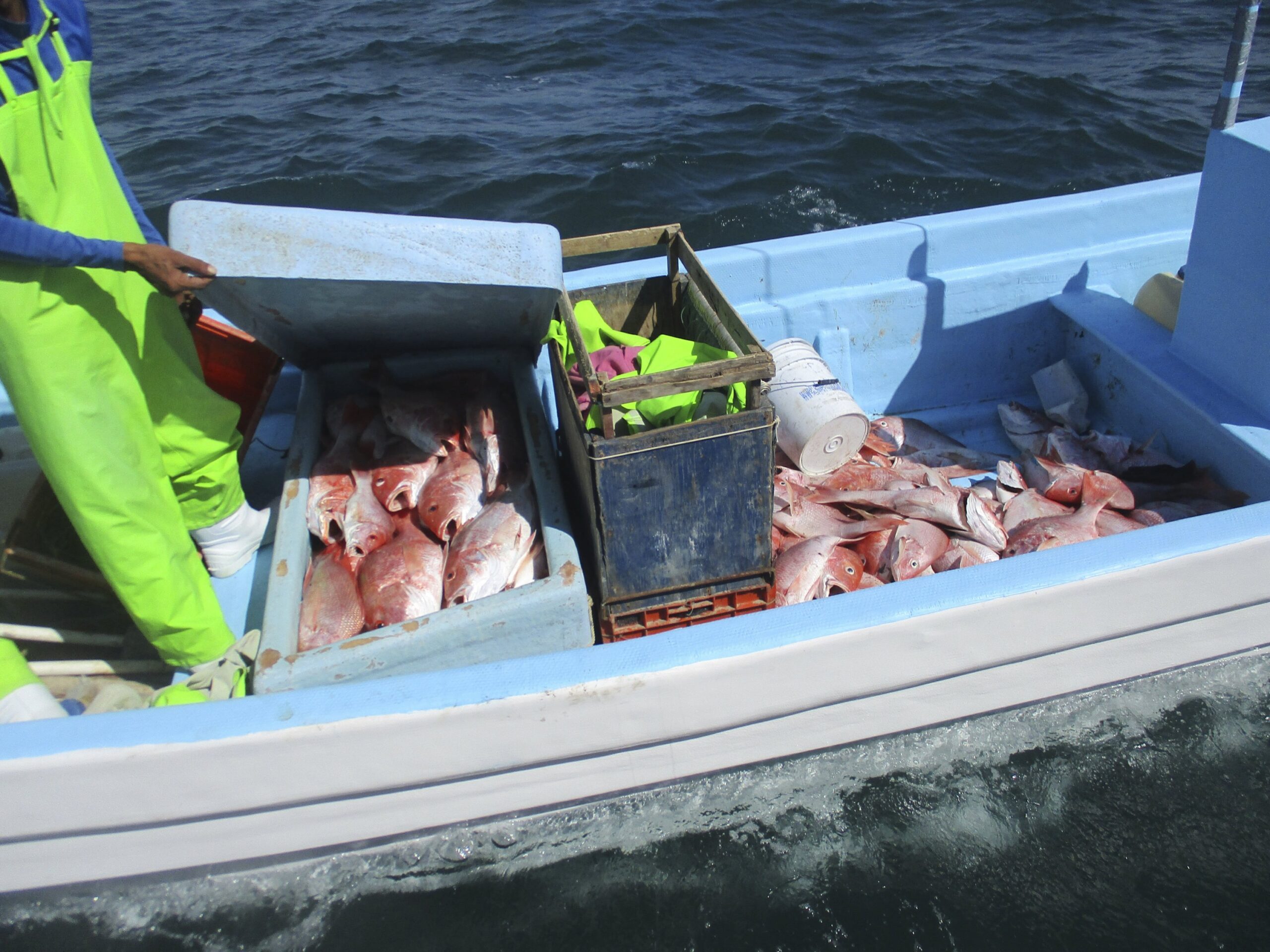
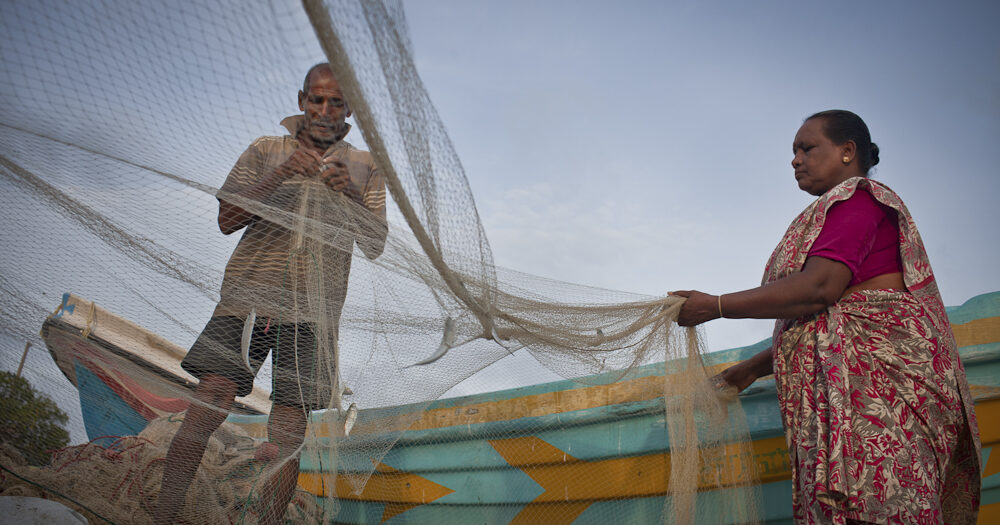
The government has identified several harmful fishing methods. Dynamite fishing uses explosives to stun and kill fish. The blast destroys coral reefs that took centuries to grow, leaving them lifeless. Unauthorized spearfishing might seem harmless, but unregulated spearfishing can target vulnerable species and key predators from the ecosystem. Some fishermen continue to use banned fishing gear such as nets with tiny mesh sizes that catch juvenile fish before they can reproduce, which prevents the fish population from recovering. In the end, these activities are harmful to the fishermen themselves, and they will struggle when the fish population depletes.
What Will the Marine Protected Areas Do?
The government has identified several suitable islands and marine zones from the Northern province for official declaration of new MPAs. This means stronger enforcement and better management. The government plans to increase surveillance operations in these waters, including better monitoring and stricter law enforcement for rule breakers. The gaps in fishing harbour management and governance that were highlighted in the meeting make it easier for illegal activities to go unchecked. With new MPAs, a broader effort to strengthen the entire system in marine governance is possible.
Most importantly, the government’s goal is to manage our fisheries carefully, while protecting and promoting sustainable fishing. This ensures that fish populations can increase and recover, so that fishermen can continue sustaining their livelihoods through generations.
Economic Opportunities Through Eco-Tourism
The officials’ vision for these MPAs goes beyond conservation into potential economic engines for Sri Lanka. Their plan is developing these areas into eco-tourism destinations, which is a smart strategy. Instead of using destructive fishing methods, communities can generate income through guided snorkeling tours, wildlife watching and sustainable fishing experiences, whilst protecting their marine environment. The government believes these new MPAs can bring new economic opportunities and international recognition for the Northern Province.
Sri Lanka’s Global Responsibility
By establishing these MPAs, Sri Lanka is also contributing to international biodiversity conservation goals. As the Pearl of the Indian Ocean, Sri Lanka has a responsibility as a custodian of these precious resources since it is situated in one of the most biodiverse marine regions in the world. This initiative aligns global efforts to protect the ocean responsibly with Sri Lanka.
Looking Ahead
As a beginning, creating new MPAs in the north is a positive step. However, the real challenges lie in its implementation. To protect these areas; effective enforcement, community support and investments are needed. Establishing a working group with the relevant representatives from the Ministries of Tourism, Fisheries, Defence, Environment and Justice is a crucial step, which recognizes that marine conservation is not only an environmental issue but also involves economic development, justice and security.
This announcement is a moment of hope and motivation which shows that the government is listening and willing to protect our ocean. But we must remain vigilant, continue to advocate for effective enforcement, support the sustainable practices of communities, and ensure that these MPAs fulfill their promises. The Northern seas of our island deserve protection and with this new bold plan, we are moving in the right direction.
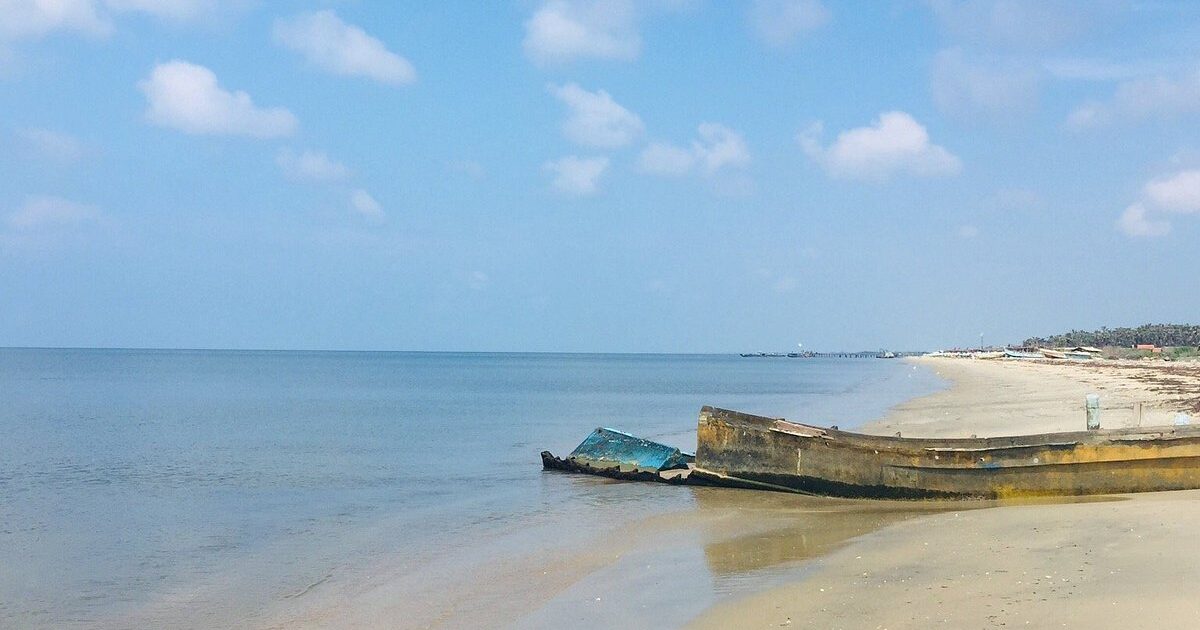
Feature Image Credits: dailysabah.com