
By: Sajini Perera

Renewable ocean energy is derived from natural ocean movements, temperature differences, and other physical properties of the ocean. Unlike fossil fuels, these resources are continuously replenished through natural processes and therefore have the potential to provide sustainable, low-carbon energy sources. The ocean is always moving and the waves rise and fall, tides shift under the gravitational influence of the moon and sun, ocean currents transport large amounts of water, and winds move steadily over the open sea. These natural activities create several opportunities for generating renewable electricity and contribute towards a low-carbon energy system.

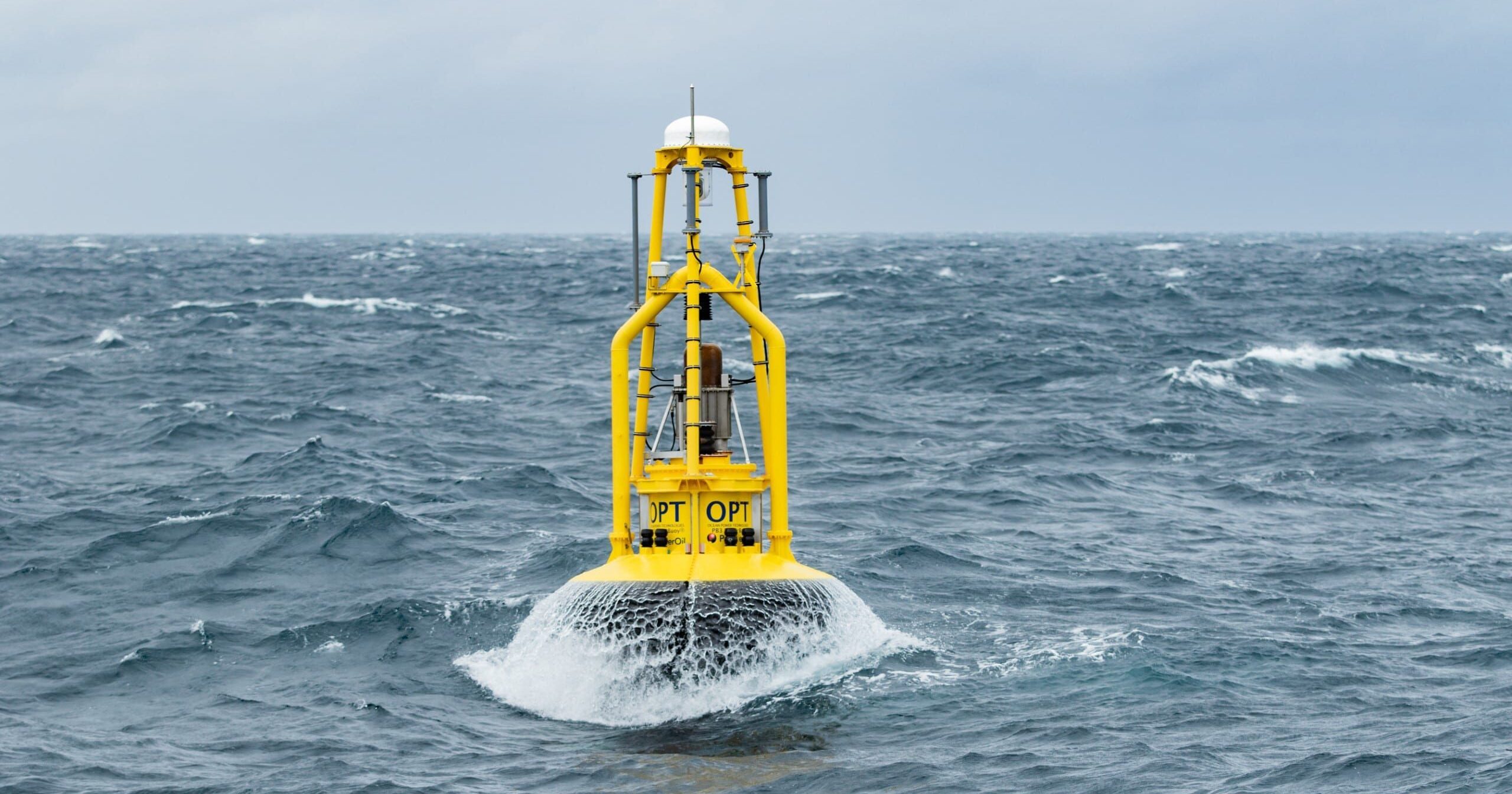
Wave energy is primarily generated through the transfer of energy from wind to the ocean surface. These energy converters capture the resulting up-and-down or back-and-forth motion, converting it into mechanical energy and subsequently into electricity. As an example, the Mutriku Breakwater Wave Plant in Spain uses oscillating water column technology from incoming waves to generate electricity. Such technology is particularly promising for coastal regions where wave conditions are strong and relatively consistent.

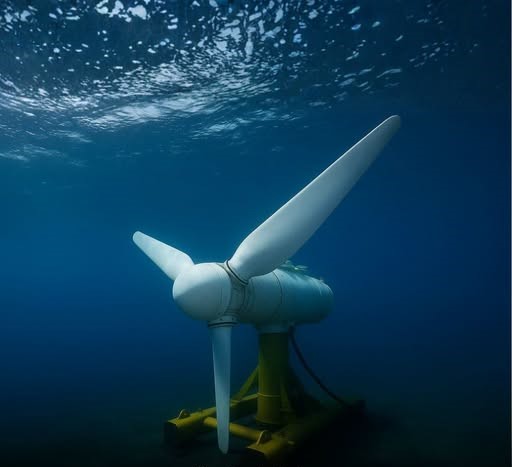
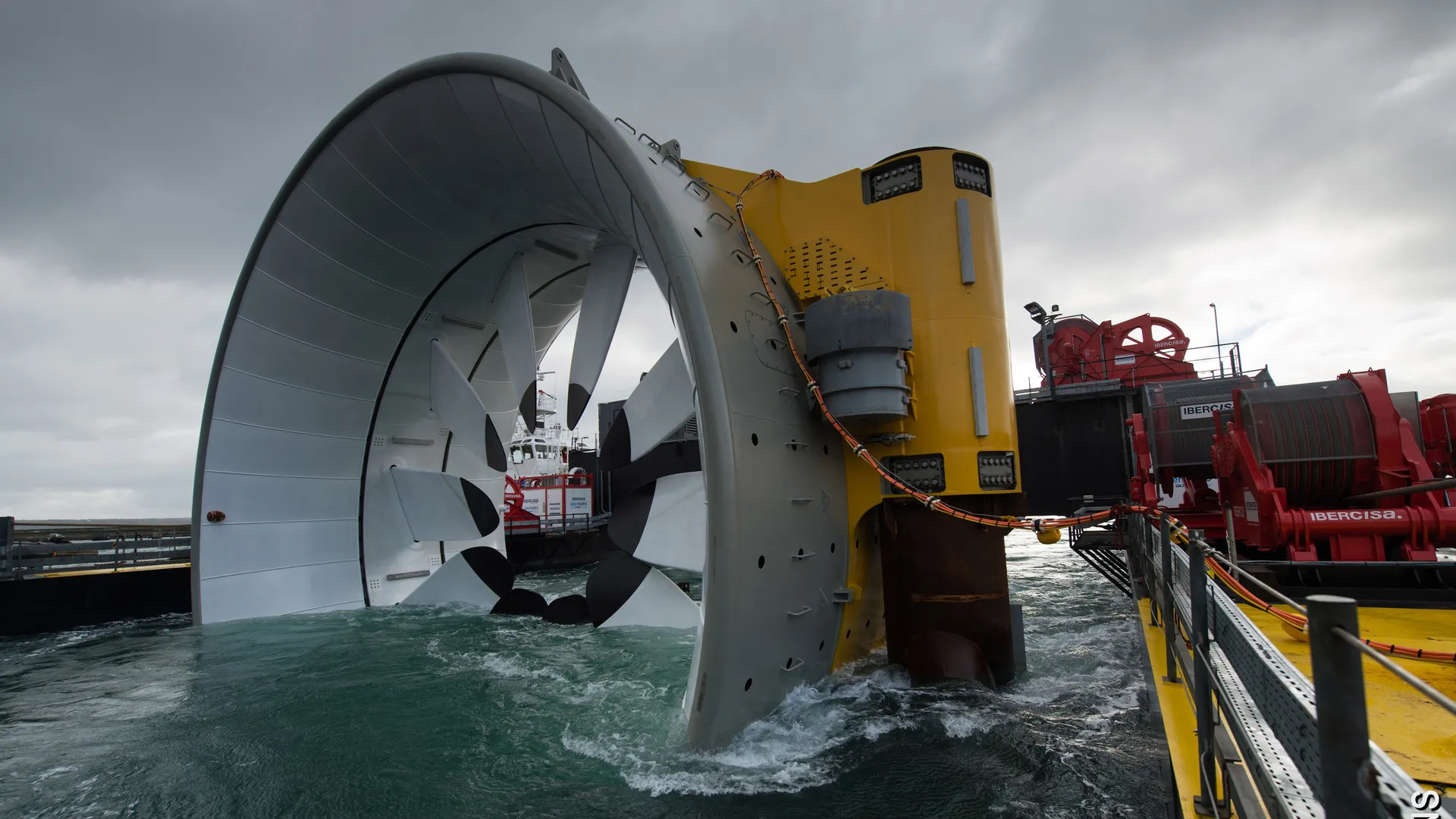
Tidal energy, in contrast, relies on the predictable movement of seawater driven mainly by the gravitational forces of the moon and sun. This movement can be converted into electricity through technologies such as tidal barrages, tidal lagoons, and underwater tidal-stream turbines. The La Rance Tidal Power Station in France and the Sihwa Lake Tidal Power Station in South Korea demonstrate the commercial application of tidal power. Underwater turbines are also used in tidal-stream developments such as the MeyGen project in Scotland, where they capture energy from strong tidal currents.

Underwater turbines, similar to wind turbines, can harness the kinetic energy of continuously flowing ocean currents and convert it into electricity. The relatively persistent nature of some ocean currents could make this technology a predictable source of renewable energy. Nevertheless, further technological development and environmental assessment are needed before large-scale deployment becomes possible in many regions.

Image : A tidal turbine at Scotland's MeyGen site has now operated continuously underwater for more than six and a half years without requiring any unplanned maintenance, setting a world record for tidal energy reliability - https://www.facebook.com/

Ocean Thermal Energy Conversion (OTEC) uses the temperature difference between warm surface seawater and cold deep seawater to operate a heat engine and generate electricity. This technology is particularly relevant to tropical island nations, where warm surface water and cold deep water can occur relatively close to one another. Hawaii’s Natural Energy Laboratory has demonstrated the potential of OTEC technology. Depending on the system design, it may also provide additional benefits, such as desalinated water.

Salinity-gradient energy, commonly known as blue energy, is based on the difference in salt concentration between freshwater and seawater, particularly in areas near river mouths. Technologies such as pressure-retarded osmosis and reverse electrodialysis have been investigated for electricity generation using this resource. Although salinity-gradient energy remains less commercially mature than solar, wind, and established hydropower, it represents another potential form of marine renewable energy.

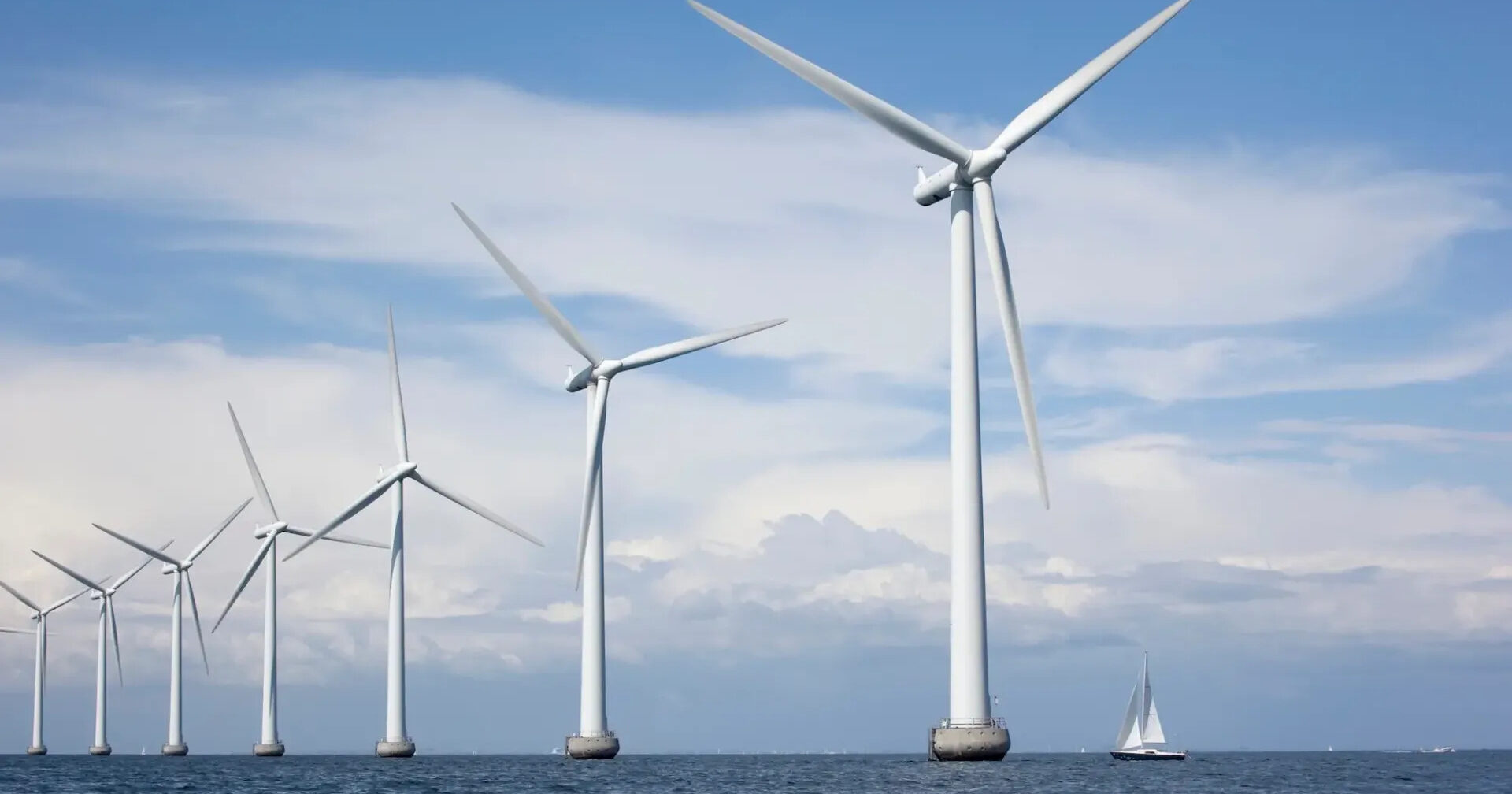
By taking advantage of the strong and relatively consistent offshore winds found over the sea, offshore wind turbines can generate electricity on a large scale. Countries such as the United Kingdom, Denmark, Germany, China, and the Netherlands have developed large offshore wind projects. Compared with most wave, tidal, and OTEC technologies, offshore wind is currently much more commercially mature and is expected to contribute increasingly to future renewable electricity generation.

Image : A hydroelectric motor at a tidal energy farm, designed by the DCNS group, in the harbor of Brest, France. - https://www.axios.com/

The role of the ocean in climate regulation further highlights its connection with the broader energy and environmental context. Through physical and biological processes, the ocean absorbs a significant amount of human-generated CO₂, helping to regulate the global climate. At the same time, increased CO₂ absorption contributes to ocean acidification, which can harm coral reefs and marine organisms. Although CO₂ absorption is not itself a form of renewable energy, ocean-based renewable energy can support climate mitigation by reducing reliance on fossil fuels and lowering greenhouse gas emissions.

For Sri Lanka, these resources have considerable long-term potential given the country’s island geography, extensive coastline, and access to the Indian Ocean. Wave energy could be explored along exposed coastal areas, while tidal-current energy may be considered in locations where sufficiently strong currents occur. OTEC is particularly relevant to Sri Lanka’s tropical marine environment, where warm surface water and colder deep ocean water are available. Offshore wind likewise represents an important future opportunity, particularly in areas identified through detailed marine wind-resource assessments. Sri Lanka does not currently have large-scale commercial electricity generation from wave, tidal, or OTEC technologies comparable to its established hydropower sector and rapidly expanding solar and wind sectors. Moving towards large-scale development would require resource mapping, pilot projects, environmental impact assessments, economic feasibility studies, marine spatial planning, and appropriate regulatory frameworks. Equally important would be careful assessment of potential impacts on fisheries, coral reefs, marine mammals, navigation, coastal ecosystems, and local communities.

Taken together, renewable ocean energy encompasses a diverse range of technologies that could contribute to future sustainable energy systems. Waves, tides, ocean currents, temperature differences, salinity gradients, and offshore winds each offer distinct natural energy resources. Although technological and economic challenges remain, developing these resources could help coastal and island nations such as Sri Lanka diversify their renewable energy supply, reduce dependence on fossil fuels, strengthen energy security, and support long-term climate-change mitigation. Any such development, however, would need to be carefully managed to ensure that marine ecosystems remain protected.
Feature Image: https://www.noc.ac.uk/

Image : Wave energy converter - https://www.oceanenergy-europe.eu/

Leave a Reply

The Pearl Protectors

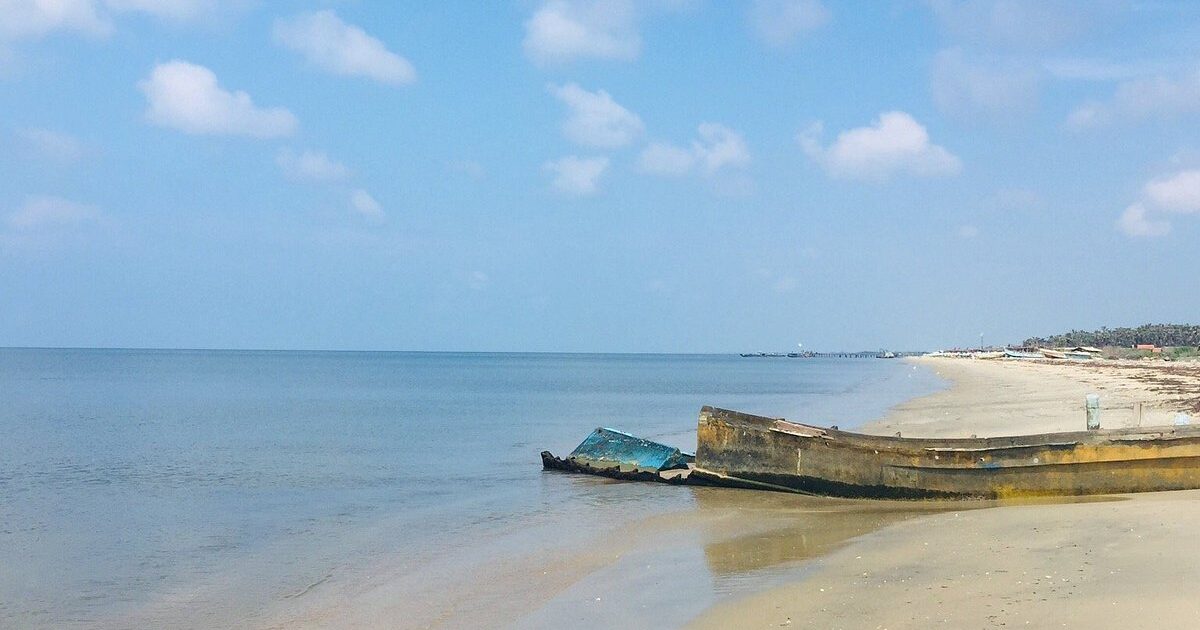
Renewable Ocean Energy

By: Sajini Perera Renewable ocean energy is derived from natural ocean movements, temperature differences, and other physical properties of the ocean. Unlike fossil fuels, these
Read More »
The Pearl Protectors

இலங்கையின் கனிம மணல் அகழ்வு: பொருளாதார வாய்ப்பா அல்லது சூழலியல் அபாயமா?

எழுத்தாக்கம்: அப்துல் பாஸித் பஷீர் நாம் பெரும்பாலும் இலங்கையின் கடற்கரைகளை அழகிய மணற்பரப்பாகவும், சுற்றுலா துறையின் அடையாளமாகவும் மட்டுமே பார்க்கிறோம். அவற்றிற்கு அப்பால், பில்லியன் டொலர் மதிப்புள்ள முக்கிய கனிம வளங்களை அது தன்னுள்

Read More »