By: Alina Marzook
From the pattering of rain to the scuttling of crabs over a coral reef, sound travels fast and far underwater, acting as an important sensory cue for marine mammals and invertebrates. These animals are reliant on the ocean soundscape for key life functions like foraging, navigation, and courtship.
A healthy ocean soundscape is characterized by ‘natural’ sounds or geophony, like acoustics from wind and other geological sources, and biophony, or intentionally and unintentionally produced sounds from biological sources.
However, since the Industrial Revolution, our seas have witnessed the amplification of a third component: anthrophony, or human sounds…accompanied by fading biophony.
In short, we are losing both marine life and the intricate songs that come with it.
Drowning in the wrong sound
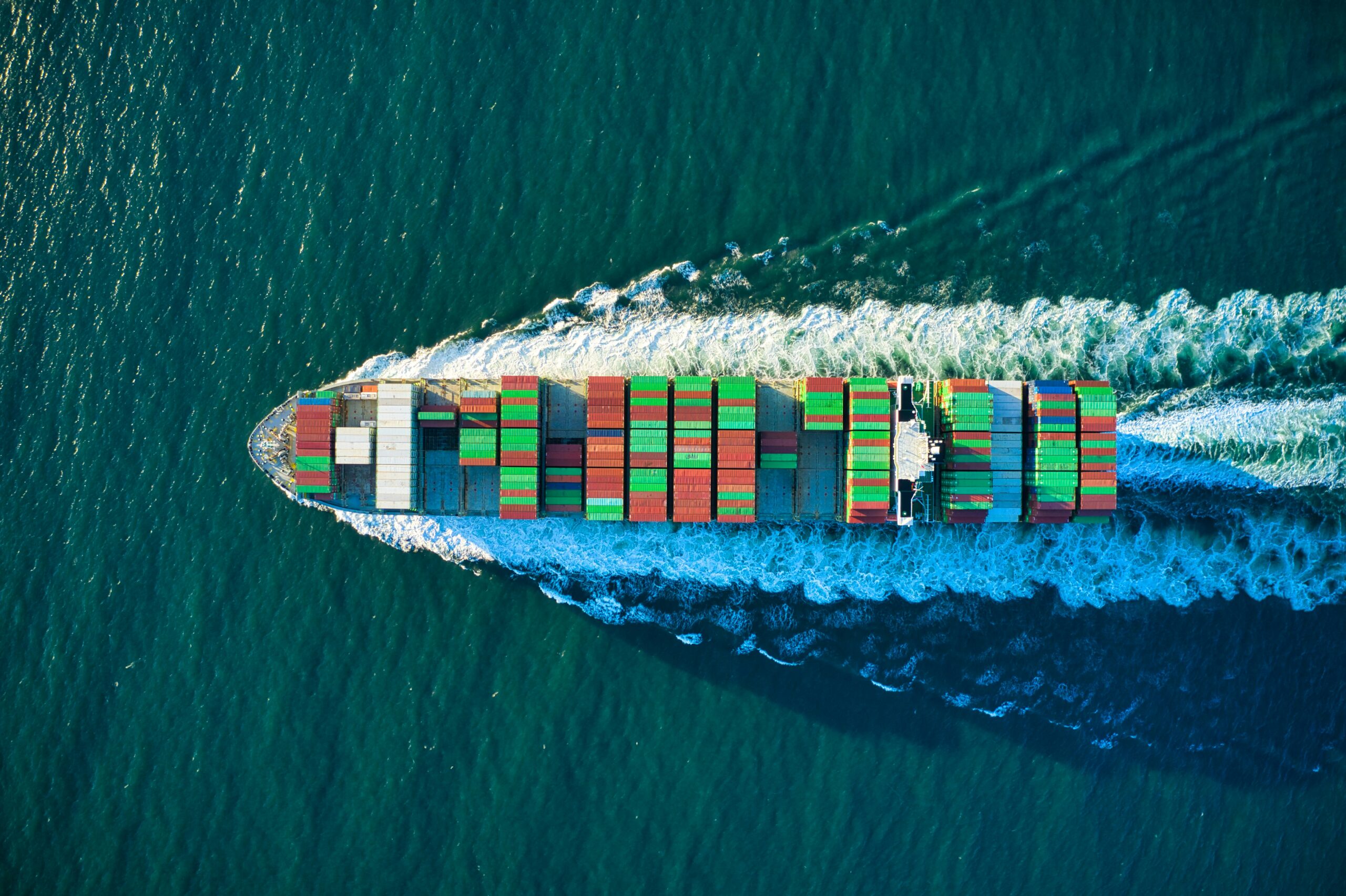
Most anthropogenic sounds are produced unintentionally, the most potent being shipping noise. In open waters, these low-frequency sounds travel long distances and therefore can even affect life situated away from heavily trafficked shipping lanes.
Other unintentional sound sources include coastal development and resource extraction, while sensing techniques like seismic surveys act as intentionally transmitted ‘human’ sounds that are disruptive to marine animals.
These noises overlap with and mask biophony and geophony, disrupting the activities of marine fauna. A systematic survey found that 91.2% of studies report induced physiological changes of marine life from noise pollution, while 83.9% report triggered displacement and evasive actions of animals.
The final straw
Increasing anthrophony is not the only player contributing to this silencing.
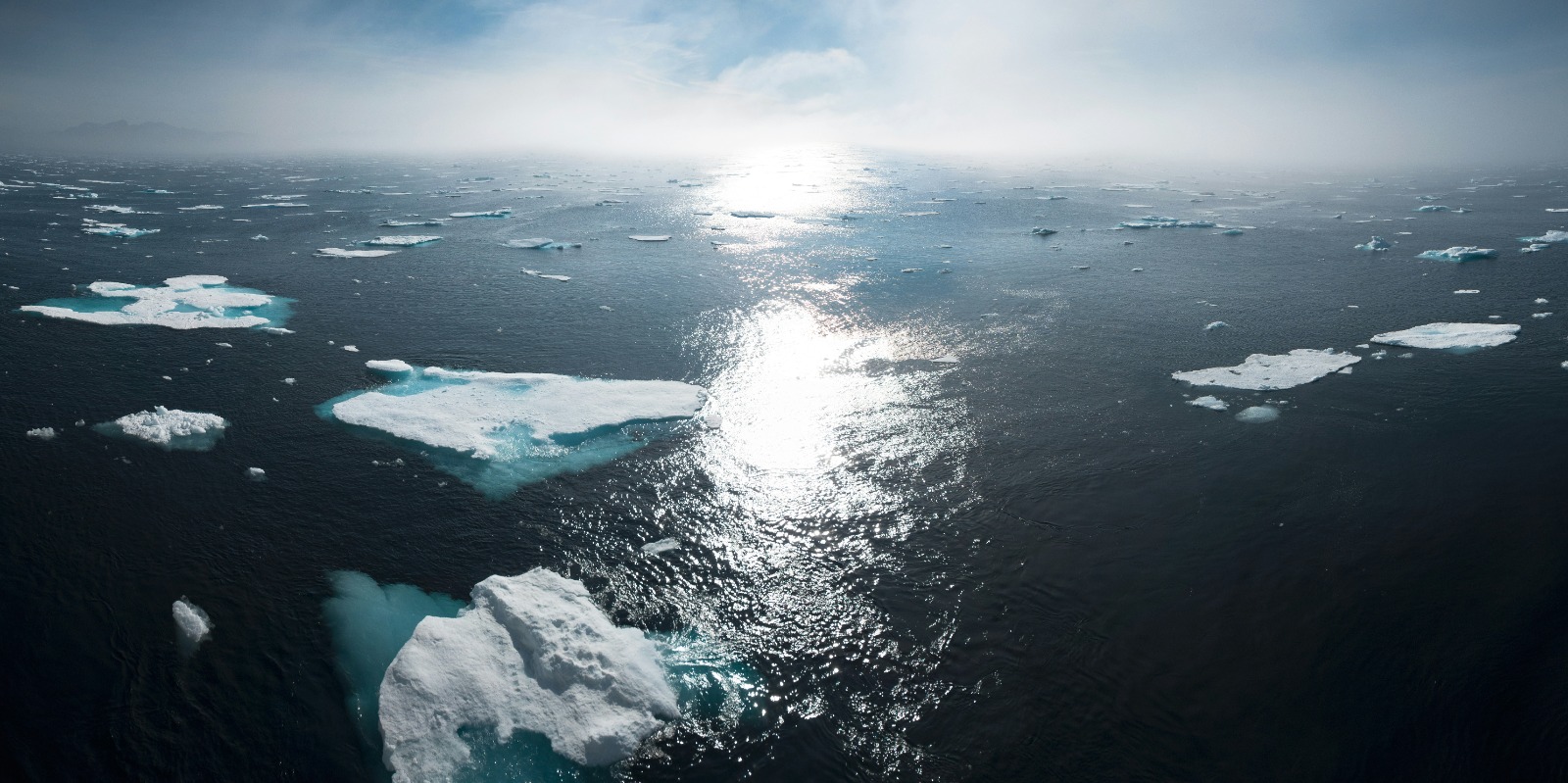
Hunting of key marine vocalizers, like whales, and overfishing are degrading the ocean biophony. Climate change is altering ocean soundscapes: ocean warming changes underwater acoustics and sound transmission; ice loss shifts species distribution and boosts human sounds; ocean acidification reduces sound absorption, which, together with increasing storms, makes the sea noisier.
Climate change also exacerbates habitat loss, where degradation of kelp forests, seagrass beds, and coral reefs is silencing the animals dependent on them.
The call of an ocean
Continuing on this trajectory may very well annihilate life underwater as we know it.
However, responsible stewardship of the ocean that prioritizes sustainable development can still help nurture a healthier ocean soundscape.
This translates into regulatory frameworks that control sound transmissions and incentivize transition to more mindful maritime technologies, or practices, such as reducing vessel speed and creating marine protected areas (MPAs). Furthermore, strictly adhering to internationally signed agreements to mitigate climate change will slow down further impact on the ocean soundscape.
Spreading awareness, encouraging evidence-based research, and pressuring national and international entities to adopt better regulatory policies can bring marine species back from the brink of silence.
The ocean has always had a voice. It falls to us to amplify this fading symphony before it is lost to the Anthropocene.
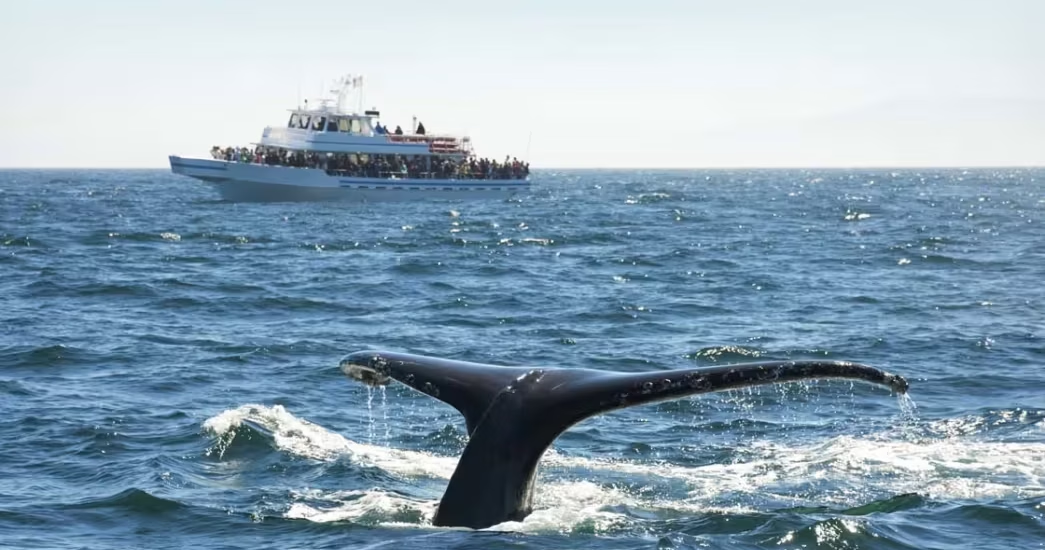
Cover Feature Whale Photo by Oliver Tsappis on Unsplash