Sewage Disposal into the Ocean: The Silent Crisis Along Sri Lanka’s Urban Coastlines

By: Moira Alfred

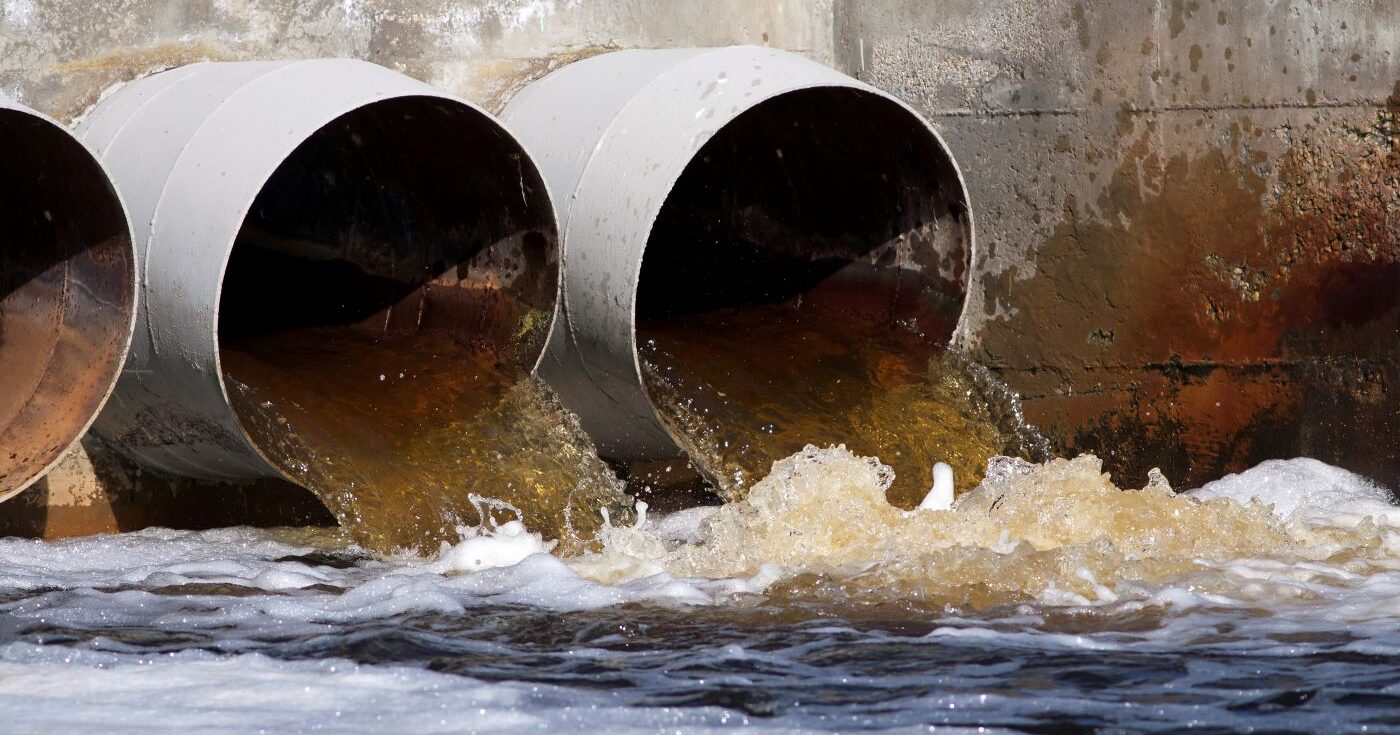
In Colombo, 90% of the sewerage infrastructure is over a century old. Every day, more than 100,000 cubic meters of untreated sewage get pumped into the ocean through two outfall pipes that extend about 1.5 kilometers offshore. The system was built between 1896 and 1920. It’s falling apart, but the sewage keeps flowing.

More than 80% of the city is connected to a network of over 250 kilometers of sewer pipes feeding into 13 pumping stations. Those stations channel wastewater to two deep-sea outfalls at Mutwal and Wellawatte, dumping roughly 30 million gallons of sewage into the ocean daily. The pipes crack, leak and occasionally collapse underground where nobody notices until a road caves in. Officials admit the system is failing but say rebuilding it isn’t practical. There’s no space, and the sewage has to go somewhere while construction happens.

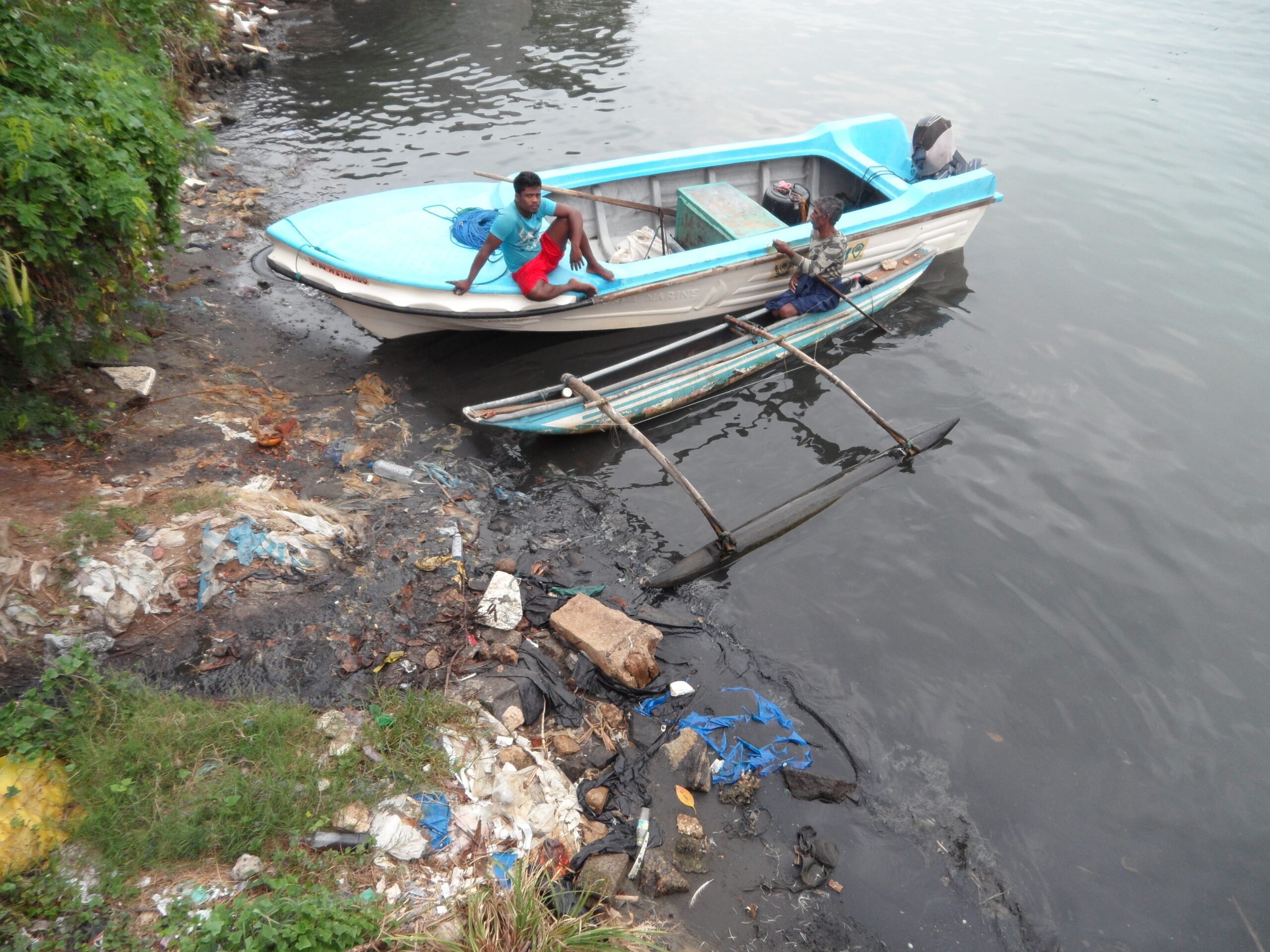
The rest of the country isn’t doing much better. According to the UN Joint Monitoring Program, less than 3% of rural households and only 12% of urban households discharge wastewater into sewers. The overwhelming majority, 95% countrywide, use septic tanks. The waste sits in below-ground storage until a gulley-bowser truck comes to pump it out. But there are only about 20 fecal sludge treatment plants in the entire country, many of them too far away to be practical. Hauling sludge long distances costs money, so illegal dumping happens. In Colombo, most of the sludge just gets discharged into the sewer system, which dumps it straight into the ocean.

Image Credits : news.mongabay.com

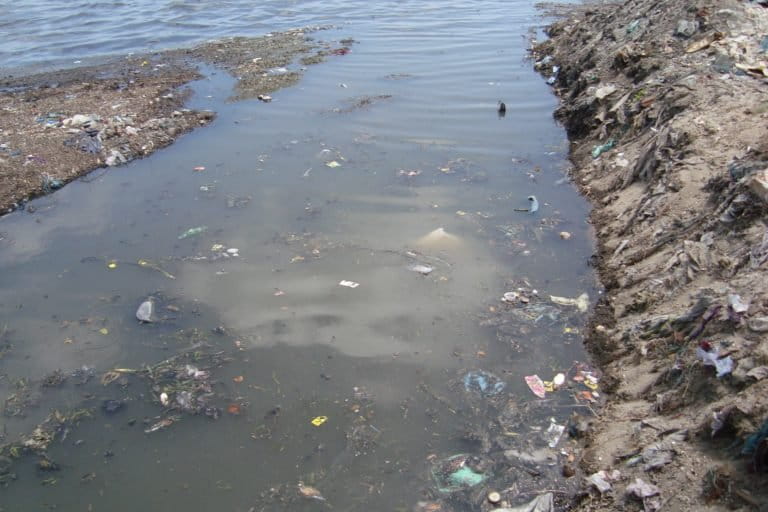
The contamination is measurable. Studies found severe fecal pollution along the west coast from Negombo down to Mirissa, driven by direct sewage disposal and runoff from hotels and homes. Fecal coliform bacteria showed up in practically every coastal waterway tested. Pathogenic Salmonella bacteria were detected in the Dehiwala canal and Rathmalana areas. This isn’t theoretical. The water is contaminated.

The Negombo lagoon illustrates the problem. It’s an important ecological and economic resource just north of Colombo, but it’s also a dumping ground. Local settlements, municipal sewage and the tourist industry all contribute wastewater. Studies estimate that nearly 250 kilograms of raw feces get released into the lagoon every day through drainage channels. About half of the solid waste generated nearby isn’t even collected, it just gets dumped illegally into the surrounding environment. Testing at seven sewage entry points found that the northern part of the lagoon exceeds safe coliform thresholds for both swimming and seafood consumption. E. coli is present. People swim there anyway. They eat oysters harvested from those waters.

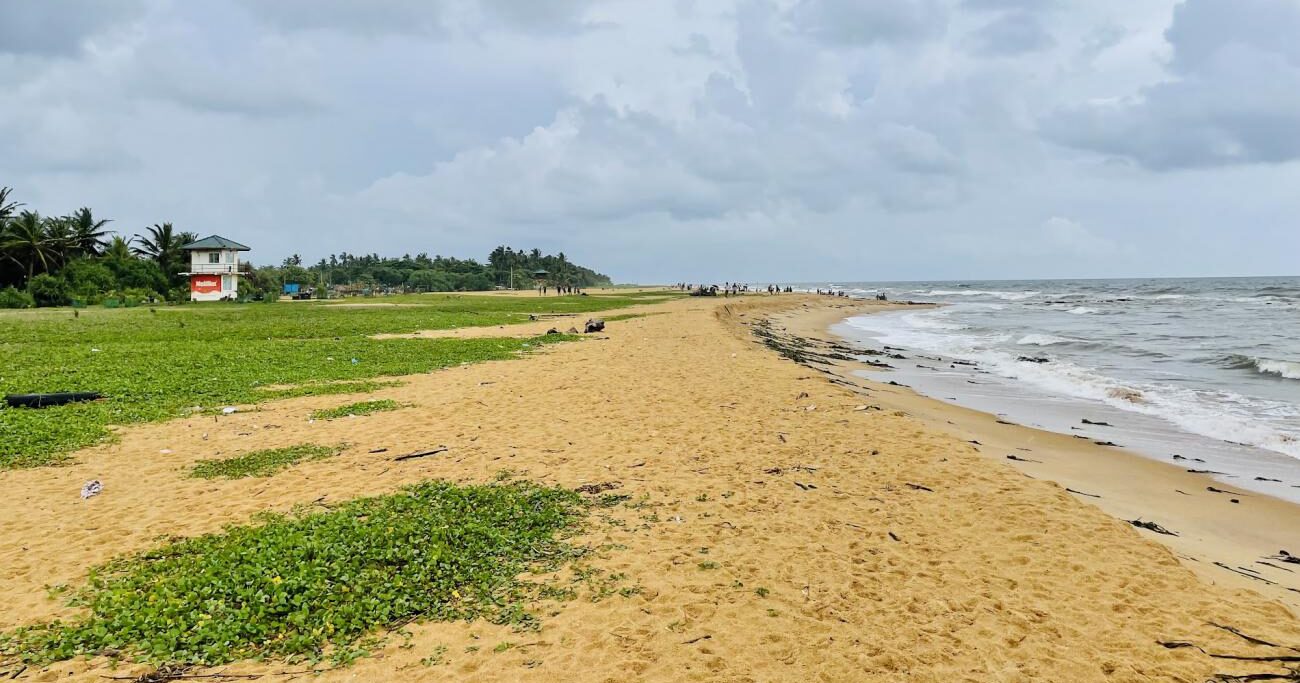
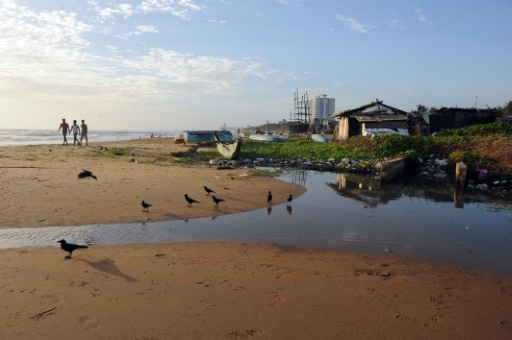
The public health implications are direct. Fecal contamination leads to gastroenteritis and other waterborne diseases. Yet Sri Lanka has no regulatory framework for monitoring bathing sites like Mount Lavinia beach despite the documented pollution. People just assume the water is fine because it looks clear.

Image Credits : dharshaniw.wordpress.com

More than 60% of Sri Lanka’s industrial enterprises are located along the coast. Many of them discharge effluents directly into the sea with little or no treatment. The Western and Southern provinces, home to over 40% of the population, pack fisheries, tourism operations, hotels, restaurants and commercial businesses along a coastline that’s steadily degrading. The tourism industry markets pristine beaches while simultaneously contributing to their contamination through unregulated wastewater discharge. The contradiction doesn’t seem to bother anyone in charge.

Attempts to fix the problem have gone nowhere. The Greater Colombo Wastewater Management Project launched in 2010 with financing from the Asian Development Bank. The goal was to upgrade infrastructure and improve services for 838,000 residents. Implementation has been slow. Contracts have stalled. The fundamental problem persists. Colombo Municipal Council officials acknowledge the system is old and failing but say the constraints are too complex to overcome.

This isn’t just an environmental issue. It’s economic. The fishing industry depends on clean water. Tourism depends on clean beaches. Both are being undermined by the same sewage that nobody wants to talk about. It’s a public health crisis exposing millions to disease. And it’s a governance failure reflecting decades of inadequate investment and absent regulation. Invisible infrastructure doesn’t win elections, so it doesn’t get funded.

The sewage flows every day. The pipes keep cracking. The treatment plants that should exist don’t. The regulations that could stop illegal dumping aren’t enforced. And the coastal waters that millions depend on are quietly becoming contaminated. This crisis doesn’t announce itself with sirens or headlines. It’s slow, silent and already here.
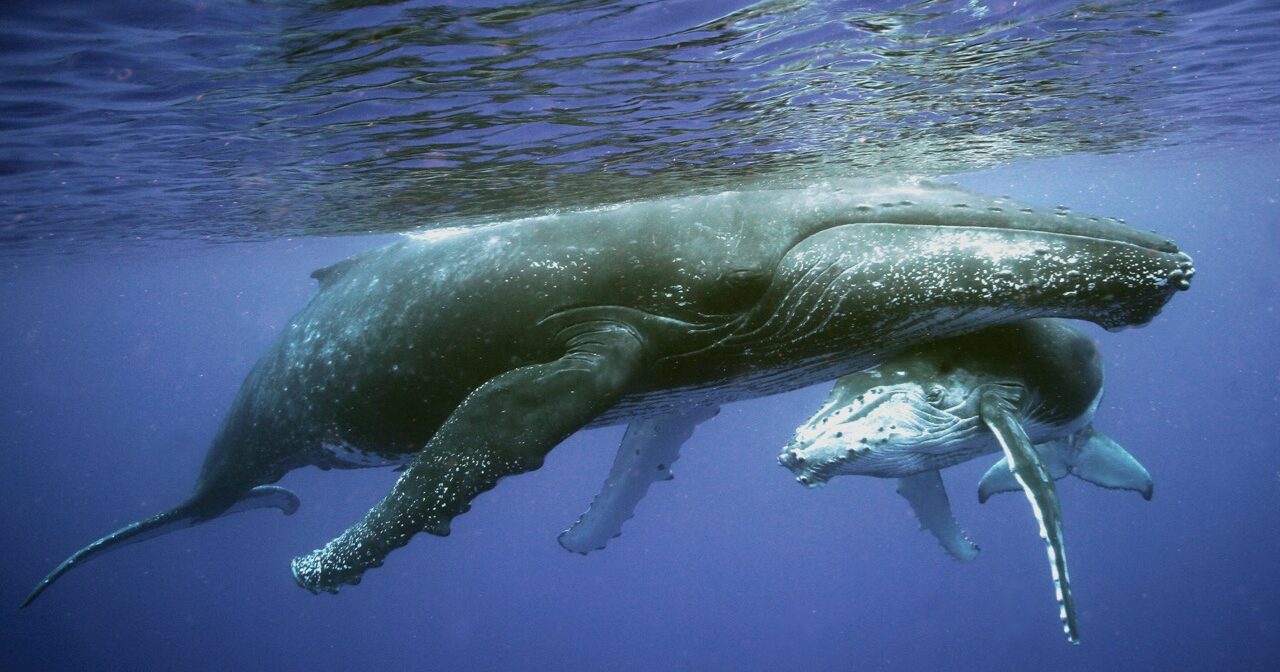
Feature Image Credits : vertexeng.com

Image Credits : peoplearesee.com

Leave a Reply