By: Sehanthi Samarakoon
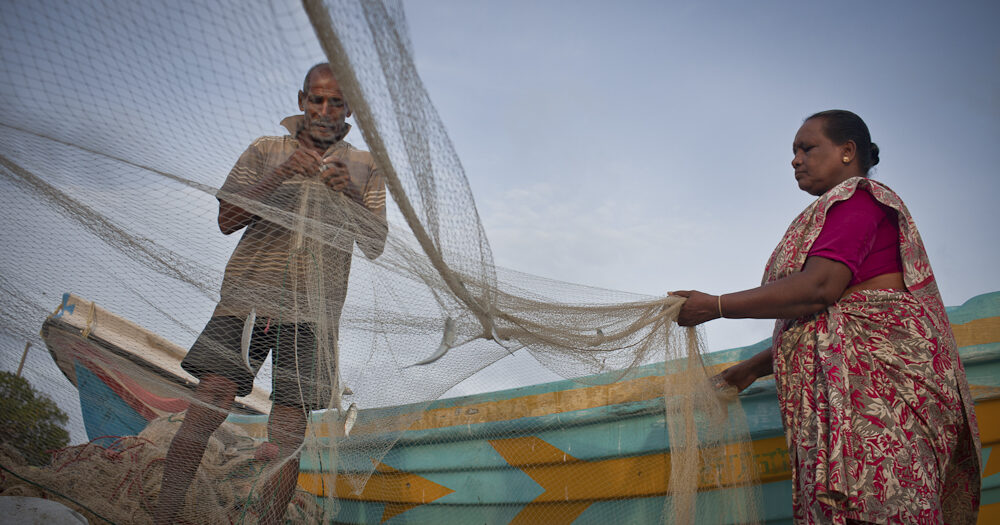
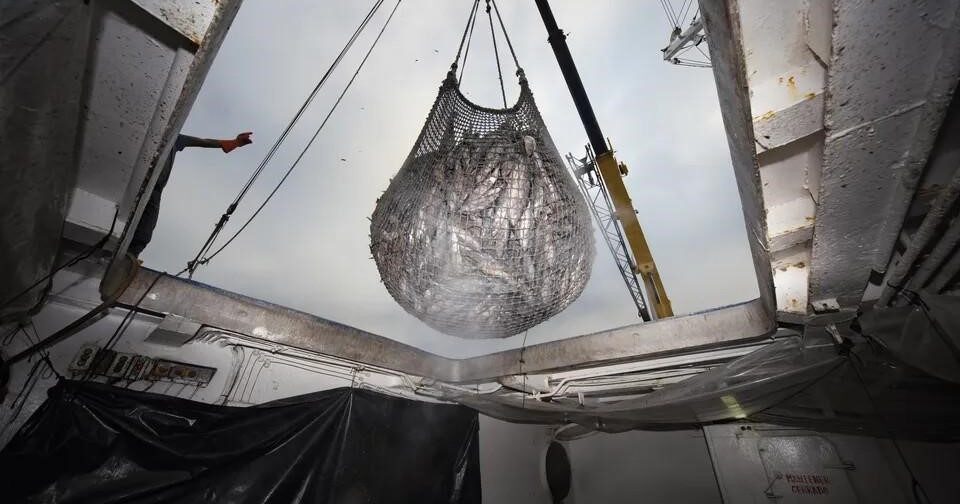
The Tragedy of the Commons describes the economic phenomenon in which individuals acting in their own self-interest overexploit a shared resource, ultimately leading to its depletion. This is particularly relevant in marine ecosystems, which represent one of the world’s major shared commons. Under difficult economic conditions fishers tend to prioritize short-term economic gain over marine conservation because of their personal aim of maximizing profit by securing the highest daily catch. When everyone operates under this short-term survival mindset of gaining higher returns daily, this collective resource may collapse. Overfishing, as described by this theory, prevents fish stocks from recovering to sustainable population levels. Harmful government subsidies for fuel, heavy gear, and fleet expansion have been recognized as primary drivers of global overfishing. To combat this crisis, the World Trade Organization (WTO) established The Agreement on Fisheries Subsidies (AFS) was inserted into Annex 1A. The accord aims to prohibit subsidies that facilitate illegal fishing and subsidies for fishing over the limit. Although enforcement measures have been introduced globally, their effect and implementation in a nation such as Sri Lanka remains doubtful at best.
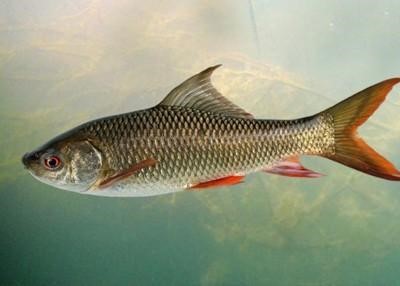
As an island nation, Sri Lanka has long been dependent on the marine resources of the Indian Ocean, leading to the contribution of increased pressure on fisheries, but the overexploitation of these resources is driven by multiple factors that include fishing capacity, economic incentives, and fisheries management. Fish consumption per capita reached 22.7 kg in 2023, which reflects how seafood forms the backbone of the Sri Lankan diet. While high consumption alone does not cause depletion, combining rapid population growth with an open-access fishery creates a dangerous market dynamic. When high market demand drives prices up, overfishing becomes even more lucrative in the short term, trapping local communities in a vicious cycle. The availability of destructive fishing gear in the market for low prices has exacerbated this issue, leading to fishing practices that not only facilitate overfishing but also destroy the surrounding ecosystem. Overfishing is not limited to saltwater ecosystems; freshwater species are also threatened. Among those affected are several species endemic to Sri Lanka, including the Green Labeo (Mountain Labeo) and Cherry Barb, which are struggling to survive in their threatened natural habitats.
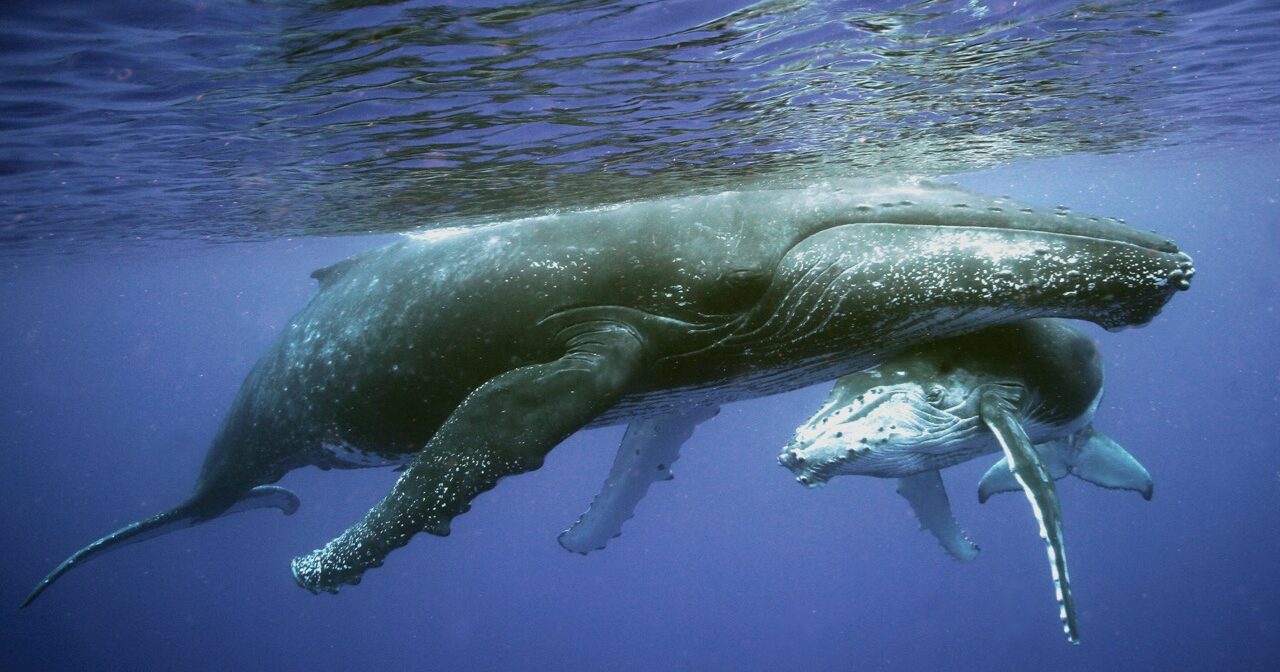
Overfishing directly threatens marine biodiversity, disrupting the marine food web and pushing vulnerable species toward localized extinction. Highly damaging fishing methods and gear, such as dynamite, and bottom trawling, act as underwater bulldozers. They do not merely catch targeted fish; they cause significant physical damage to the marine habitats. These practices do not merely remove targeted fish; they can also damage coral reefs and seagrass beds, which provide important nursery habitats for marine species. Such habitat degradation can further undermine the recovery of fish populations and exacerbate the effects of overfishing. Furthermore, the Tragedy of the Commons is exacerbated when law enforcement fails. Major loopholes exist in Sri Lankan laws, such as the Regulation of Foreign Fishing Boats Act No. 59 of 1979, which does not clearly specify prohibited fishing gear and methods. In addition, there seems to be no specific penalty system for the use of the prohibited gear. This raises concerns towards urgent reformation of the existing laws for sustainable fisheries in Sri Lanka. Without explicit, updated prohibitions and penalties that outweigh the potential profits of illegal catches, the law remains ineffective. The country needs to act fast to protect the ocean resources, no longer as an ideal but as a necessity for the island’s long-term food security and economic stability. Only by shifting focus from short-term exploitation and economic gains to long-term sustainability and stability can the nation ensure that its seas continue to provide for generations to come.
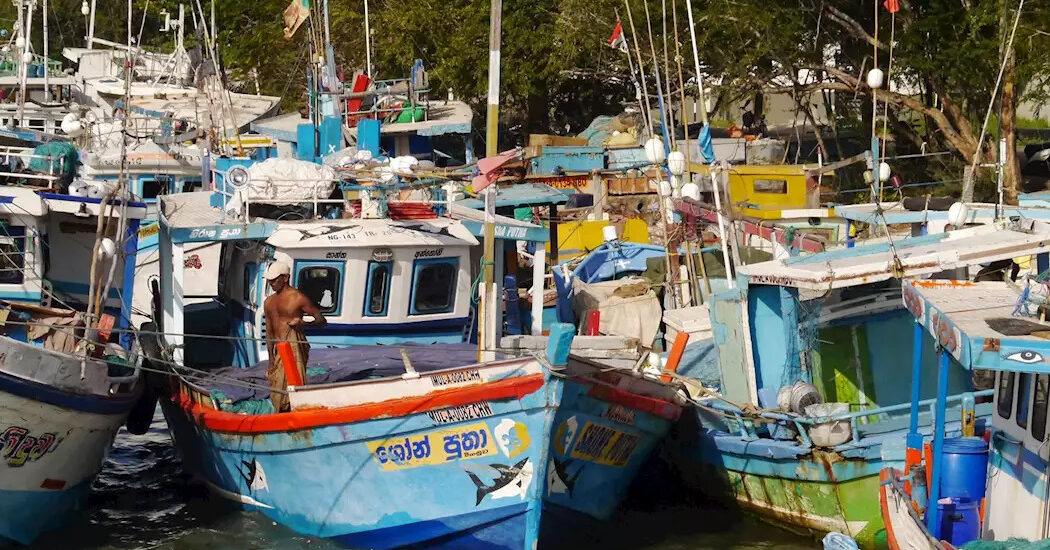
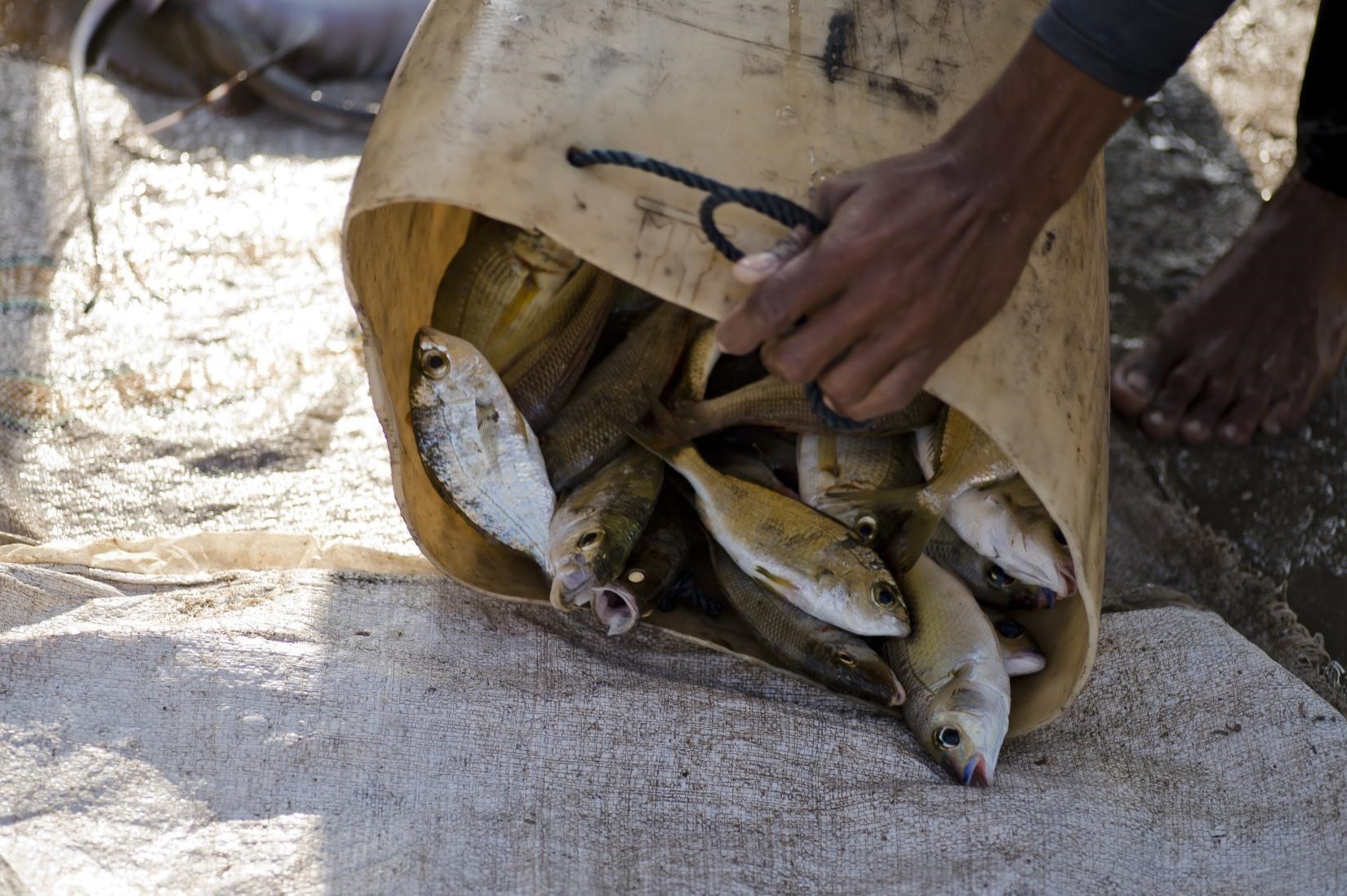
Feature Image: Busy Negambo Harbour – second largest fish market in Sri Lanka