

By: Shenali Narasinghe
Sri Lanka is a small island nation, shaped like a teardrop lying gracefully in the Indian Ocean, with a coastline stretching about 1,585 km where emerald land meets bluish sea. This beautiful boundary between land and water is not just a map line; it defines where families have lived for generations, where fishermen set out before sunrise, and where children play under the warmth of the tropical sun. But with each passing year, this boundary feels as if it is quietly shrinking, like a beloved painting slowly fading with time, and for a country like ours, rich in culture, biodiversity, and natural beauty, this loss feels deeply personal.
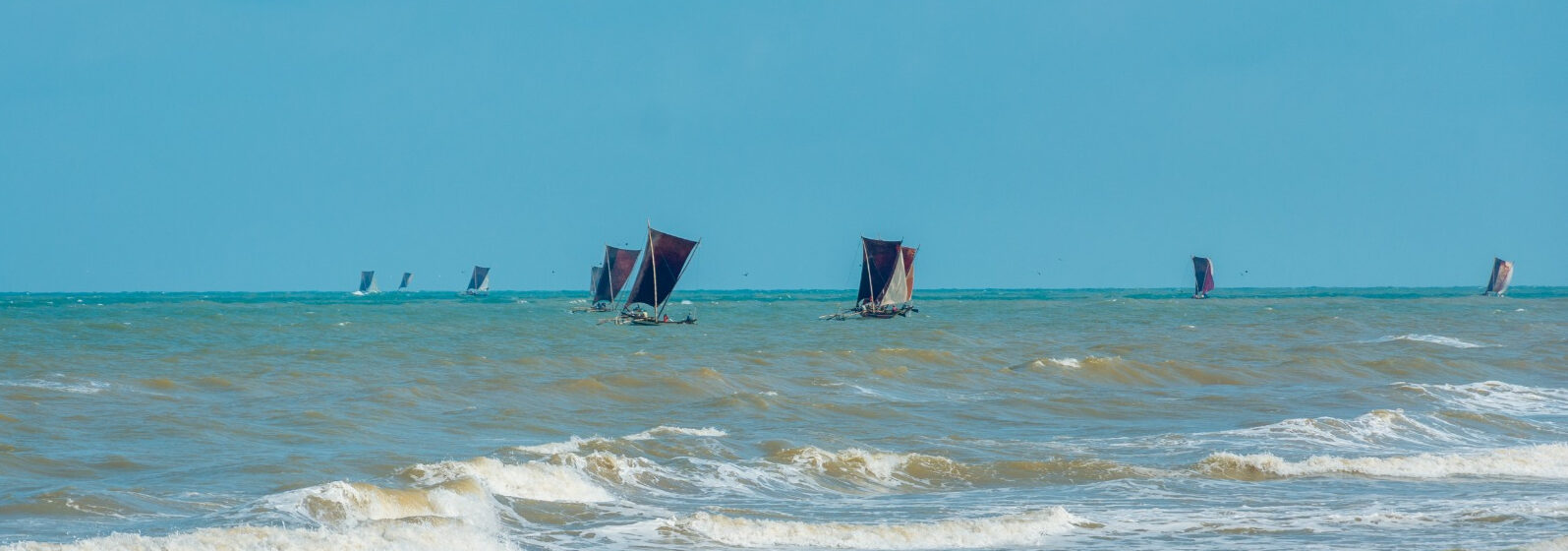
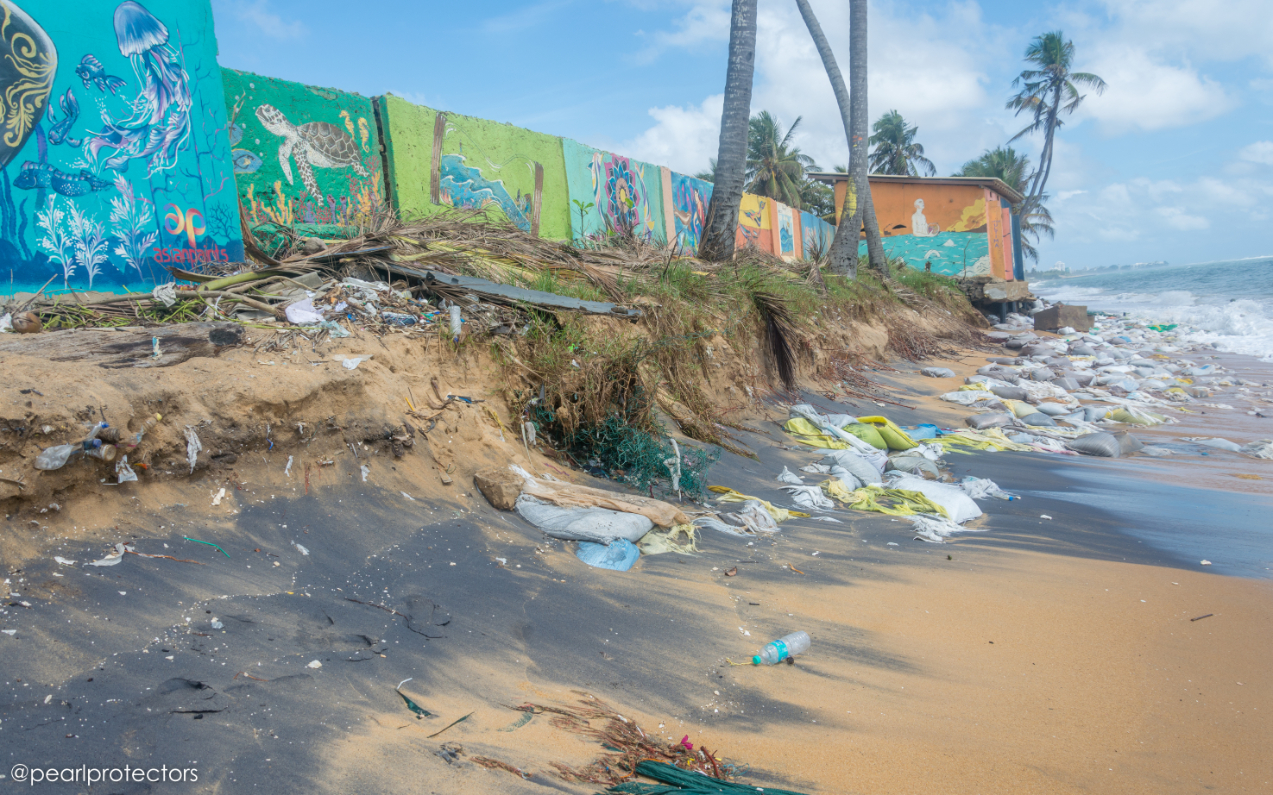
Coastal erosion in Sri Lanka is a complex phenomenon driven by both natural forces and human activities, creating a challenge that affects not just the environment but people’s lives and livelihoods. Naturally, the island is troubled by two major monsoon systems each year, and powerful waves and ocean currents reshape the shoreline, sometimes carrying sand and soil deeper into the sea. Over time, these forces can wear away beaches that once seemed permanent, making people feel as though the sea is reclaiming the land piece by piece.
The western and southern coasts, which are densely populated and important for tourism, have been particularly affected. In these areas, the loss of beaches has not only reduced natural beauty but also threatened livelihoods that depend on fishing and tourism. For families who have lived close to the sea for generations, watching the ocean move closer each year can be unsettling, as it challenges their sense of stability and belonging.
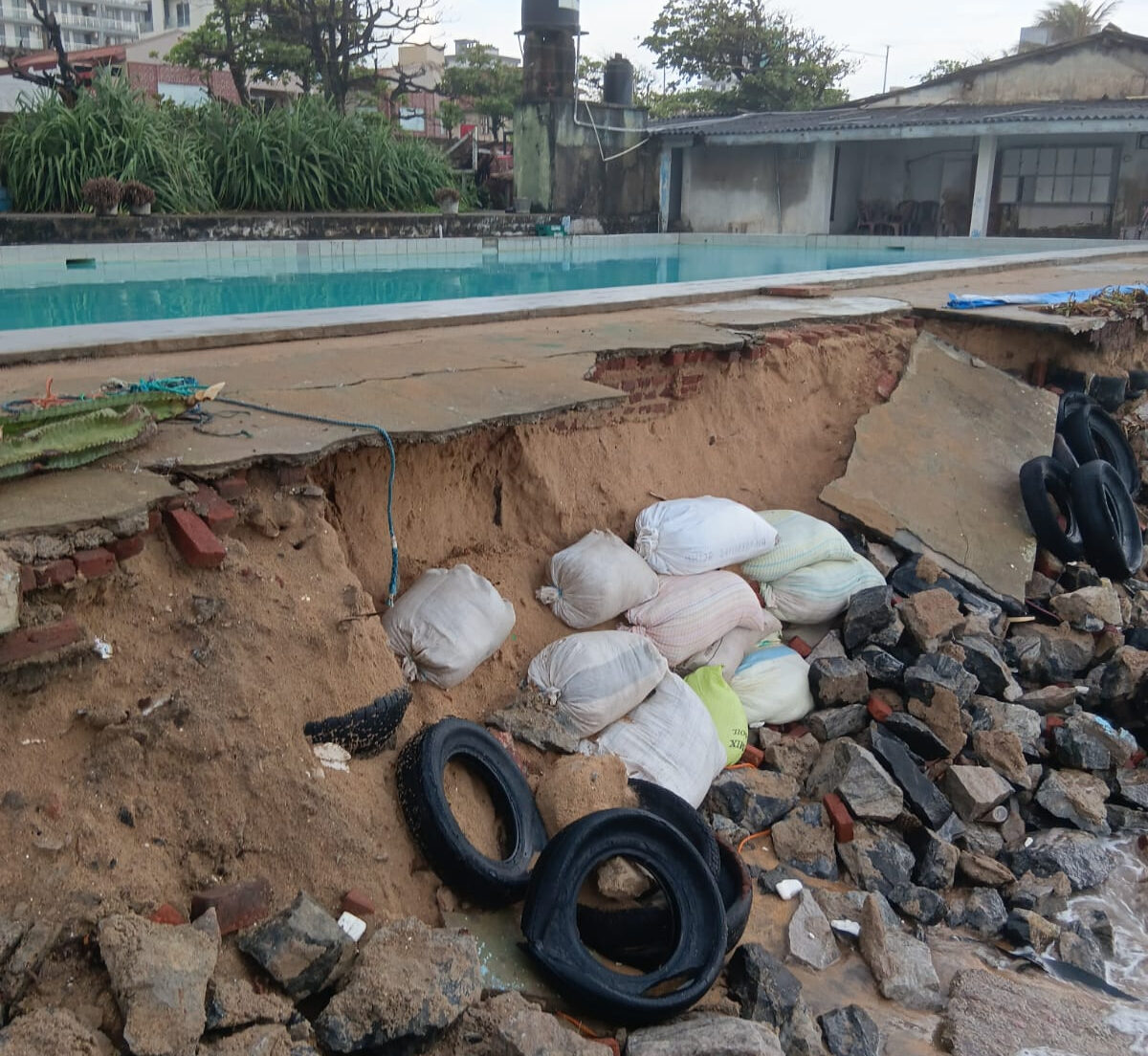
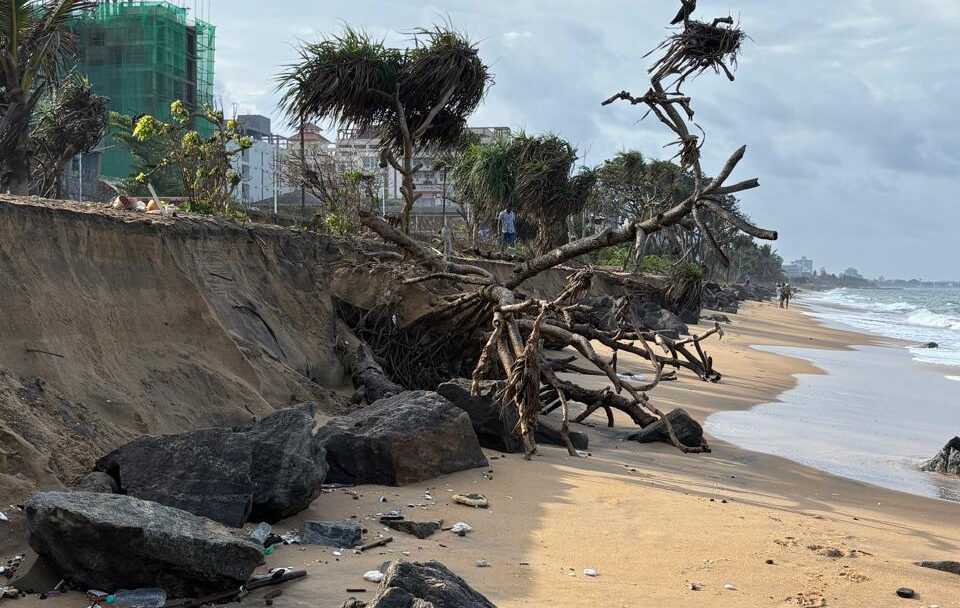
Human influences have worsened this natural process in many coastal zones. Activities like sand mining, poorly planned construction of walls and harbours, removal of coastal vegetation, and coral extraction have weakened the natural defenses of the shoreline, making it easier for the sea to encroach inland. In some cities, you can already see where roads, rail lines, and even homes have been undermined, reminding us that coastal erosion is not just about landscapes, but about homes and futures being shifted by relentless tides.
In addition to natural forces and human activities, climate change has intensified the severity of coastal erosion in Sri Lanka. Rising sea levels, higher storm surges, and unpredictable weather patterns make the shoreline more vulnerable to damage. For example, in the eastern coastal town of Trincomalee, heavy seasonal waves combined with rising sea levels have led to the gradual loss of sand from beaches, affecting local fishing communities who rely on safe landing spots for their boats. Similarly, in the south, areas like Galle and Matara have experienced repeated erosion events that have washed away parts of roads and small fishing harbors, forcing families to relocate.
Extreme weather events, such as Cyclone Ditwah, have further exposed the fragility of Sri Lanka’s coasts. The cyclone brought unusually strong winds and waves that battered the northeastern coastline, causing immediate erosion of sandy beaches and damaging infrastructure near the shore. These events highlight how sudden, severe storms can accelerate processes that would otherwise take years, leaving communities struggling to recover and rebuild.
Another contributing factor is the loss of natural coastal barriers. Coral reefs, seagrass beds, and mangroves once acted as protective buffers against waves and storms. Over the years, many of these have been degraded through unsustainable fishing practices, tourism development, and removal of vegetation for construction. The depletion of these natural defenses has left coastal villages more exposed to the relentless push of the sea. For instance, in the Jaffna Peninsula, communities have noticed that without dense mangrove cover, high tides now reach further inland than they did decades ago, slowly altering the landscape and local ecosystems.
Coastal erosion also intersects with social and economic vulnerabilities. In areas like Negombo, where tourism is a major source of income, the disappearance of beaches not only affects livelihoods but also threatens cultural landmarks and local festivals that revolve around the coast. Children who once played safely along wide sandy shores now face shrinking beaches, while older generations witness the erosion of familiar landscapes, creating a sense of loss that goes beyond the physical.
Yet, despite these challenges, there is a resilient spirit among communities and scientists alike who strive to balance development with conservation. Communities have started responding with innovative approaches to protect their coastlines. Mangrove restoration projects in Negombo and Batticaloa have shown promise in reducing the impact of waves and stabilising sand, while community-led monitoring programs help track erosion rates and warn residents of urgent threats. These initiatives underscore the importance of blending scientific understanding with local knowledge to face the ongoing challenge of a shifting shoreline.
In the end, the story of coastal erosion in Sri Lanka is not just about land lost to the sea; it is also about connections to home, the deep respect we hold for our shores, and the shared responsibility to care for them, so that future generations can walk barefoot on the same beaches where we once did.