
By: Moira Alfred
The vast seas that border the island nation of Sri Lanka are under expanding pressure. These bodies of water are extremely precious to the nation’s food security, economy, and biodiversity, and they are coming under threat in immeasurable ways. It is a fact, recorded and evident, and therefore easily observable, that if the current trend continues, the alarming degradation of the seas in and around Sri Lanka will continue.
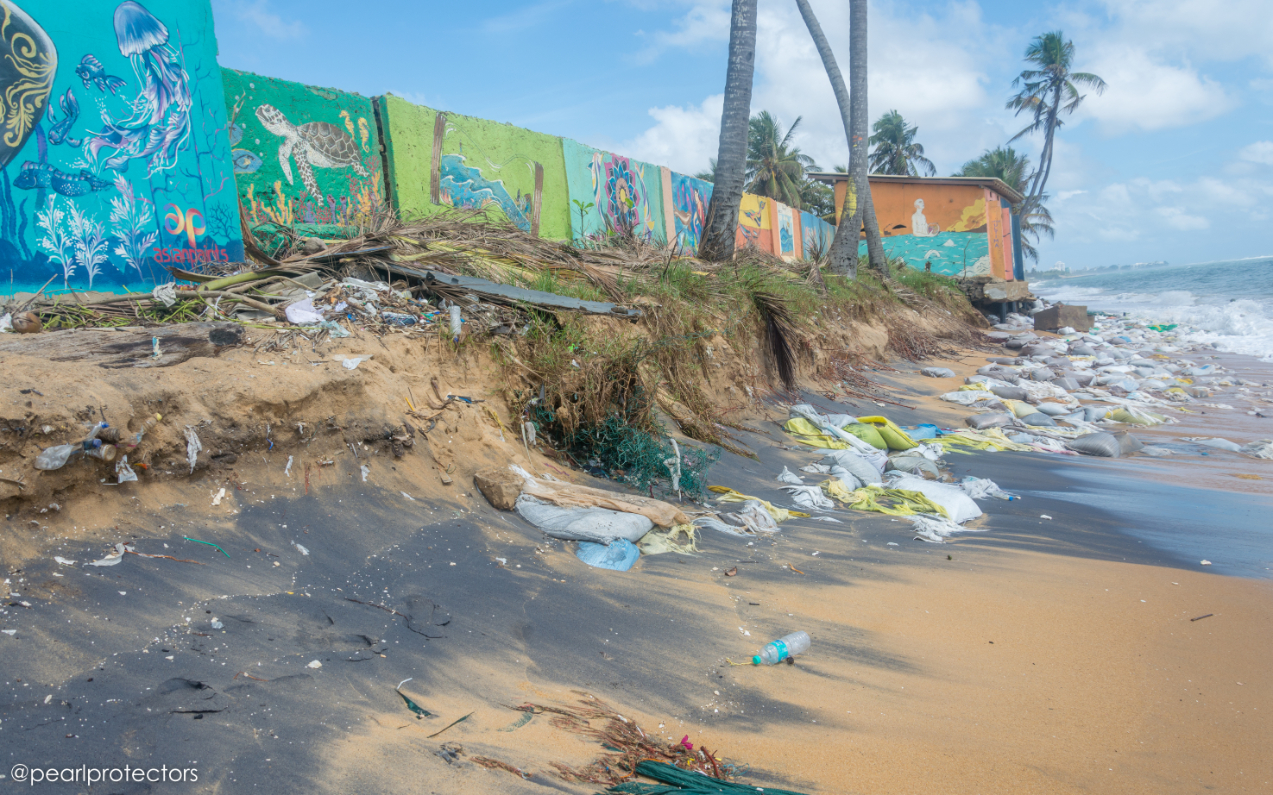
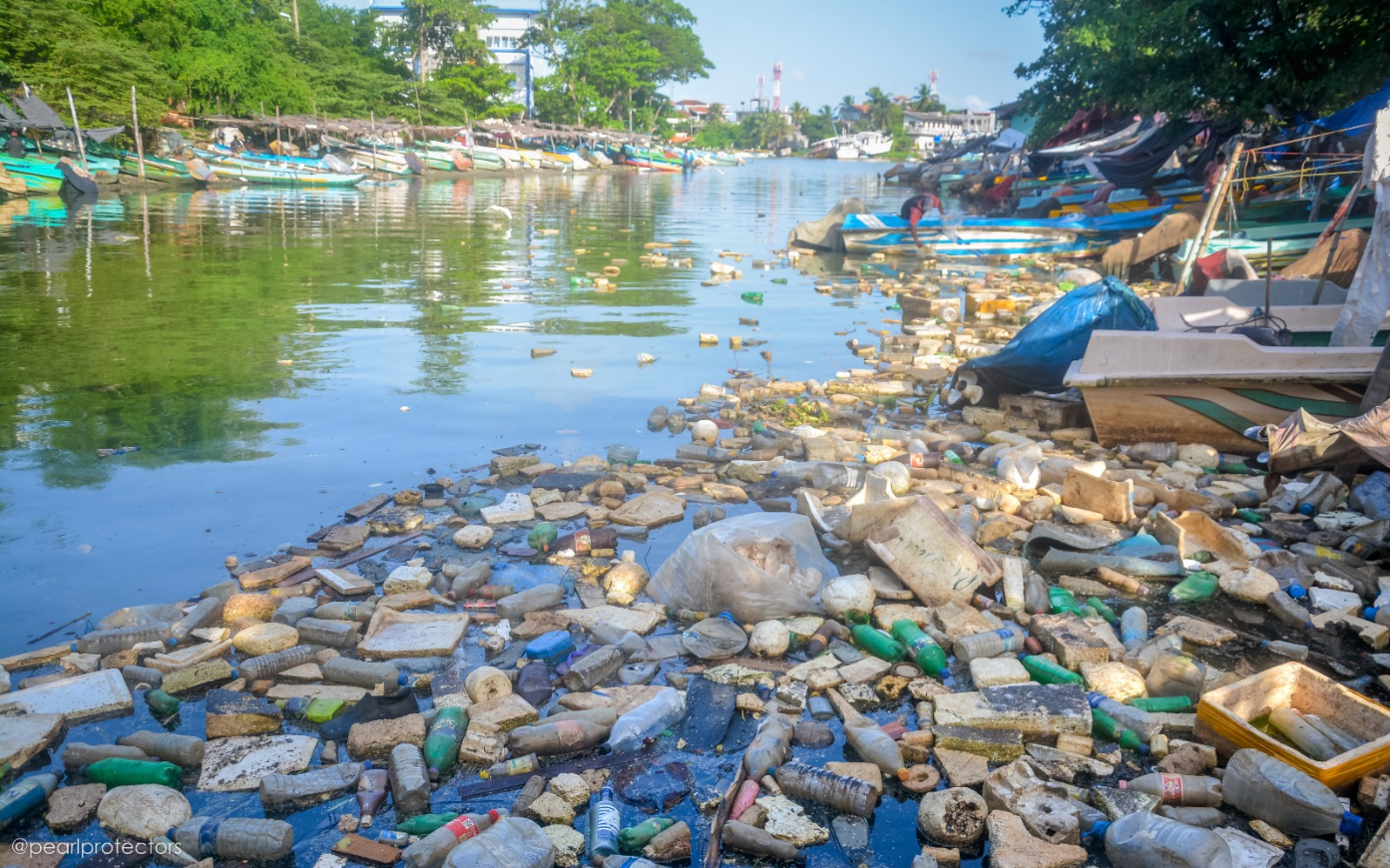
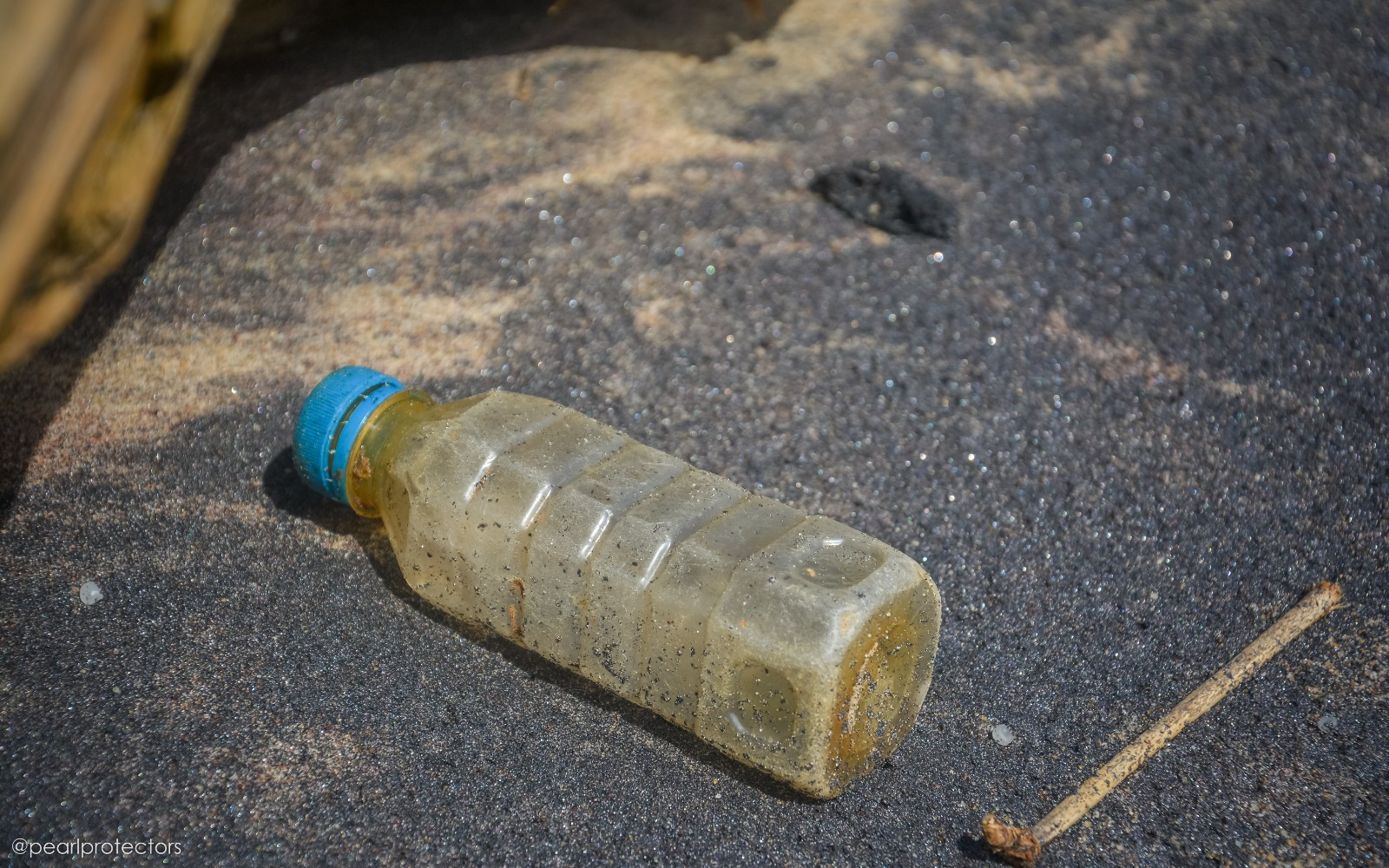
One of the most pressing environmental issues in Sri Lanka is plastic pollution. Its coastlines, including fishing grounds and marine biodiversity sites such as Bar Reef and Pigeon Island, are regularly filled with plastic litter that comes from both land and sea-based activities. Single-use plastics and microplastics have been known to contaminate the country’s sea waters and beach sands, damaging marine life that ingests the material or gets entrapped in it.
As if this were not enough, microplastics have been known to contaminate species of fish consumed by communities in the country, threatening the safety of the food chain and the health implications associated with the consumption of this plastic material. Inefficient waste management and the absence of any sophisticated means to recycle, or the practices associated with domestic consumption, contribute to this problem. When plastic waste piles up in higher quantities, the quality of the beaches in Sri Lanka gets impacted with negative repercussions on the tourism industry as well as the basic ecosystem of the marine environment.
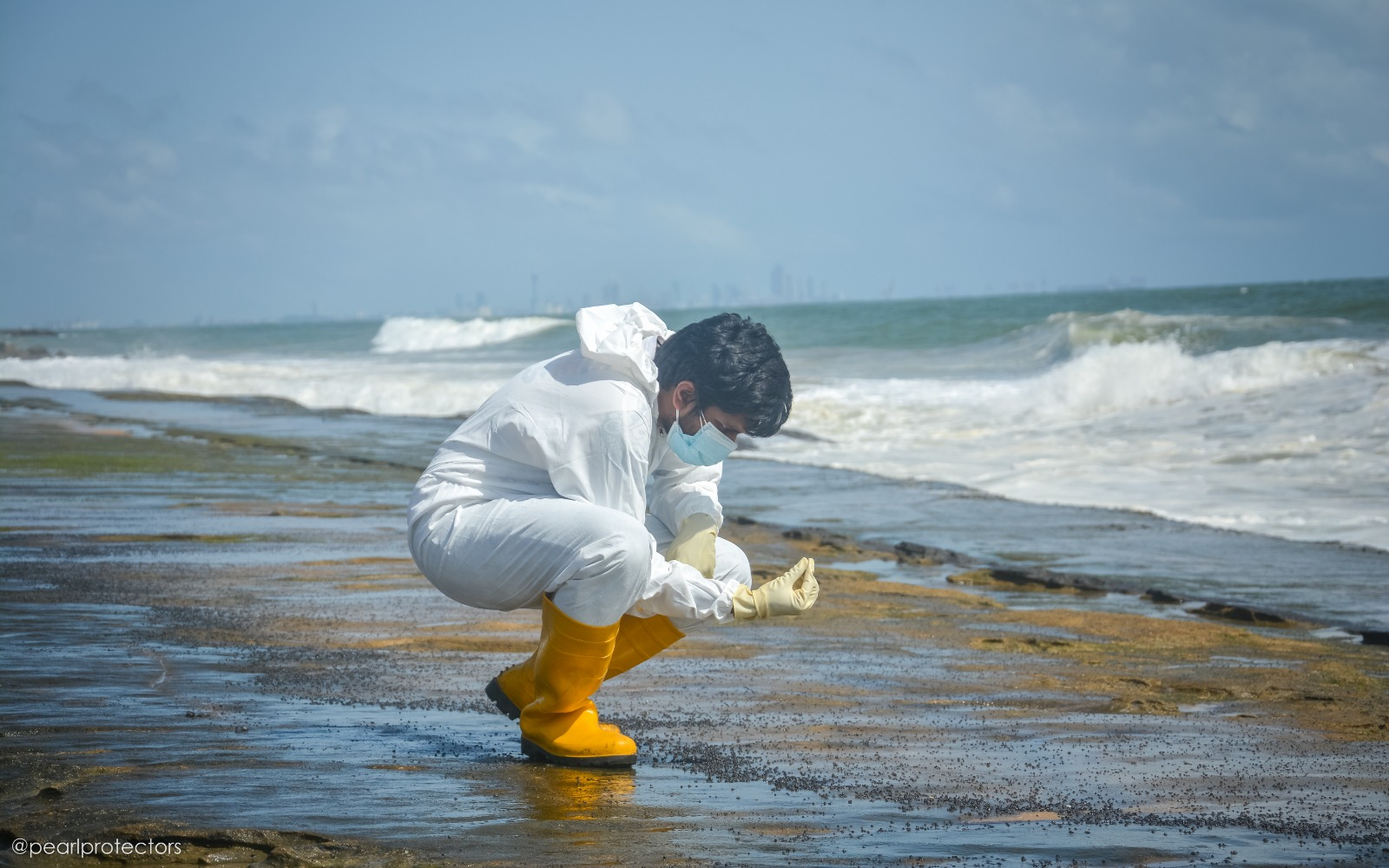
Historical pollution disasters are also threatening marine ecosystems. The 2021 sinking of the container ship MV X-Press Pearl off Colombo released millions of plastic pellets and chemicals into the sea, one of the worst marine pollution incidents in the nation’s history. The Supreme Court of Sri Lanka, in one such case where compensation was sought for wide-ranging ecological damage, underlined just how grave and long-lasting such disasters can be. This disaster led to delayed fishing bans that disrupted coastal economies and caused widespread harm to sea turtles, dolphins, and fish populations.
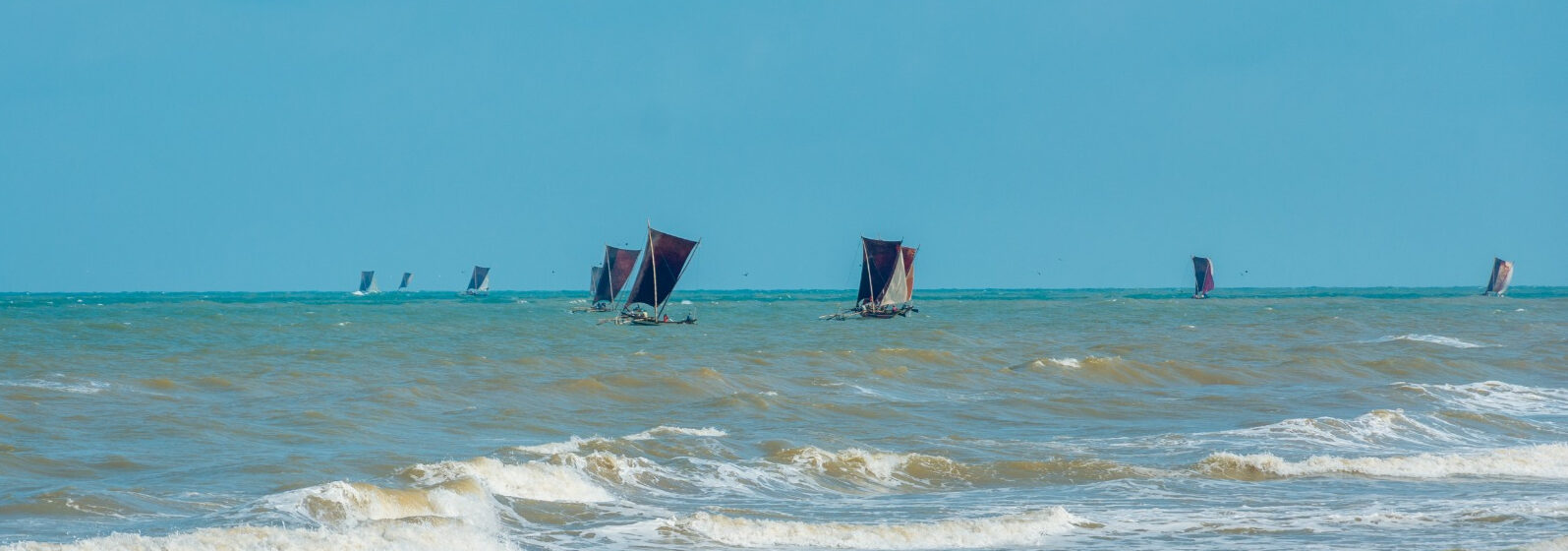
Overfishing and harmful fishing practices further stress marine ecosystems. Unregulated and illegal fishing gear has reduced fish stocks and destroyed important habitat structures such as coral reefs and seagrass beds. Combined with pollution, these pressures have contributed to dramatic declines in fish populations that many coastal communities depend on for their protein and income. Climate change adds to these problems. A warming ocean and resultant coral bleaching damage reefs, which provide vital nurseries for fish. If reefs are not actively protected, they will continue to decline in strength, and this will negatively impact biodiversity and any future shocks to the environment.
Nevertheless, there are some viable methods for improving these conditions. Improvements in waste infrastructure and recycling will go a long way in limiting plastic waste that eventually ends up in the ocean. Citizen awareness programs that promote a change in consumption patterns away from plastic will help facilitate these changes. Implementation of existing legislation and formulation of new legislation that penalize offenders will help, as already witnessed in a lawsuit filed by Sri Lanka. Conservation efforts for habitats such as coral reefs and mangrove forests will help promote an improvement in biological diversity and will help enhance fish stocks. Citizen-initiated projects such as cleaning events and responsible fishing methods have already demonstrated positive results and can be expanded with the help of governments.
A new year presents a prospect to align science, policy, and public engagement toward regenerating Sri Lanka’s marine environment. Prevention is more effective than remediation. Provided with clear policies and community action, pollution, overfishing, and habitat loss can be dealt with today, and save the Sri Lankan oceans for generations to come.
Image Credits: The Pearl Protectors