


Sunscreen Pollution: How our protection affects marine life

By Dilshani Maralanda

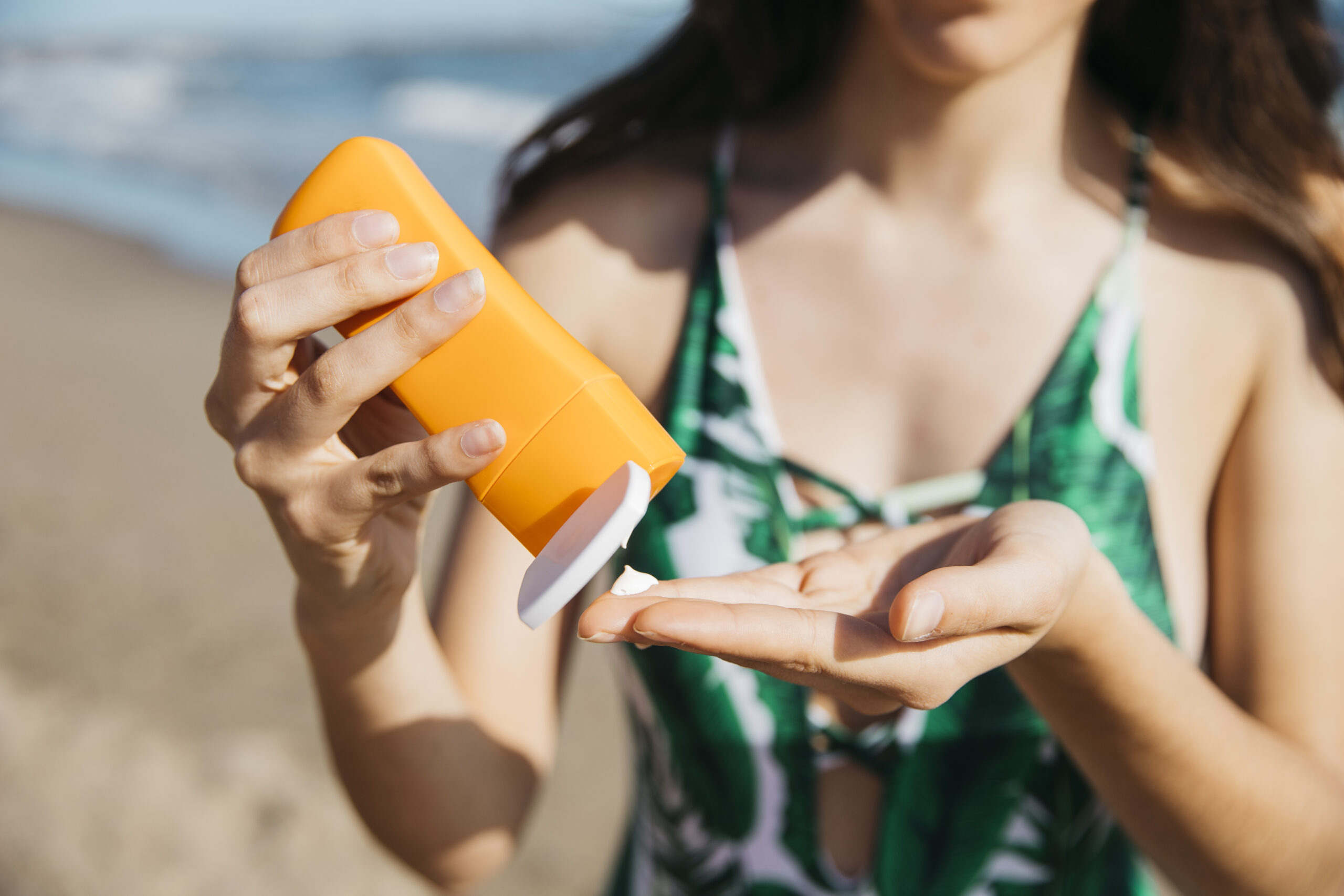
When we slather on sunscreen before a day at the beach, we think about protecting our skin from harmful UV rays. But have you ever considered what happens to it once it washes off into the water? The truth is, the very products designed to protect us pose a serious threat to marine ecosystems.

The Hidden Ingredients in Sunscreen

Sunscreens contain a mix of organic and inorganic UV filters to shield our skin from solar radiation. Common organic UV filters include oxybenzone, octinoxate, and avobenzone, while inorganic filters often use zinc oxide and titanium dioxide, sometimes in nanoparticle form. These chemicals effectively block UV rays, but they are far from harmless to the ocean.

How Sunscreen Chemicals Enter Marine Ecosystems

Every time we swim, surf, or walk along the beach, sunscreen washes off our bodies and into the water. It’s not just direct contact, sunscreen chemicals also enter the ocean through untreated wastewater runoff. Even spray sunscreens settle on beach sand, only to be swept into the sea by waves or rain. Once in the water, these chemicals begin harming marine life.

The Devastating Impact on Marine Life

Research shows that UV filters in sunscreens have catastrophic effects on marine organisms. From corals to fish to microscopic plankton, no creature is spared. Studies have documented:

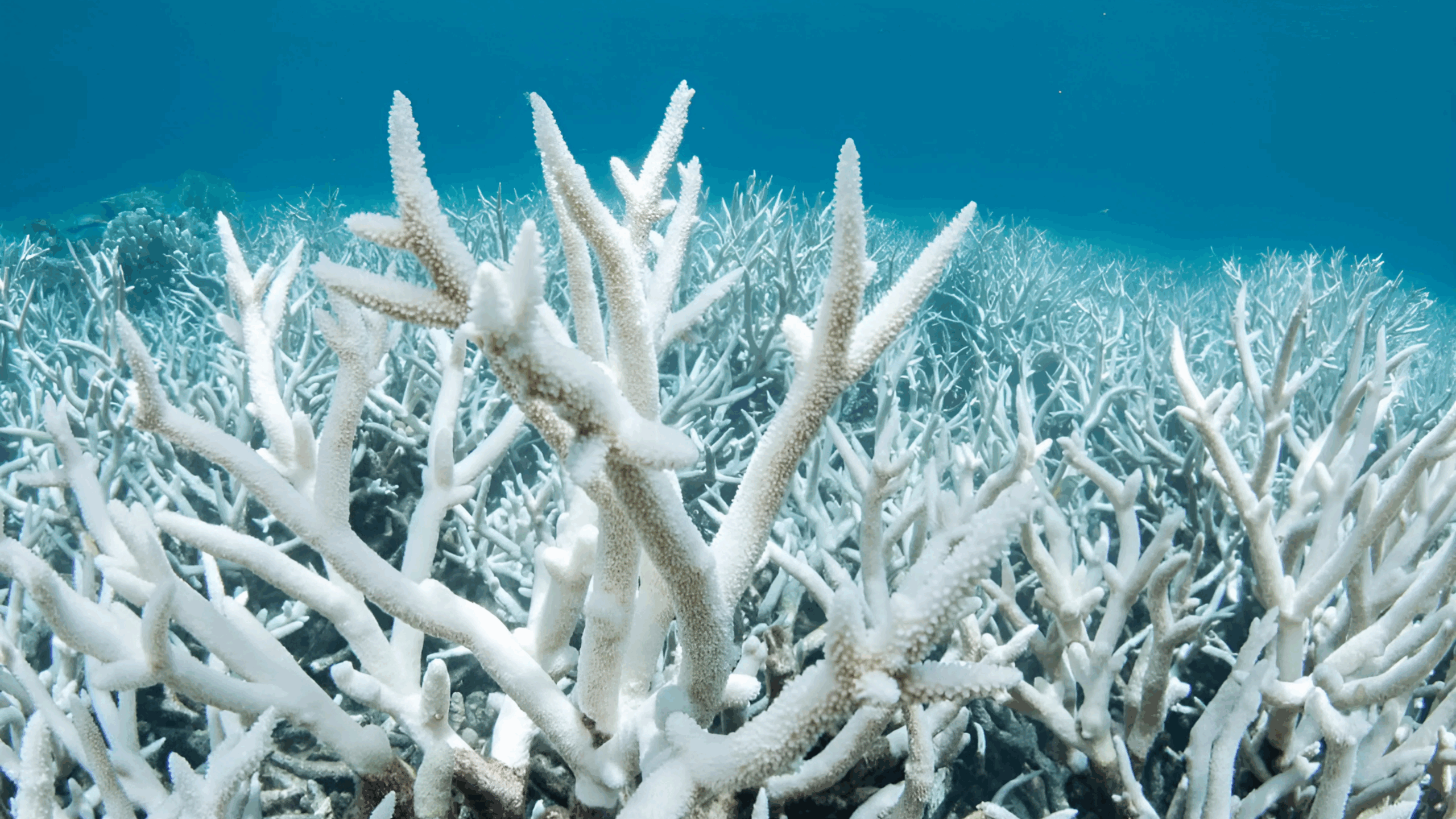
  • Coral Bleaching: Chemicals like oxybenzone disrupt the symbiotic relationship between corals and their algae, leading to bleaching and death.
  • Toxicity: Both acute and chronic exposure can cause cellular damage, genetic mutations, and reproductive issues in marine species.
  • Behavioral Changes: Fish exposed to sunscreen chemicals exhibit developmental and behavioral abnormalities.
  • Endocrine Disruption: These chemicals interfere with hormone systems, affecting growth and reproduction in marine life.

What Can We Do?

The good news is we can take action to protect both our skin and the ocean:

  1. Switch to Reef-Safe Sunscreens: Choose mineral-based sunscreens with non-nano zinc oxide or titanium dioxide, which are less harmful.
  2. Cover Up: Wear UV-protective clothing, hats, and sunglasses to reduce sunscreen use.
  3. Spread Awareness: Educate others about sunscreen pollution and advocate for bans on harmful ingredients.
  4. Support Research: Encourage studies on the long-term effects of sunscreen chemicals on marine ecosystems.

Marine life already faces threats from climate change and plastic pollution. Sunscreen pollution is one problem we can address immediately. By choosing eco-friendly alternatives and advocating for change, we protect the oceans while safeguarding our skin. The ocean’s future depends on the choices we make today.

Leave a Reply