
By Rojie Ekanayake

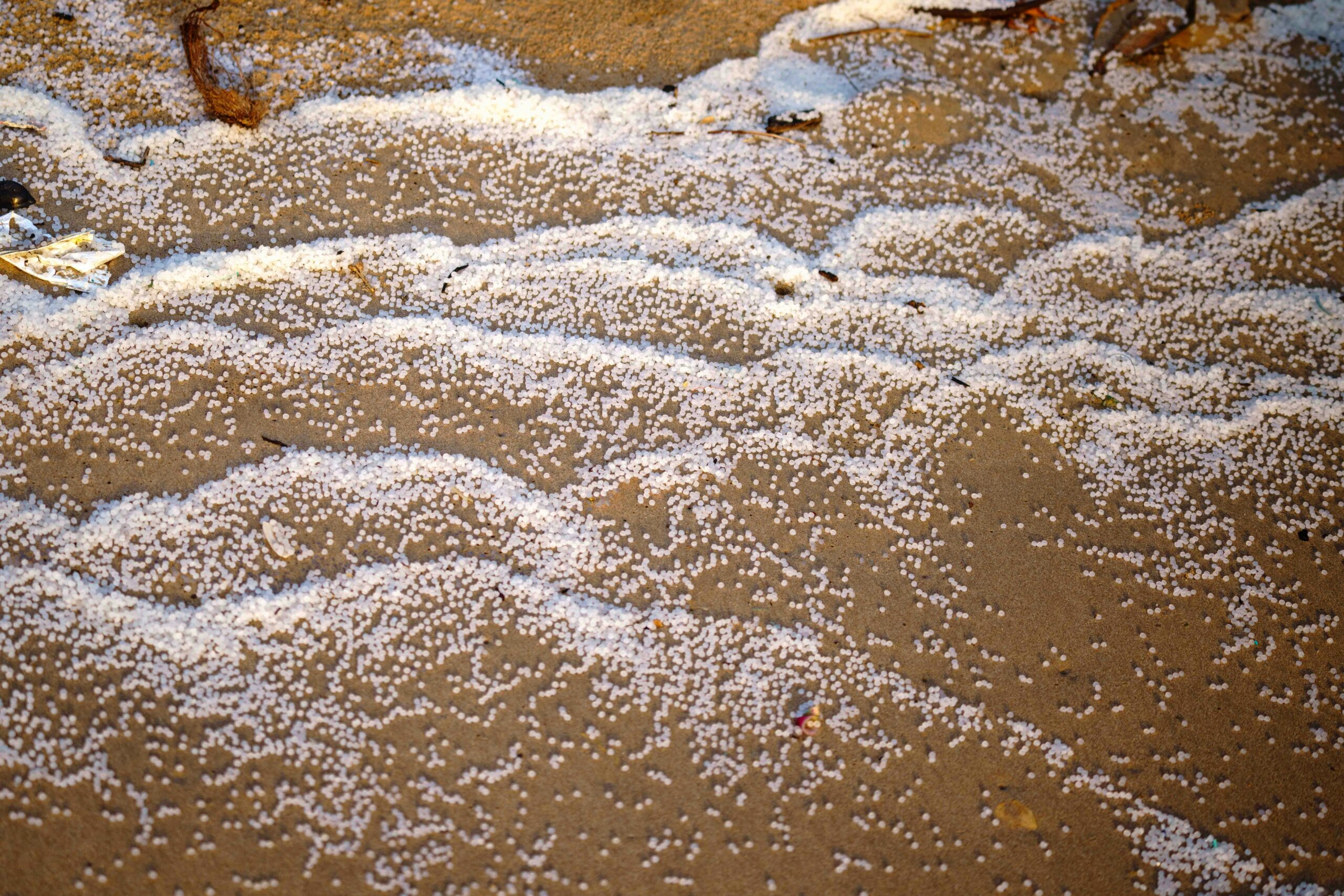
Have you visited a beach in Sri Lanka in the past few years and noticed something that wasn’t there before? If you’ve spotted small, lightweight objects resembling lentils or beads, they might be nurdles, plastic pellets used as raw material to manufacture plastic products. But how did they get there?

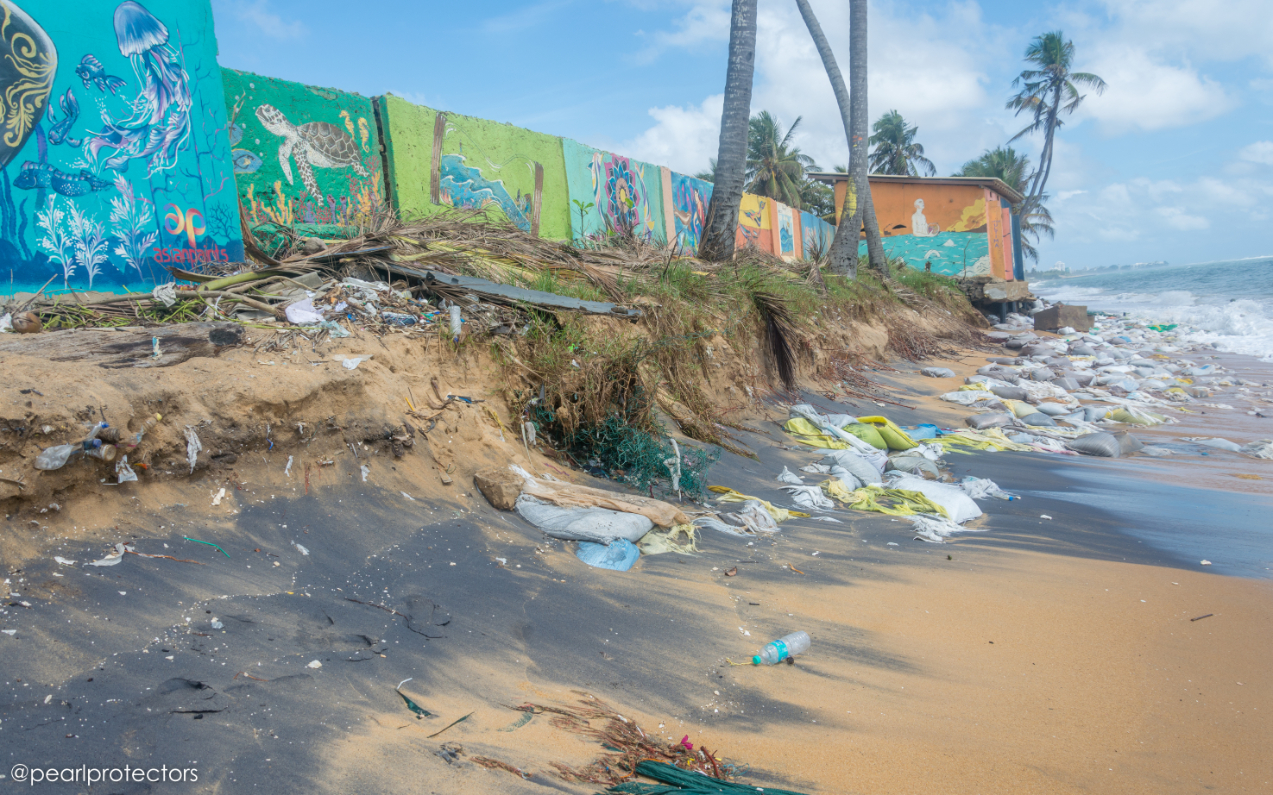
In May 2021, Sri Lanka faced its worst marine disaster when the MV X-Press Pearl caught fire off the coast of Colombo, releasing hazardous materials into the sea. Among them were nurdles, which proved particularly difficult to clean up. These tiny pellets devastate marine life, as animals mistake them for food. Even worse, they can travel up the food chain, eventually affecting human health. Nurdles are also alarmingly resilient. Four years later, they continue to wash up on beaches along the western coast. And when these pellets eventually break down, they persist as microplastics, further polluting the environment.

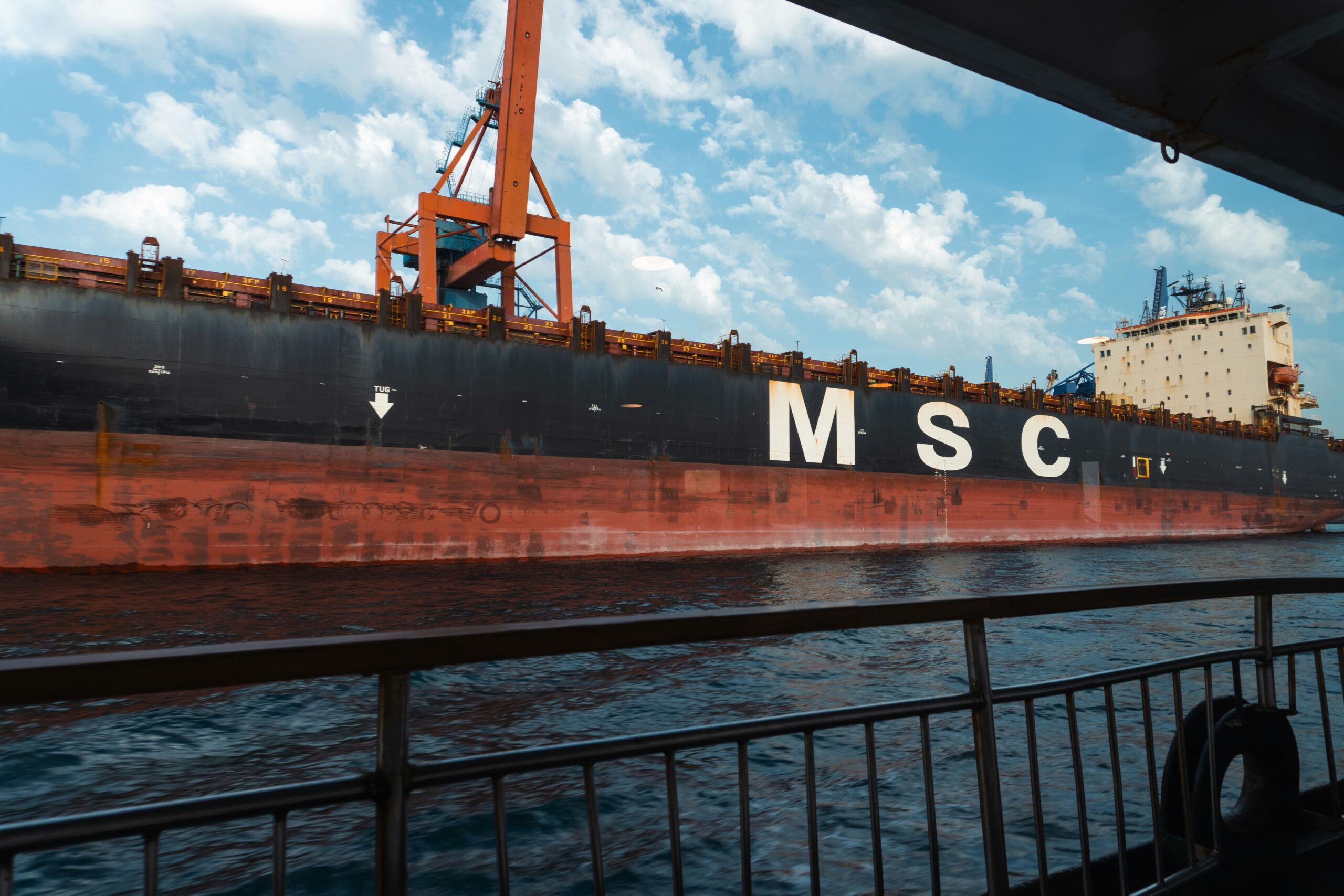
Recently, even more nurdles have been washing ashore. This new wave is linked to an incident in May 2025, when the vessel MSC Elsa 3 sank off the coast of Kerala, India. What began near India has now reached northern Sri Lanka, with nurdles drifting southward, threatening an environment still recovering from the earlier disaster. Compounding the problem, this latest spill could hinder efforts to investigate the initial incident and secure compensation for damages. To make matters worse, yet another ship, the MV Wan Hai 503, caught fire just weeks later. These disasters show no signs of stopping, leaving us with a critical question: How do we confront this growing crisis?

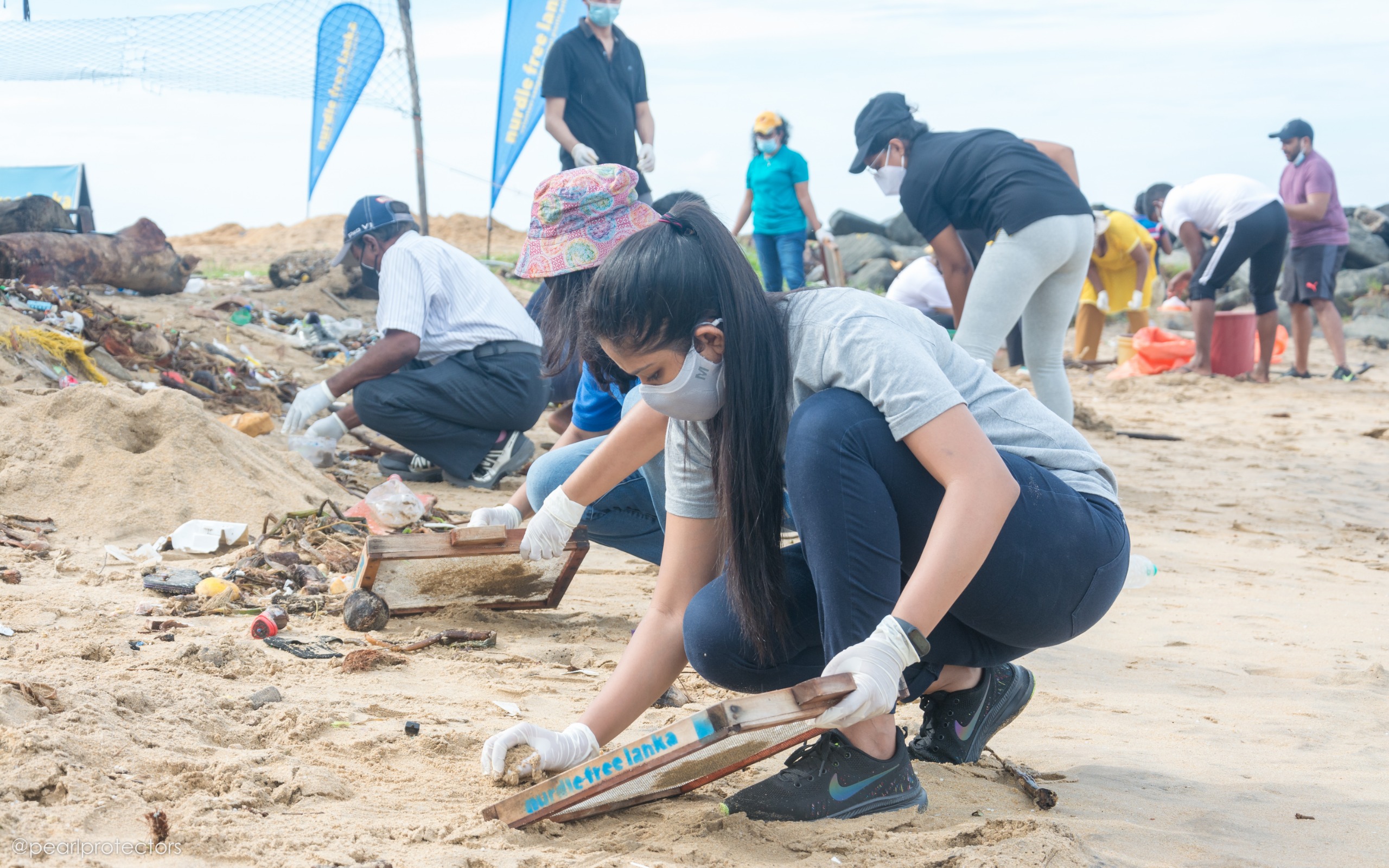
Addressing this issue requires collective action. Governments must strengthen national regulations and build capacity to contain spills when they occur. International collaboration is also essential to improve industry-wide safety standards for transporting nurdles. Meanwhile, companies should reduce their reliance on plastics, especially single-use plastics, which drive demand for nurdles. Citizens, too, have a role to play: by pressuring companies and governments to act, participating in beach cleanups, supporting data collection, and raising awareness about this issue.

Together, we can mitigate the devastating impact of nurdles on our planet. With sustained effort, we might one day enjoy nurdle-free beaches in Sri Lanka once again.

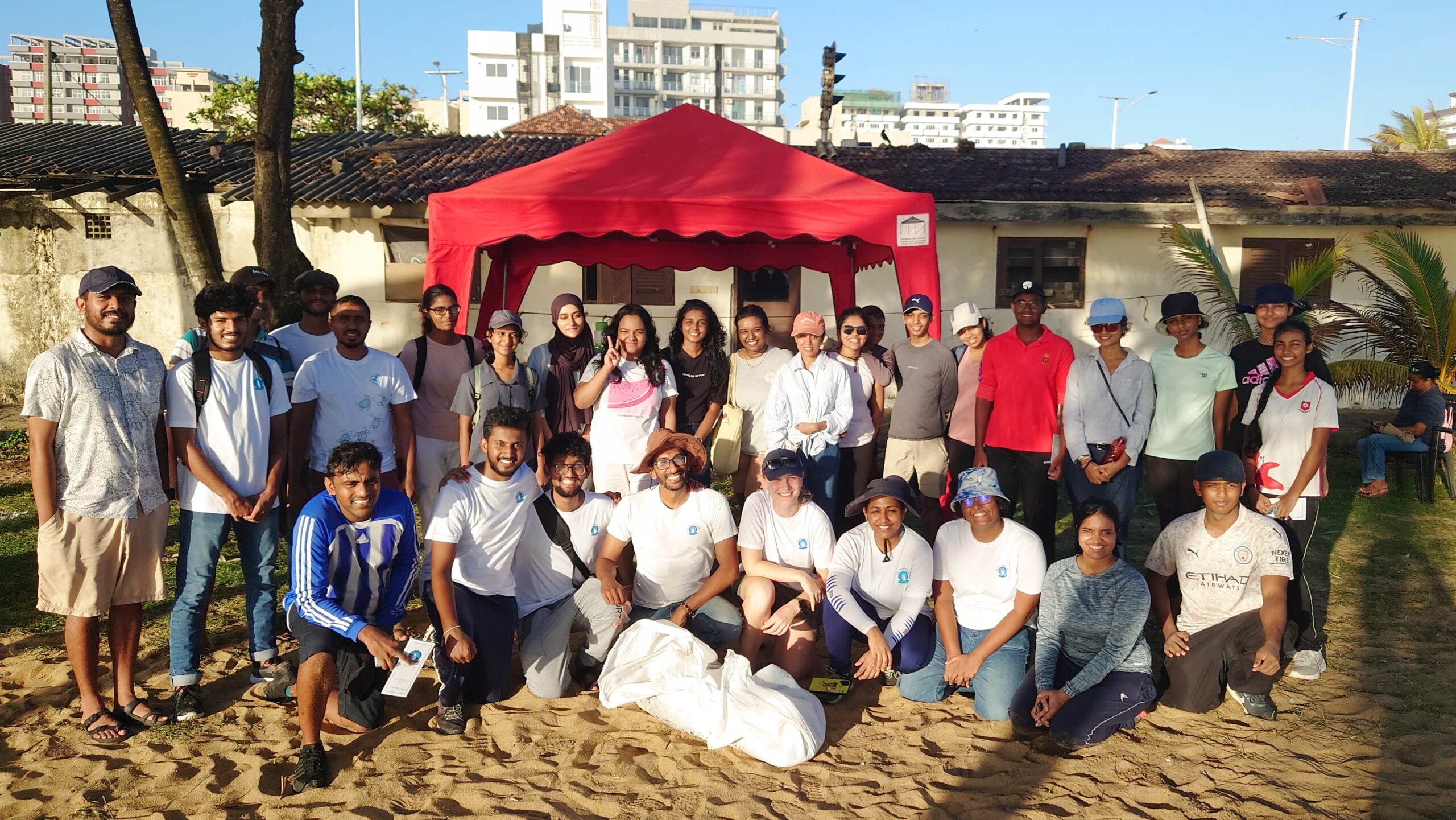
The first nurdle cleanup of 2025 organized by The Pearl Protectors took place at Wellawatta Beach, where 32 dedicated volunteers collected 24 kg of nurdles, contributing to cleaner and safer coastlines

Leave a Reply