
By Malith Withanage Don

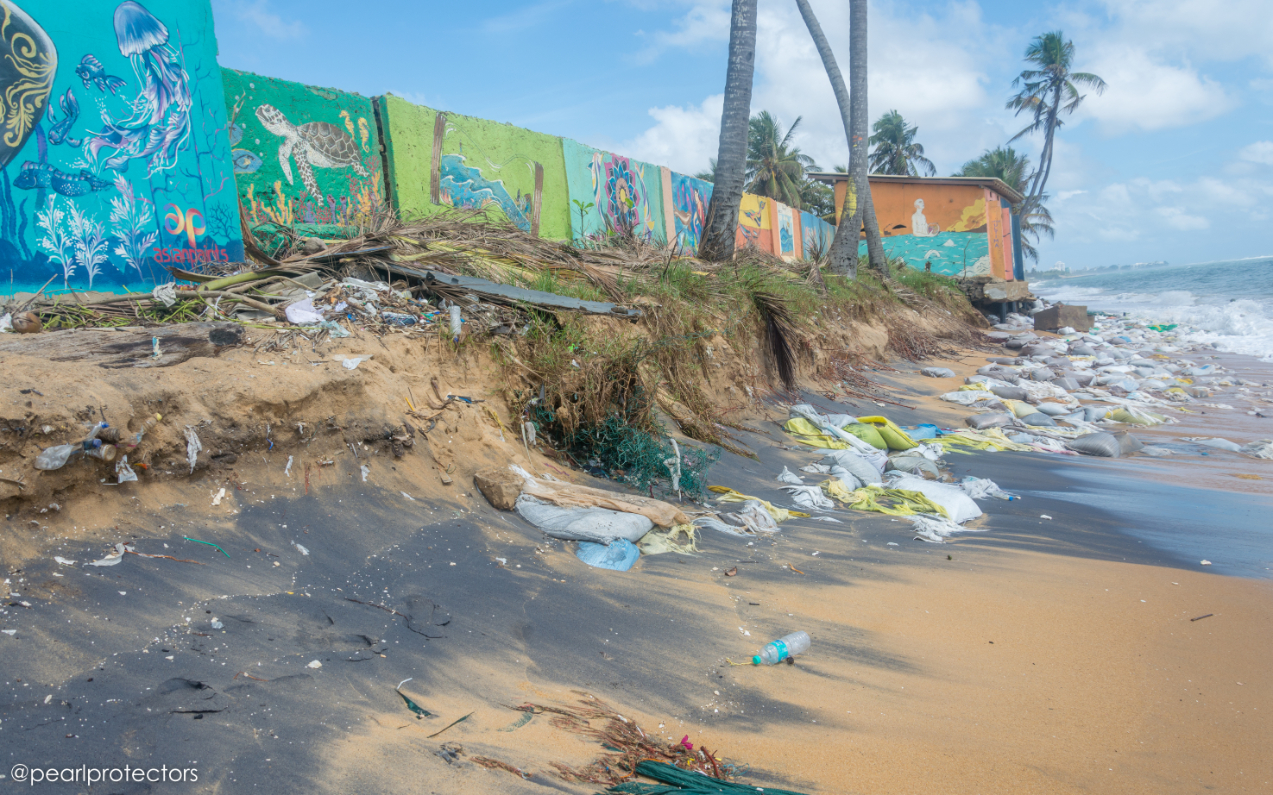
Sri Lanka was one of the countries most severely impacted by the 2004 tsunami, the worst environmental disaster the nation has ever faced. In a single day, nearly 30,000 lives were lost. While tsunamis are natural disasters, their impact can be influenced by environmental factors, including the presence or absence of mangroves.

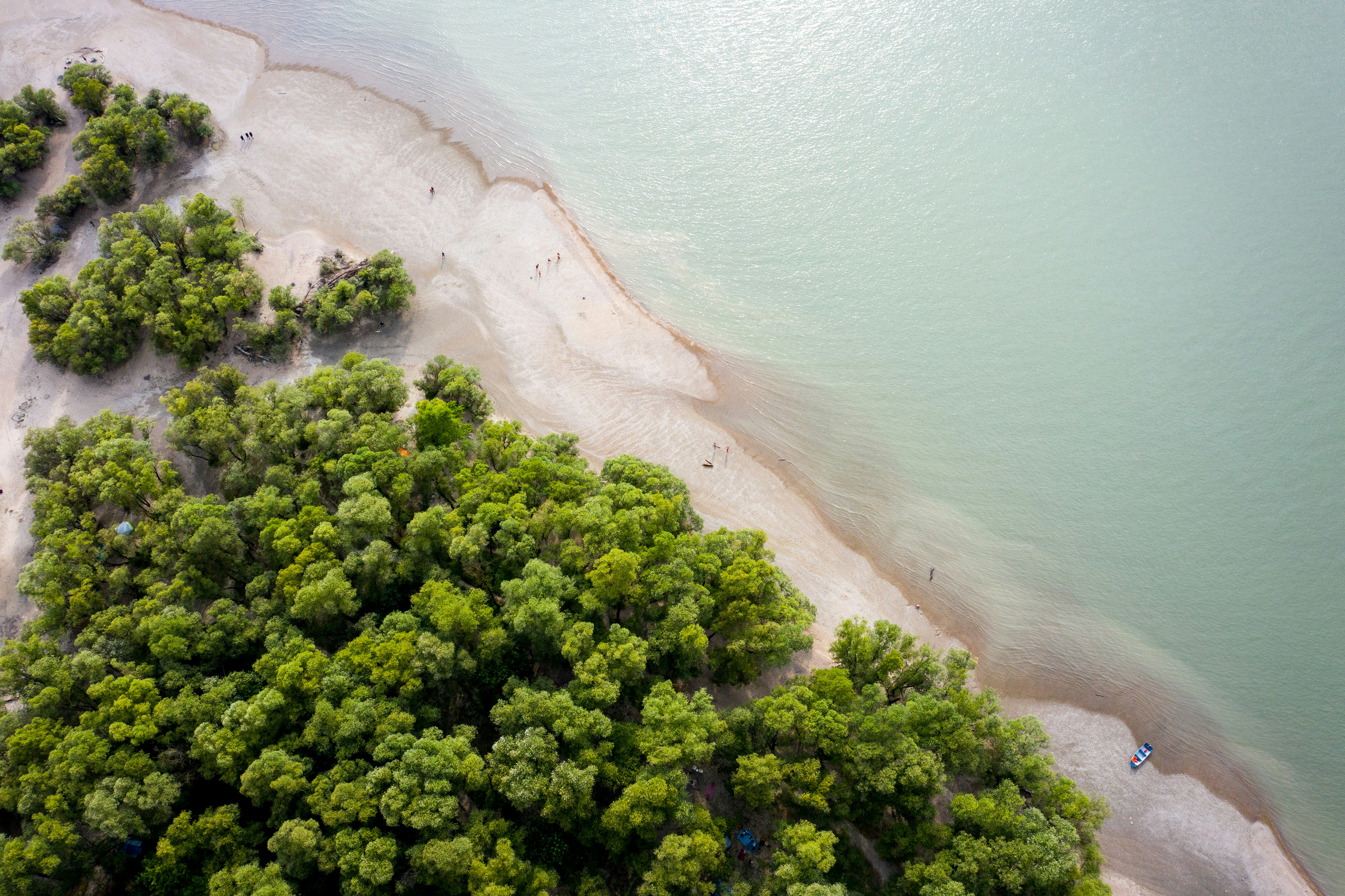
According to the International Union for Conservation of Nature (IUCN), Wanduruppa, a coastal village in Sri Lanka, lost approximately 6,000 lives during the tsunami, whereas the neighboring village of Kapuhenwala recorded only two fatalities. The crucial difference? The village with fewer casualties was protected by 200 hectares of dense mangrove barrier, while the other had lost its mangrove cover over time.

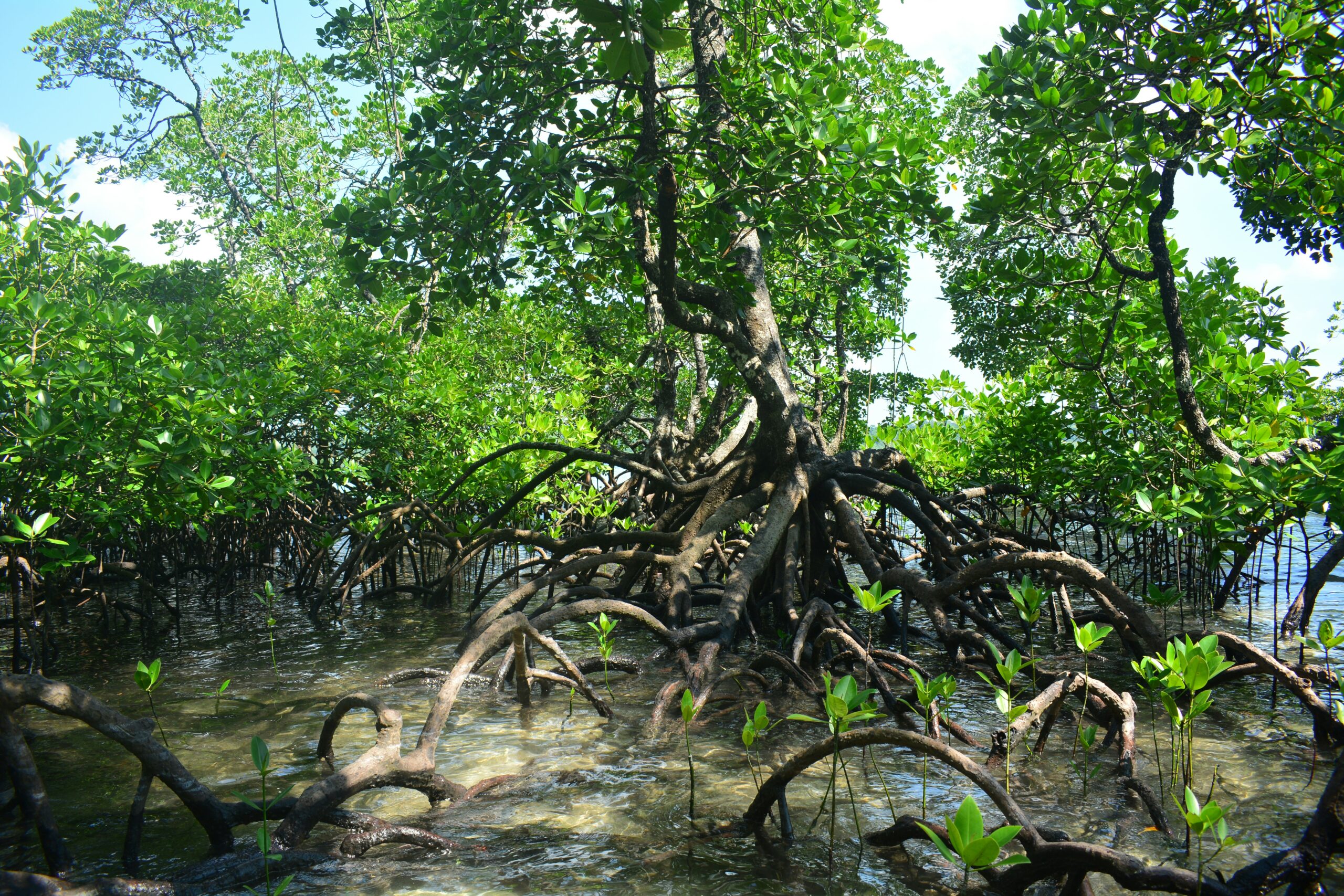
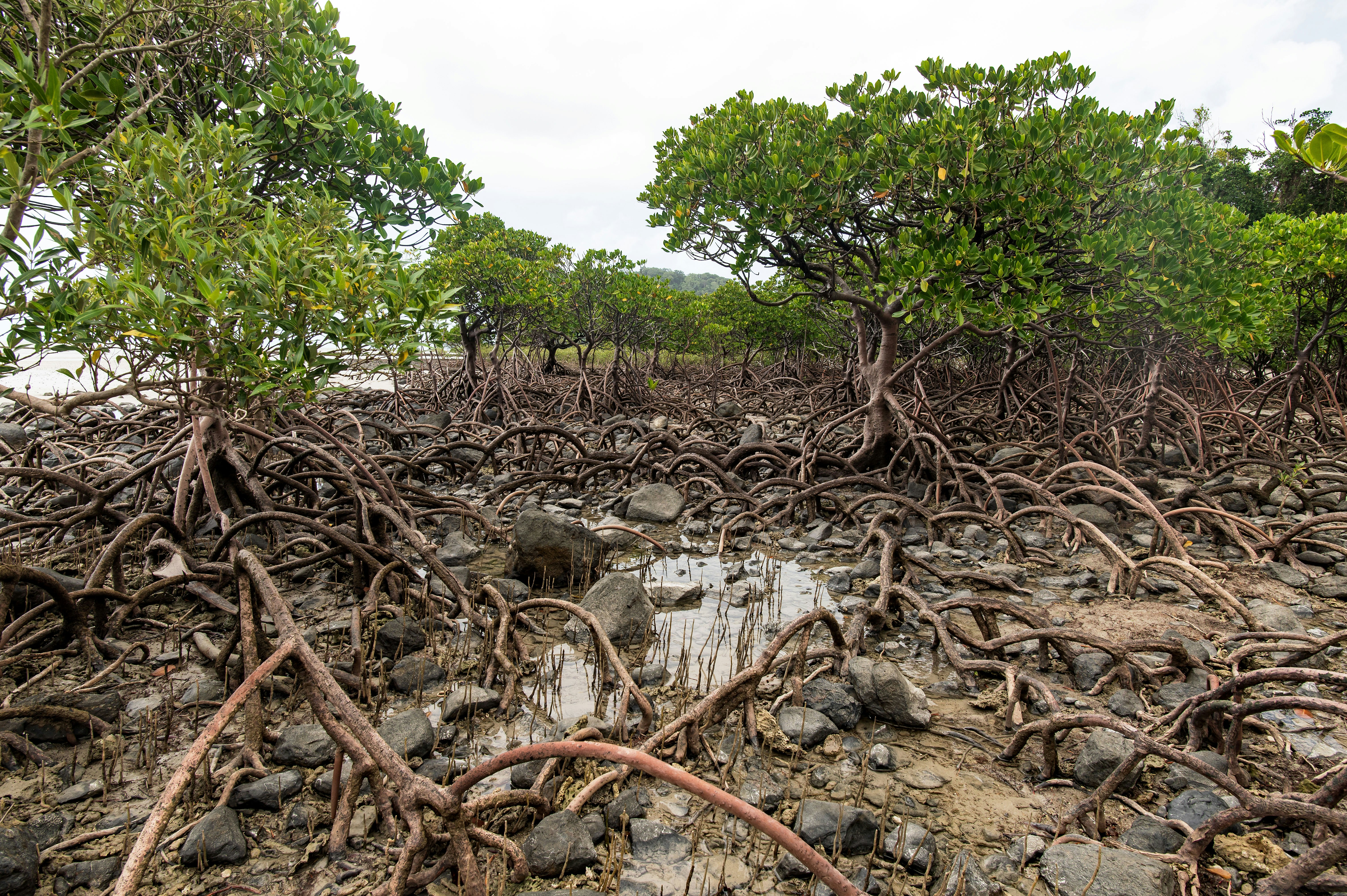
Scientific studies confirm that mangroves act as natural shields during tsunamis by absorbing and dissipating wave energy. Research by Tanaka et al. highlights that Rhizophora apiculata species, with their intricate aerial root systems, are particularly effective in mitigating tsunami damage compared to other coastal vegetation.

Beyond tsunami protection, mangroves provide numerous ecological benefits. They prevent coastal erosion, serve as breeding grounds for fish, and contribute to the overall health of marine ecosystems. However, mangrove deforestation has been ongoing for quite some time. While both natural and human-induced factors play a role, findings from research carried out by Liza et al. summarize that between 2000 and 2016, 62% of global mangrove loss was due to land-use changes, particularly conversion to aquaculture and agriculture.

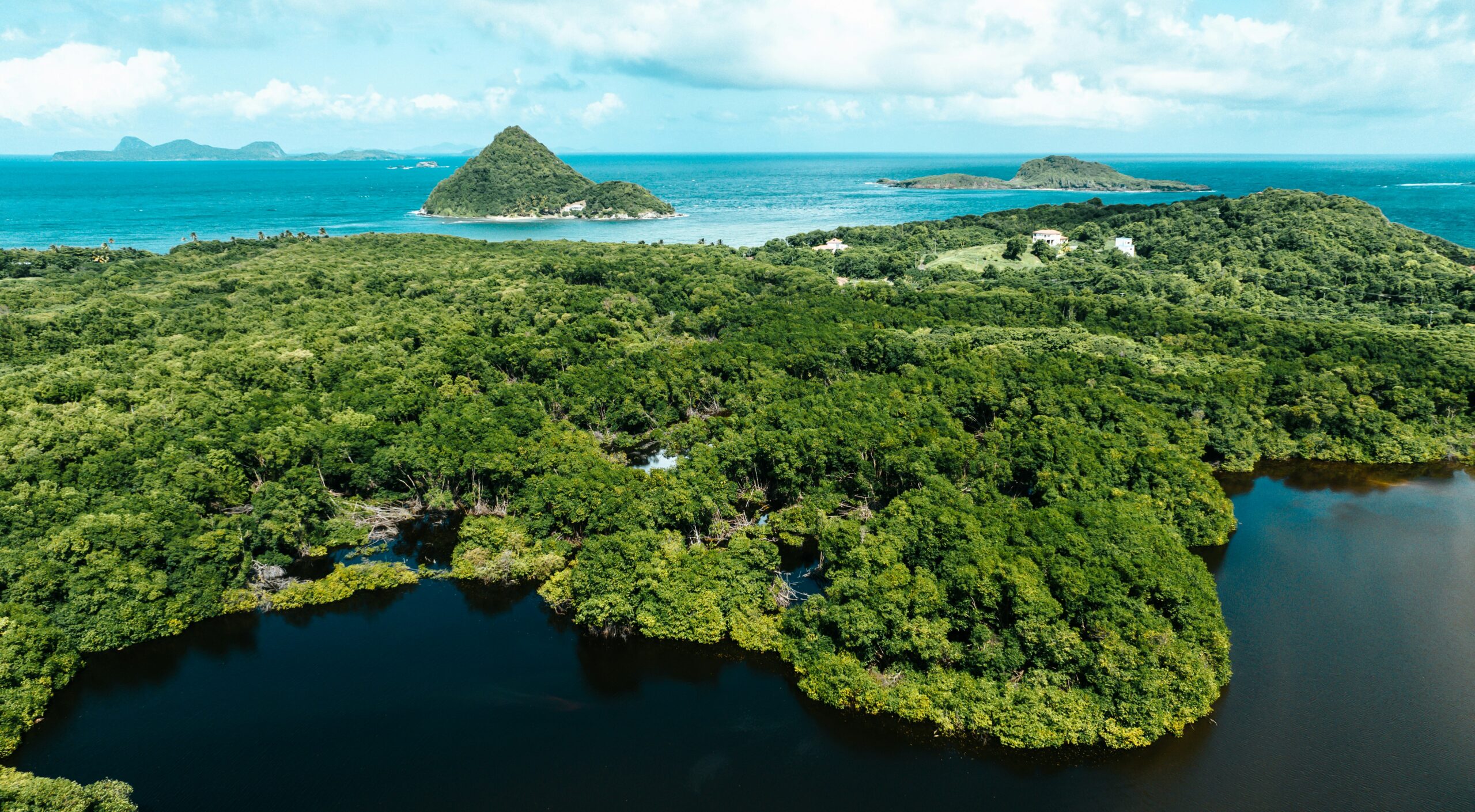
On a positive note, the 2004 tsunami served as a wake-up call, prompting significant mangrove restoration efforts. Sri Lanka has led the way, becoming the first nation to legally protect all its remaining mangrove forests in 2015. Apart from government-backed protective legislation, a well-organized and community-driven conservation program was launched with the contribution of Seacology and the Sri Lanka-based NGO Sudeesa. Their approach goes beyond traditional reforestation: through job-training and microfinance programs, 15,000 impoverished Sri Lankans have been given sustainable ways to earn a living without cutting down mangroves. This initiative aims to protect all 8,815 hectares of Sri Lanka’s existing mangrove forests and replant 3,885 hectares using seedlings raised in three Seacology-funded mangrove nurseries.

I recently had the privilege of visiting the Mangrove Museum in Chilaw, Sri Lanka, the first of its kind. During my visit, I had an insightful conversation with Mr. Douglas Thisera, an expert in the field and a pioneering figure in frontline mangrove conservation in Sri Lanka. In my next article, I will share insights from our discussion on the realities of mangrove conservation and which approaches have been most effective. 

Leave a Reply