
How tiny organisms could save our seas from climate change

By: Thusitha Bulathgama

The hidden role of microbial oceans

We all know that millions of invisible organisms – bacteria, viruses, archaea, protists, and fungi – live on this planet. In our oceans, these tiny beings dominate life so much that about 90% of the ocean’s total living biomass comes from microbes.

Just beneath the ocean’s surface lies a hidden world filled with phytoplankton, bacteria and microscopic algae. These tiny organisms sustain marine life, feeding everything from small fish to giant whales, forming the very base of the marine food web. Their importance, however, extends far beyond the sea. Phytoplankton alone produce nearly half of the Earth’s oxygen through photosynthesis. That is more than all of the world’s forests combined. Though invisible to the naked eye, these microbes are the real powerhouses that fuel life in the oceans and beyond.

Their significance lies not in their size but in their massive impact. Microbes act as the driving forces of ecosystems, helping organisms access nutrients and food they otherwise would not. They also maintain healthy marine environments by breaking down waste, recycling nutrients and even preventing diseases.

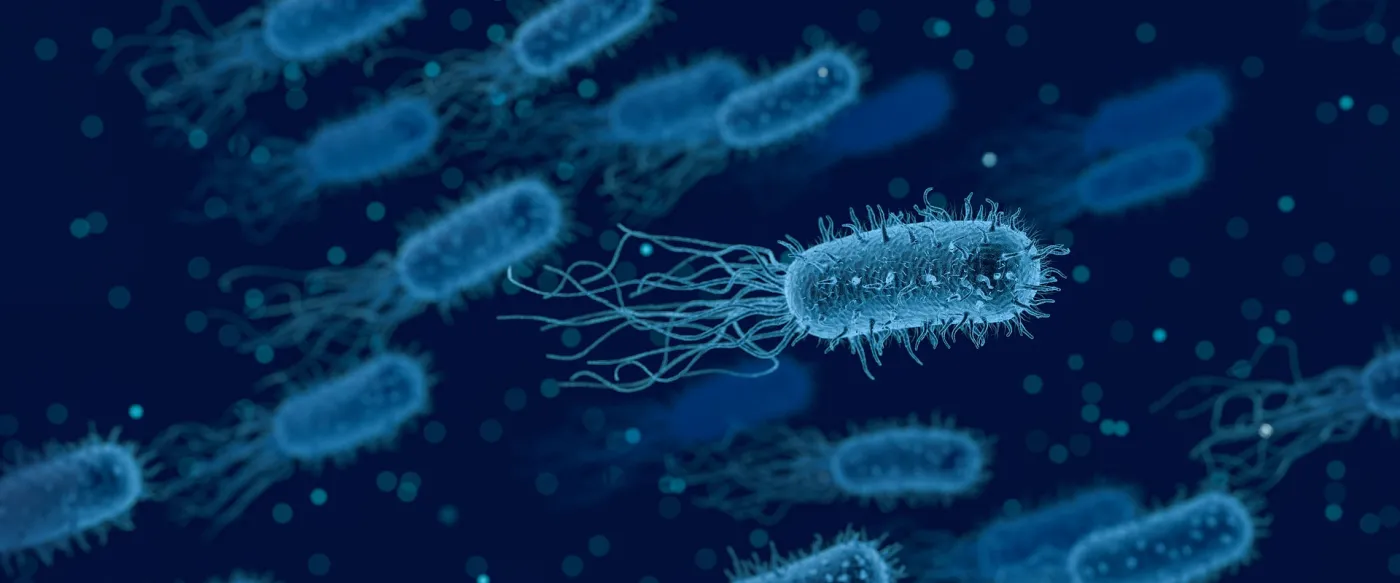
Marine Microbes - Image Credits: Ocean Si Edu

In short, these microscopic beings are essential for a flourishing ocean ecosystem – without them, our world would function very differently. A microbe is incredibly small and does not belong to one single group, yet collectively, they hold up entire ecosystems. They also combat climate change by absorbing carbon dioxide, producing oxygen, recycling nutrients, regulating temperature and supporting resilient marine life, keeping our planet in balance.

Marine microbes also influence the Earth’s climate in remarkable ways. Many produce and process a compound called dimethylsulfoniopropionate (DMSP). This compound releases dimethyl sulfide (DMS), a gas that helps form clouds and affects rainfall patterns and the planet’s reflectivity. These processes shape the global sulfur and carbon cycles, both critical for climate regulation. By aiding cloud formation and storing carbon in deep ocean layers, these tiny organisms help stabilise global temperatures and slow the impacts of climate change.

However, these microbial communities face increasing threats.

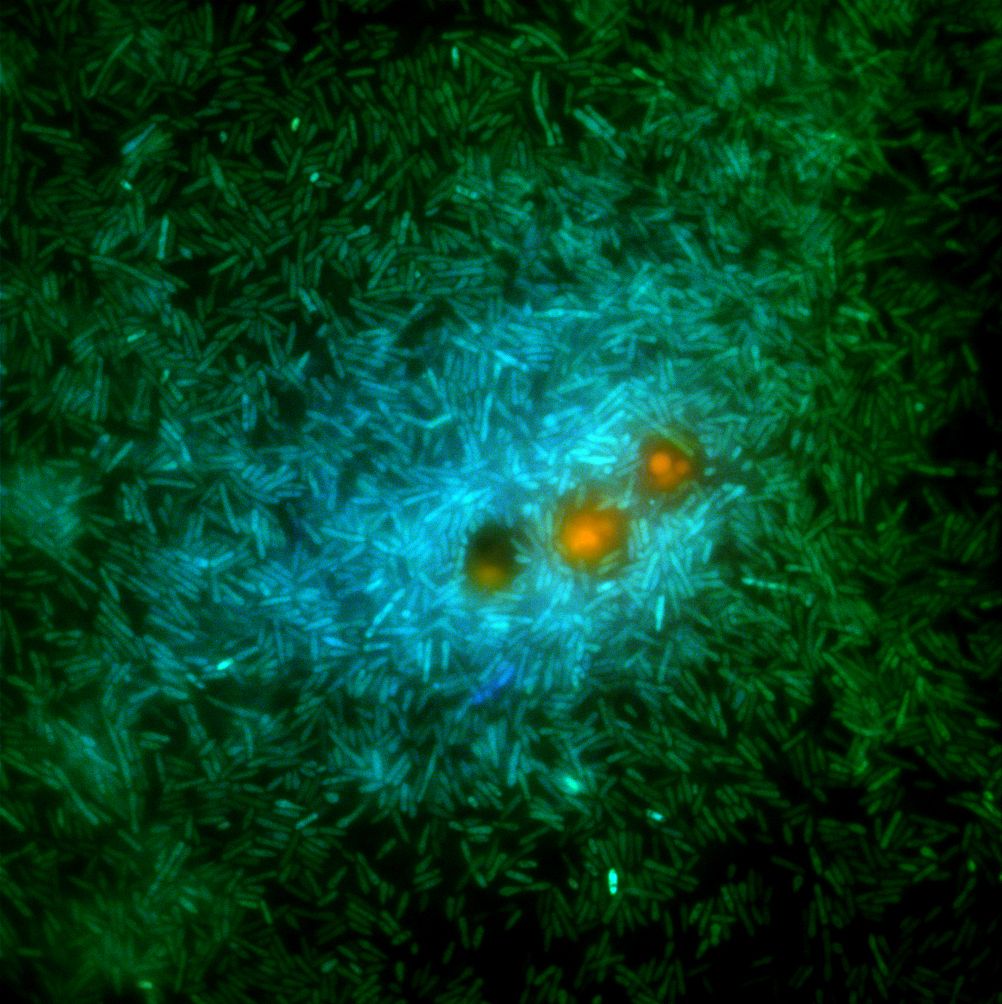
Ocean microbes - Image Credits: News.Mit.Edu

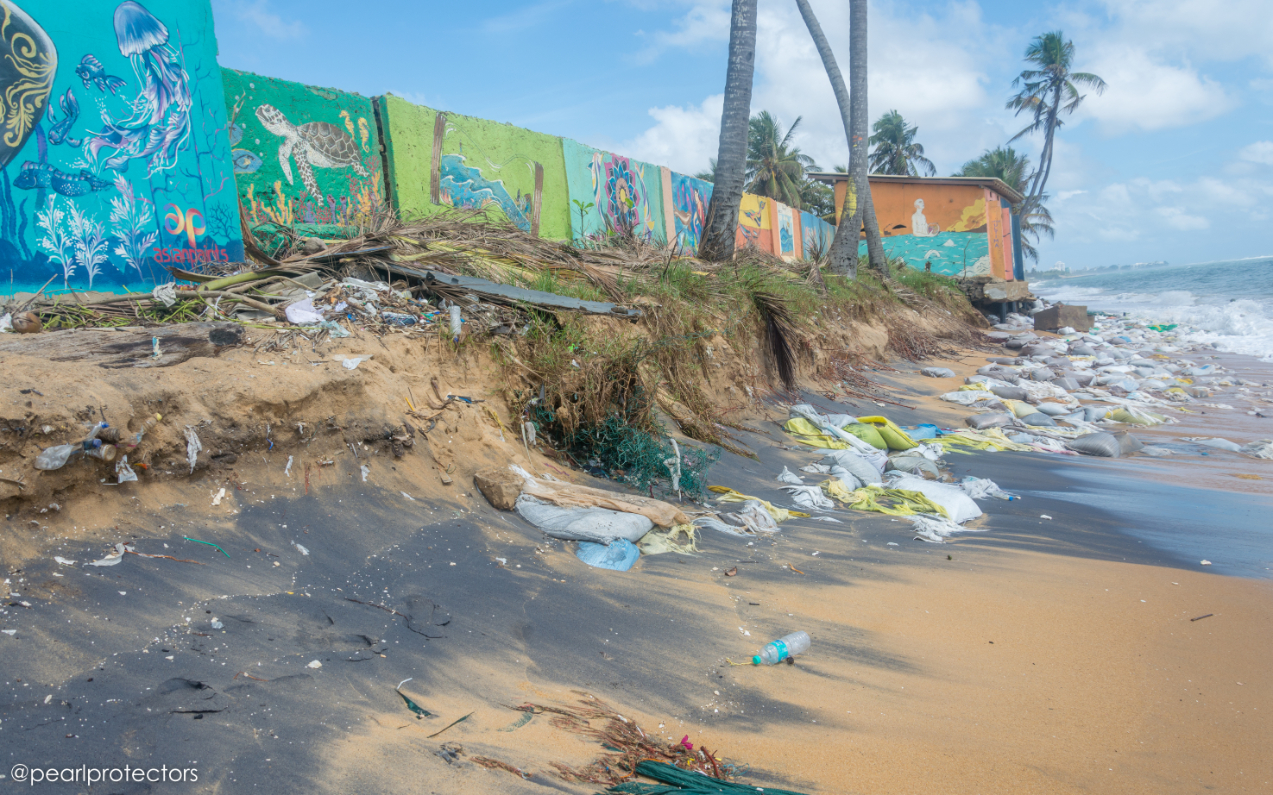
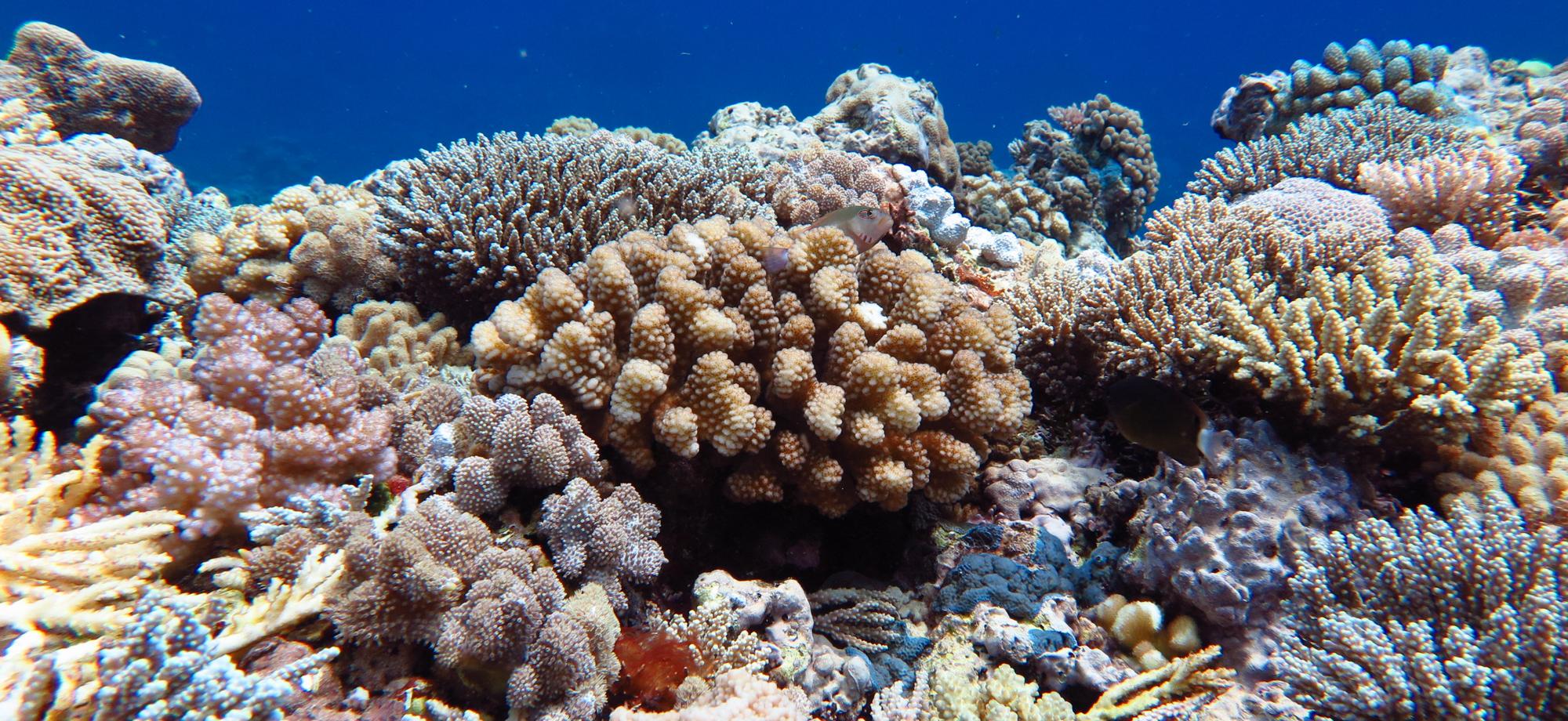
Rising ocean temperatures can alter diversity in unforeseen ways. Pollution, including excess nitrogen from agricultural runoff, disrupts microbial balance. Furthermore, industrial activities and plastic pollution can introduce harmful bacteria to coral reefs, increasing the likelihood of coral diseases by 4% to 89%. On the other hand, oil pollution poses critical harm to microbial communities. The disposal of oil in the ocean and on land is mostly dependent on naturally occurring oil-degrading bacteria. These bacteria have enough food in large amounts of oil, which causes their numbers to increase and may have an impact on other microbes.

Since ocean microbes form the foundation of marine life and regulate the planet’s climate, protecting them is crucial. If warming waters, pollution and acidification continue to damage microbial communities, the ocean’s ability to absorb carbon, produce oxygen and support ecosystems will decline. Safeguarding them means maintaining the ocean’s natural balance and ensuring that the earth’s life support system remains strong for future generations.

Feature Image Credits: aims.gov au

Leave a Reply