From Shipwreck to Shoreline: The Nurdle Impact on Sri Lanka’s Marine Life

By: Sara Sadoon

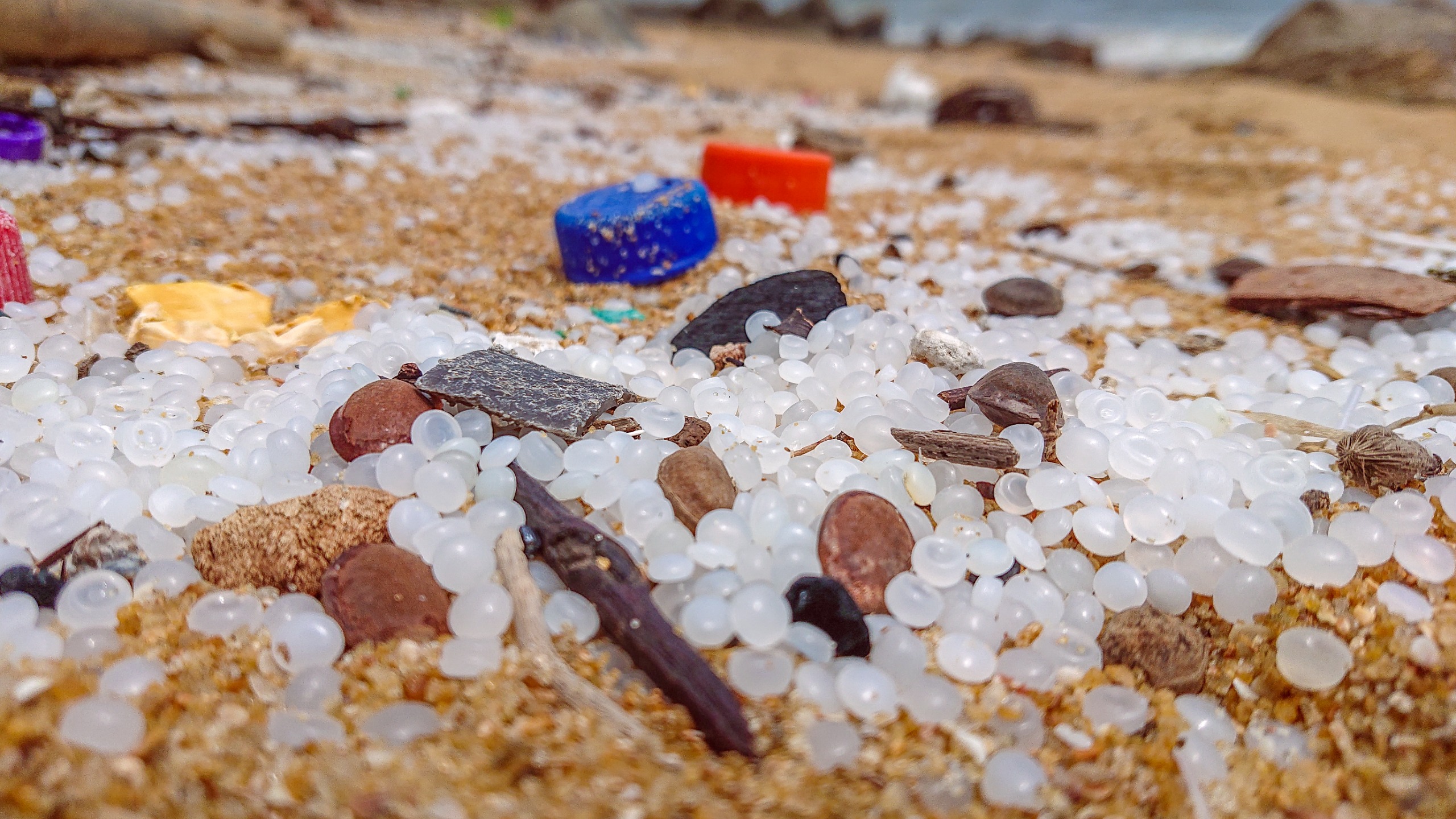
They may look harmless — small, round, almost like grains of rice — but nurdles are choking our oceans, threatening marine life, livelihoods, and even the food we eat. And we’re not paying nearly enough attention. Nurdles, the raw plastic pellets used to make everything from bottles to toys, are among the largest sources of microplastic pollution in the world. Their role in the plastic production chain is fundamental, but once these tiny pellets escape into the ocean, they become a slow-moving ecological disaster.

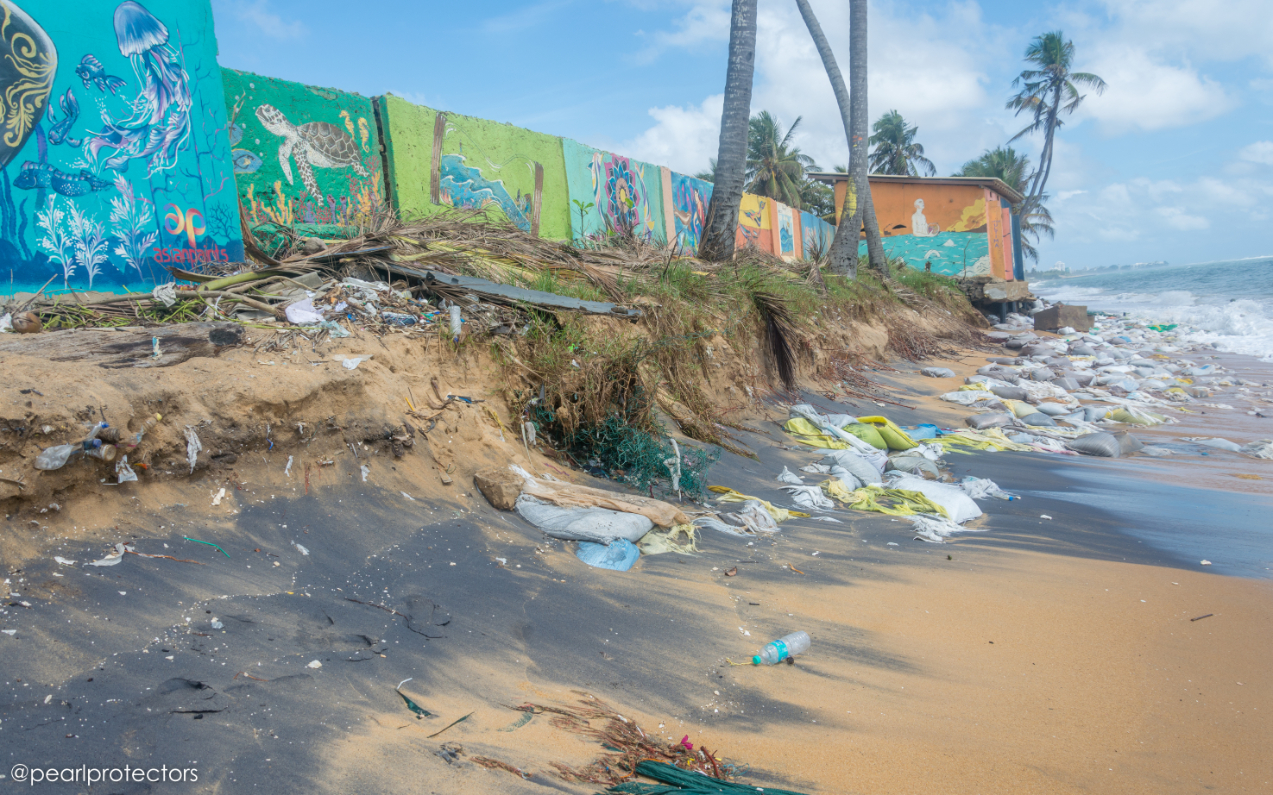
Nurdles overtaking the beaches of Sri Lanka

Sri Lanka knows this all too well. In 2021, when the X-Press Pearl sank off our western coast, it dumped more than 1,600 tonnes of nurdles into the sea. The aftermath was stark: dead marine animals, blackened beaches, devastated fishing communities. It was, by any measure, the worst marine pollution disaster in our country’s history. And now, just across the water, a new spill off Kerala’s coast should ring alarm bells once again.

The MSC Elsa incident in May initially sparked fears of an oil leak. But while Indian authorities scrambled to avert one crisis, another unfolded quietly. Thousands of nurdles began washing ashore, and many more, experts believe, sank or were swallowed by marine life. That this happened barely 25 kilometres from Sri Lanka’s maritime boundary should raise immediate concern. If ocean currents carried nurdles from Durban to Perth, as they did after the 2018 South Africa spill, they can certainly carry them from Kerala to our shores.

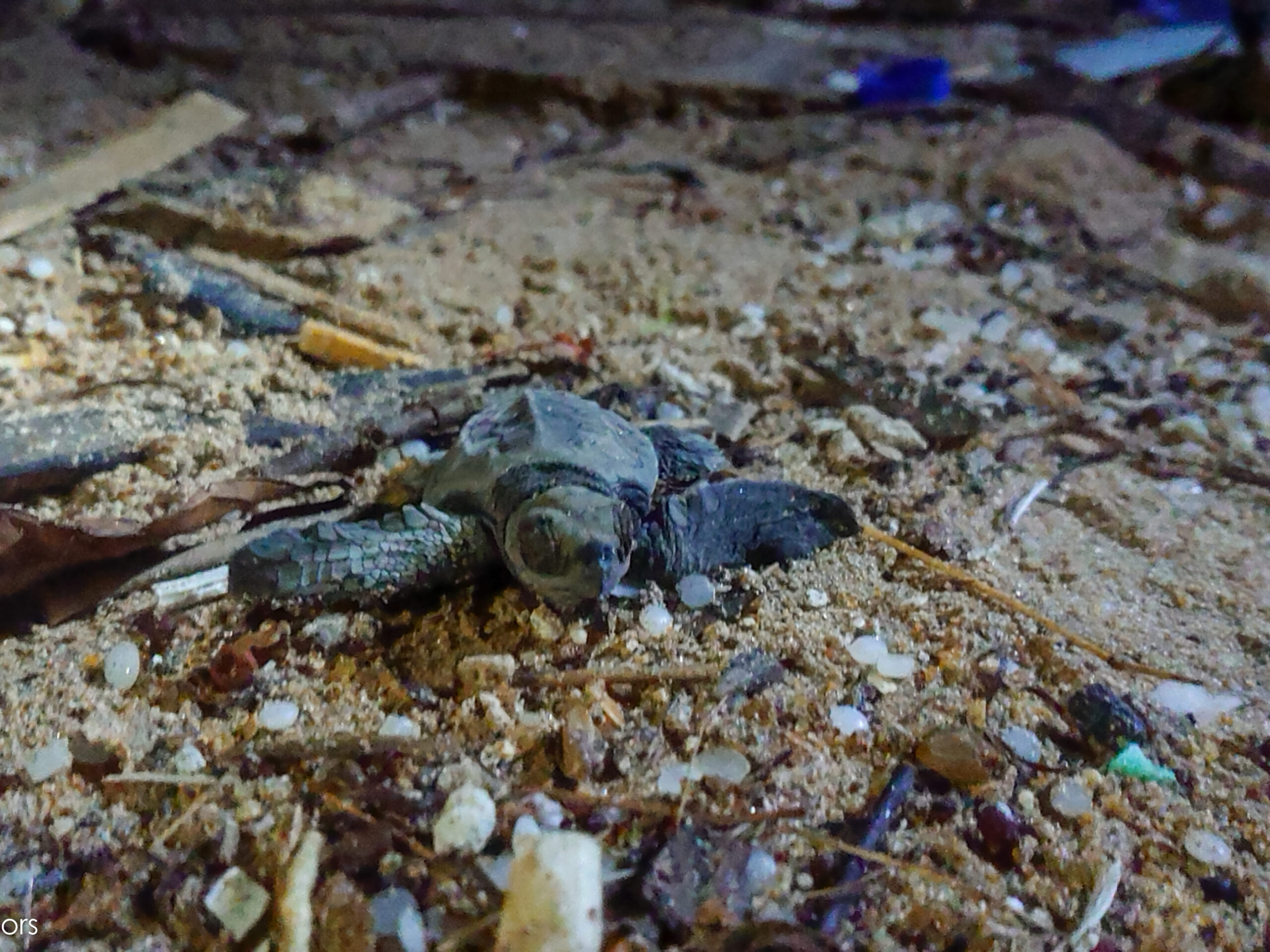
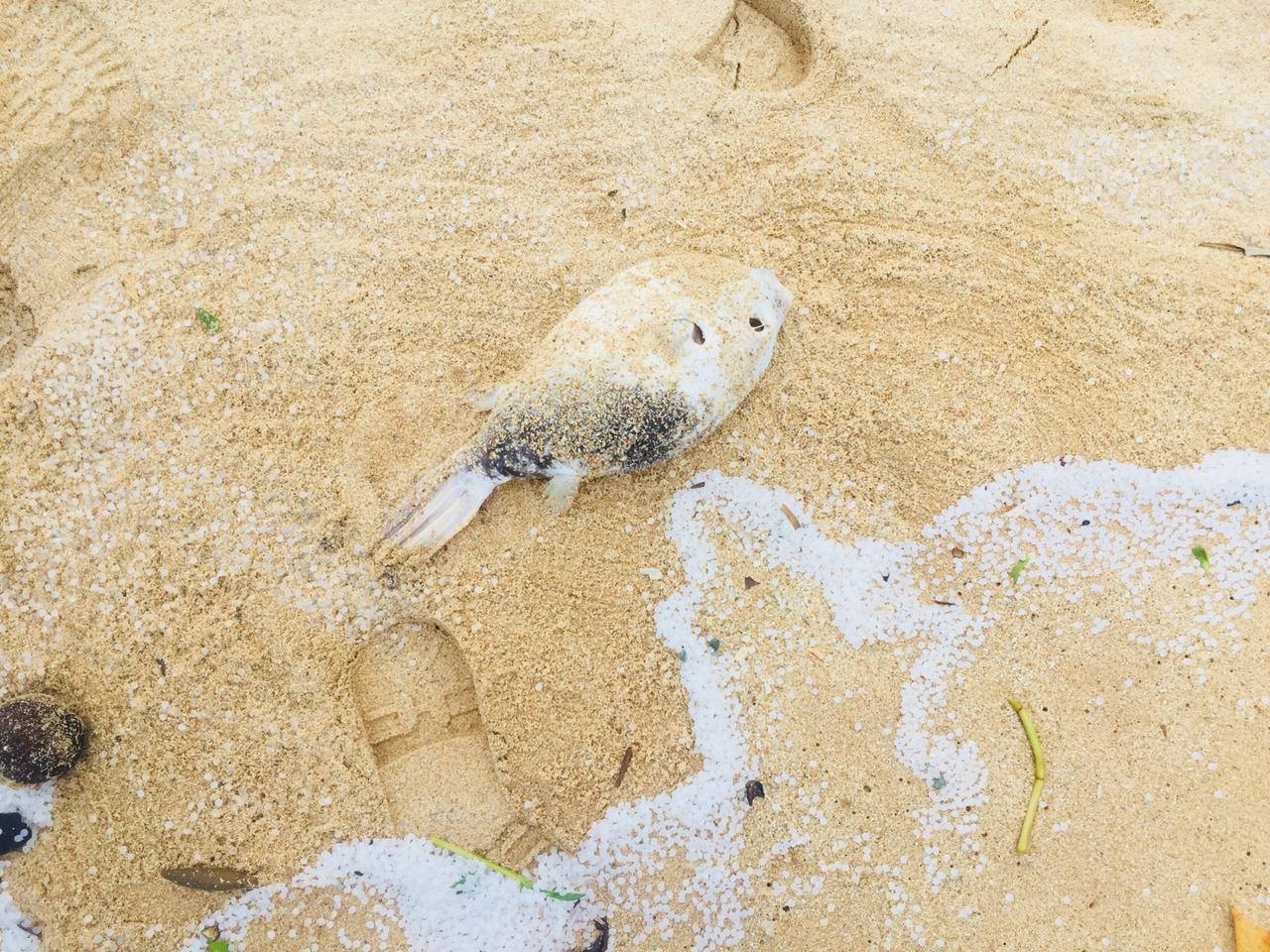
Marine life suffering from waves of nurdles

And yet, where is the urgency?

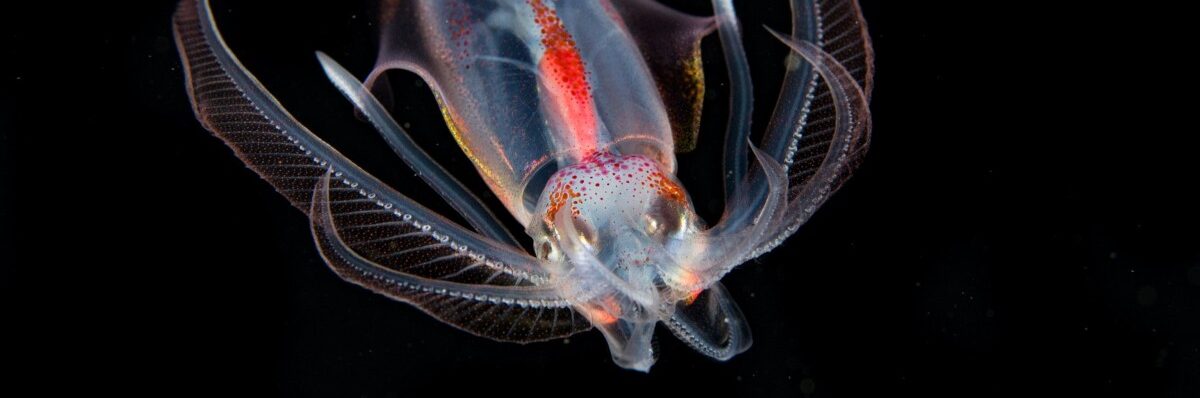
Marine species are on the front line. Fish, turtles, and seabirds often mistake nurdles for food due to their size and colour. Ingesting them blocks digestive tracts, causes internal damage, and can lead to starvation. Coral reefs and seagrass beds, essential habitats for marine biodiversity, are smothered when nurdles accumulate on the ocean floor. Filter feeders like mussels, including those off Kanniyakumari, are especially vulnerable, ingesting toxic particles that impair feeding, growth, and reproduction. Even hatchling turtles, emerging on pellet-strewn beaches, face suffocation or poisoning before reaching the sea.

This isn’t just a marine issue; it’s a human one. Once microplastics enter the food chain, they don’t stop at sea creatures. Nurdles absorb and release toxic chemicals like BPA, phthalates, and PFAS, which are all linked to increased susceptibility to disease, infertility, cancer, and neurological harm. As contaminated seafood reaches markets and tables, coastal communities, including many in Sri Lanka, unknowingly ingest these toxins. The problem doesn’t end in the water — it ends in us.

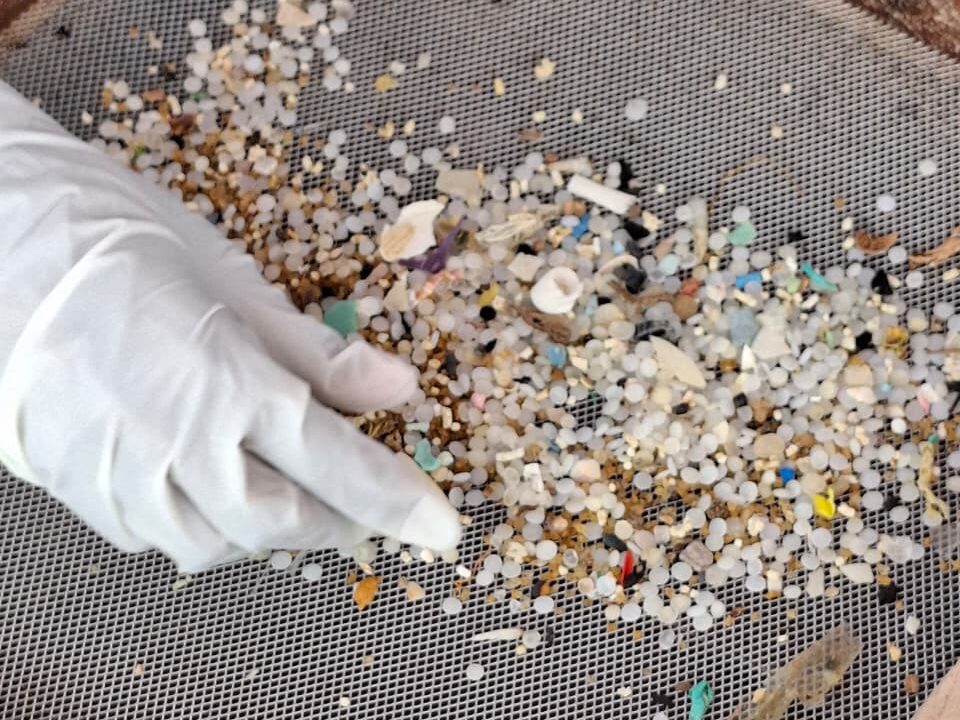
TPP sieving nurdles in attempts to seperate it from the sand of the ocean

Globally, an estimated 22.4 trillion nurdles leak into the environment each year, according to the environmental group Fidra. Yet because they’re not classified as hazardous, there’s little pressure on shipping companies to prevent or report spills. The International Fund for Animal Welfare has already called nurdles more dangerous than oil, yet they continue to be shipped in poorly secured containers, with no safety protocols in place.

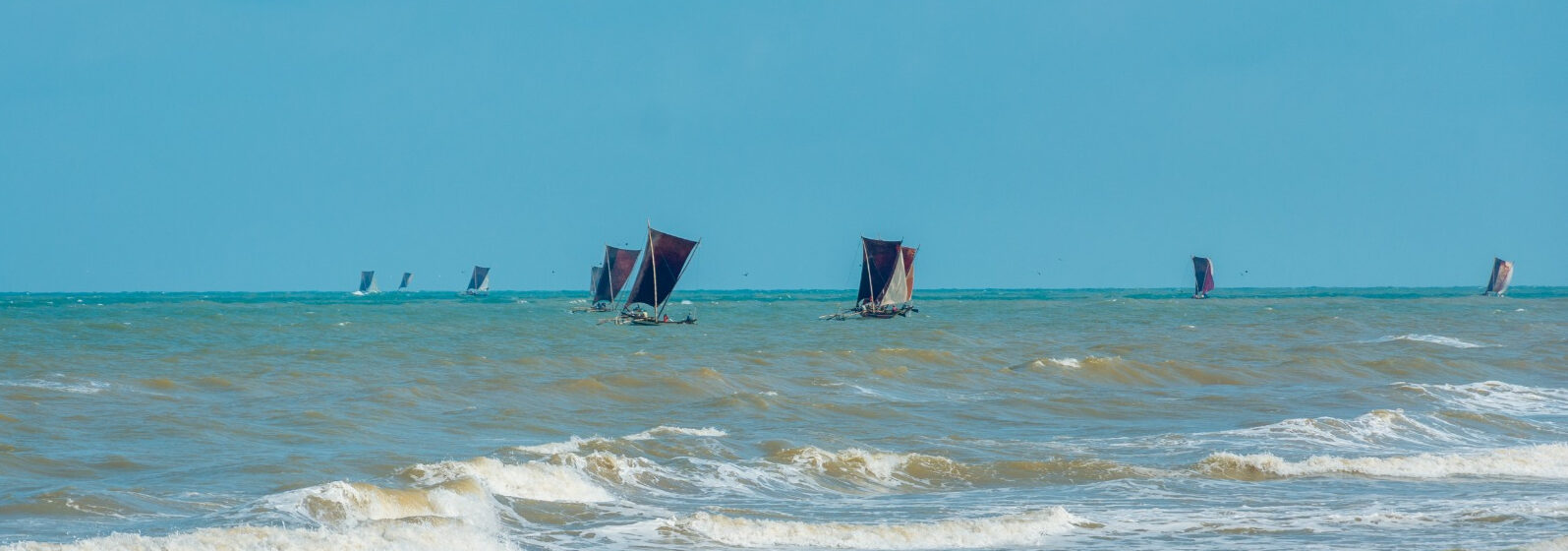
Sri Lanka’s fisheries are still recovering from the X-Press Pearl disaster, while Kanniyakumari now faces threats to vital mussel beds. We can’t afford another blow. The next spill could already be drifting our way — and the most dangerous threats are often the ones we never see coming.

Image Credits: The Pearl Protectors

Leave a Reply