
By: Sara Sadoon
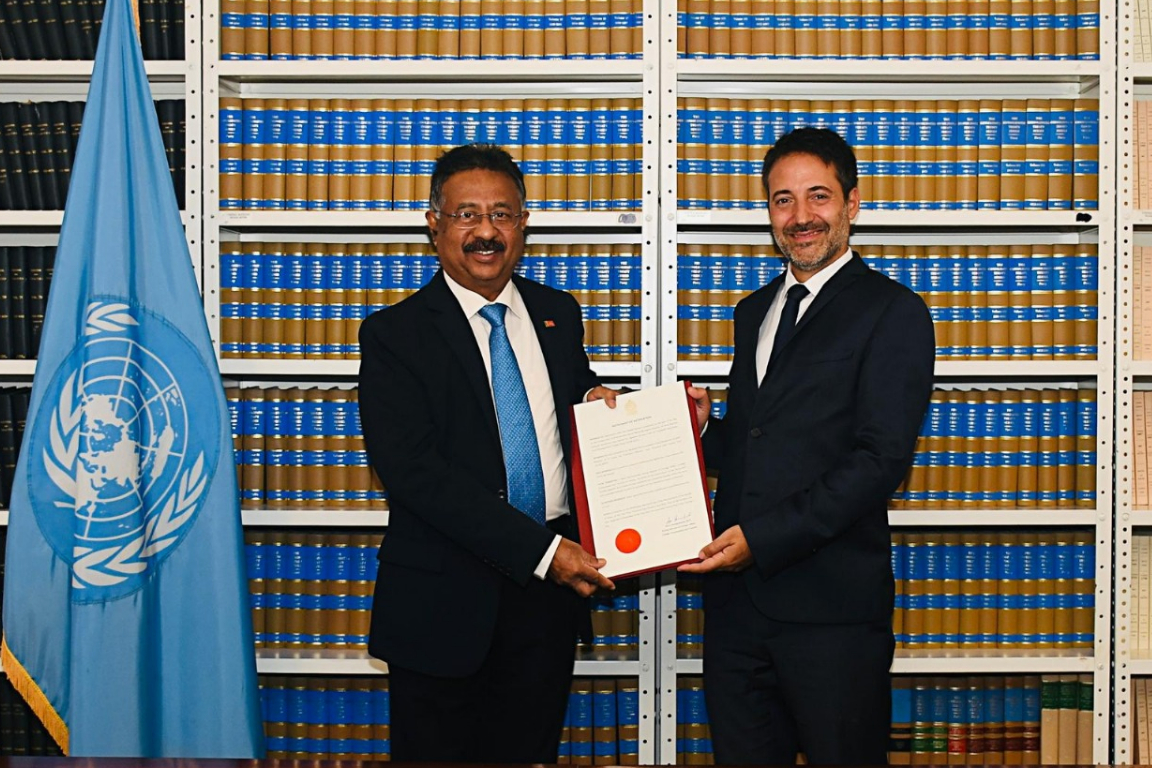
On 16 September last year (2025), Sri Lanka made its commitment to ocean conservation official by ratifying the United Nations High Seas Treaty, formally known as the BBNJ Agreement (Biodiversity Beyond National Jurisdiction).
In doing so, it joins a growing group of nations working to safeguard marine biodiversity in the vast reaches of the ocean that lie beyond any single country’s jurisdiction. It’s a significant move, especially for an island nation whose identity and economy are so deeply tied to the sea.
That commitment gained added weight when the treaty entered into force on 17 January this year. As the first legally binding agreement dedicated to the high seas, it establishes a long-overdue framework for managing international waters, which cover nearly half the planet and have long lacked effective oversight. The treaty addresses marine genetic resources, marine protected areas, and environmental impact assessments, while supporting developing countries through capacity building and technology transfer.
With implementation now underway, States are laying the groundwork through the UN’s BBNJ Preparatory Commission (PrepCom). Two sessions have already taken place, with a third scheduled for March, ahead of the first Conference of the Parties (COP1) within a year, where procedures, permanent bodies, and early priorities will be set.
For Sri Lanka, ratification is only the beginning. Recent reports in Groundviews indicate that despite being a maritime nation, the country currently protects less than 1% of its territorial waters and Exclusive Economic Zone through marine protected areas, a figure that is difficult to reconcile with the ecological richness and economic value of its ocean spaces.
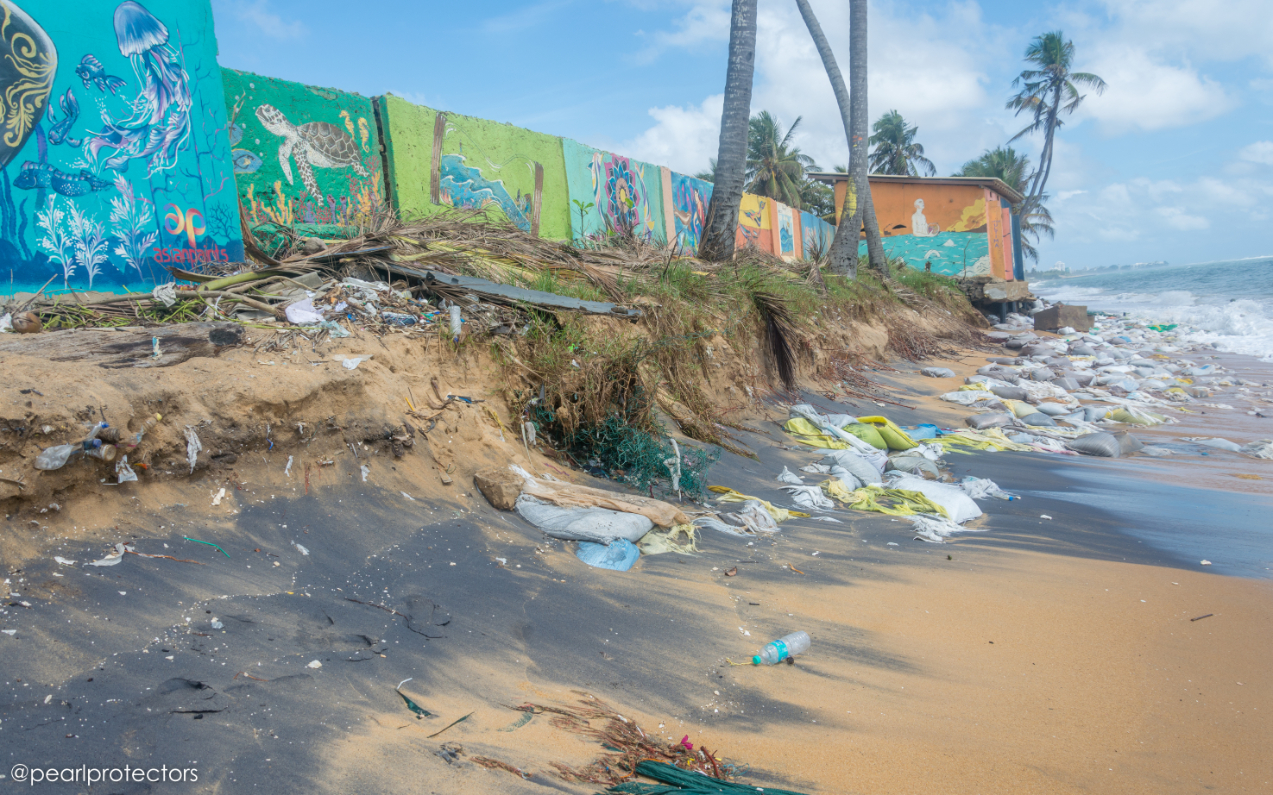
Additionally, marine protection has historically received limited attention in national planning and policy discussions. Meanwhile, the country is still reeling from nurdle disasters, and plastic and polythene pollution continue flowing unchecked into coastal ecosystems. Yet, at a time when global interest and funding in conservation are peaking, Sri Lanka has a rare chance to break from the status quo and chart a new course for its marine future.
In saying this, the path forward isn’t complicated, but it does require intent. Other nations, such as Samoa and the Philippines, have shown how early momentum can be built by hosting national workshops. These gatherings help familiarise agencies with the treaty’s obligations, clarify institutional roles, and identify legal and policy gaps. They also bring together scientists, civil society, policymakers, and private sector players, all of whom have a role in turning the treaty into practice.
Domestically, Sri Lanka must begin reviewing and strengthening its legal frameworks to align with the treaty, particularly on environmental assessments and access to marine genetic resources. Regionally, as an Indian Ocean maritime nation, it can also use its diplomatic voice to encourage continued ratification and cooperation, while the treaty’s institutions are being shaped.
The High Seas Treaty is a rare second chance. With the agreement now in force and its institutions taking shape, Sri Lanka has an opportunity not only to make up for lost time, but to lead. The question is no longer whether action is needed, but whether it will come quickly and boldly enough.
Feature Image Credits: earthshotprize.org