By: Alina Marzook
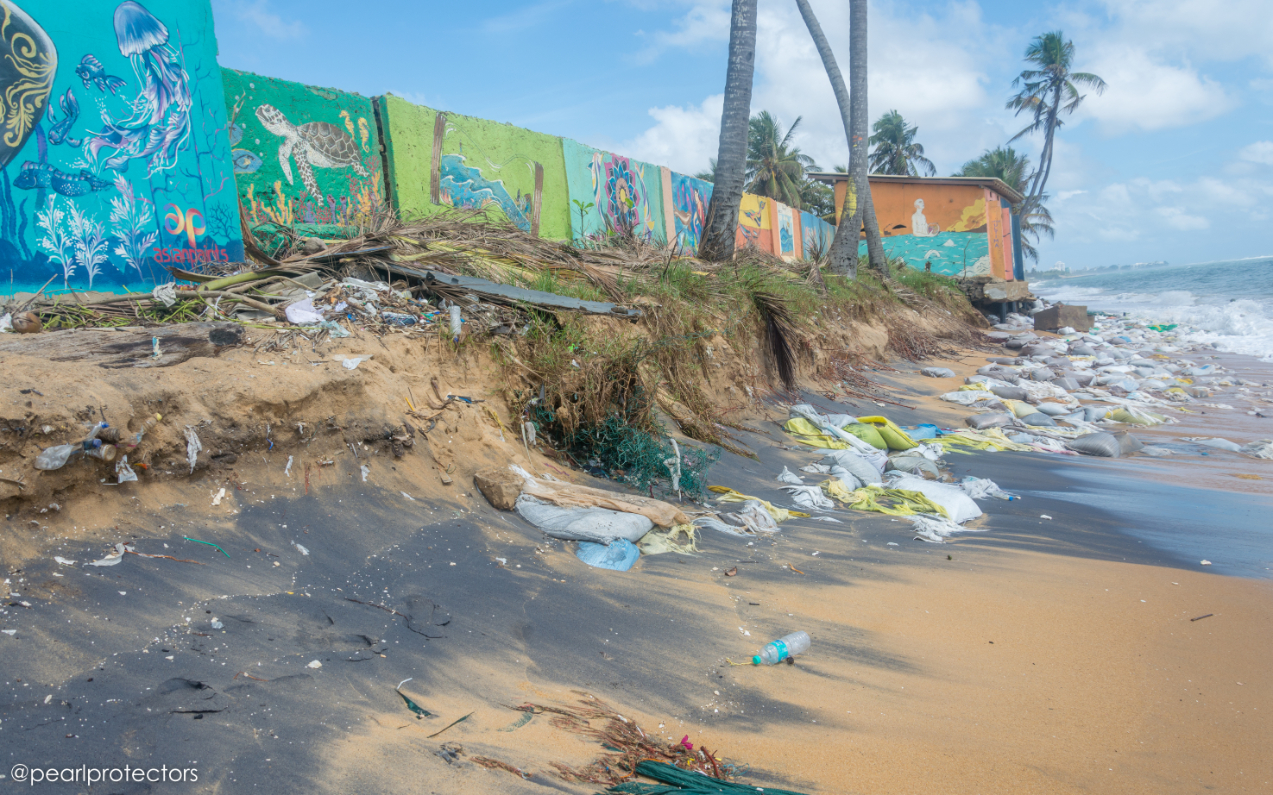
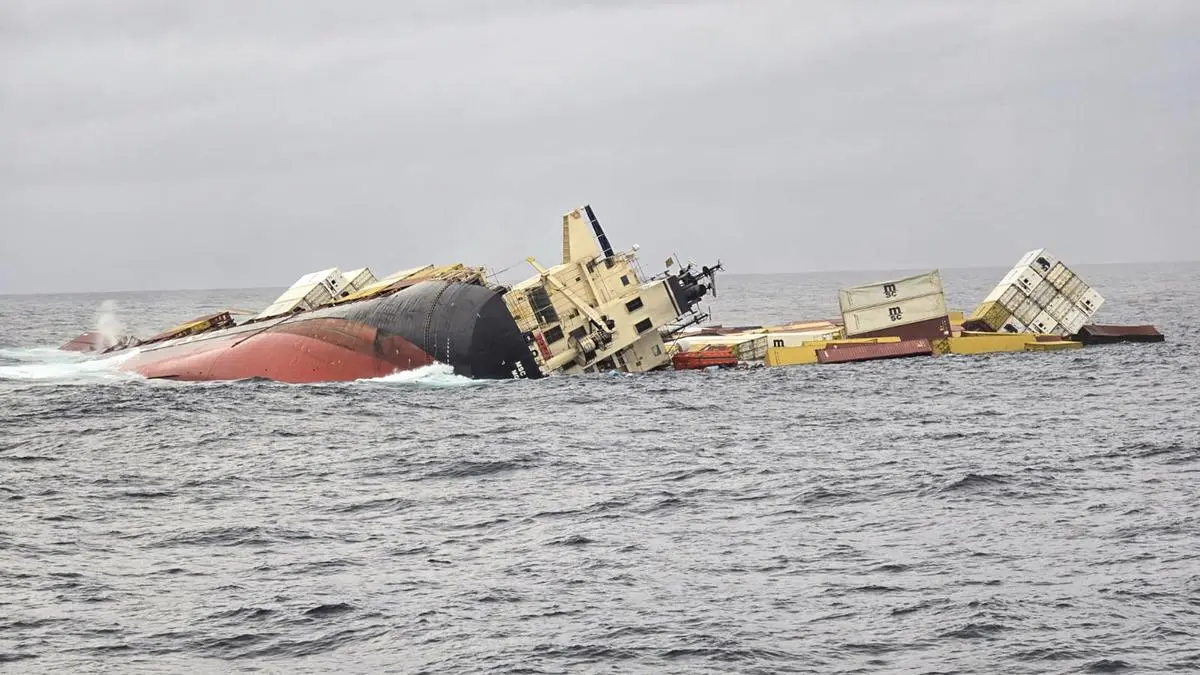
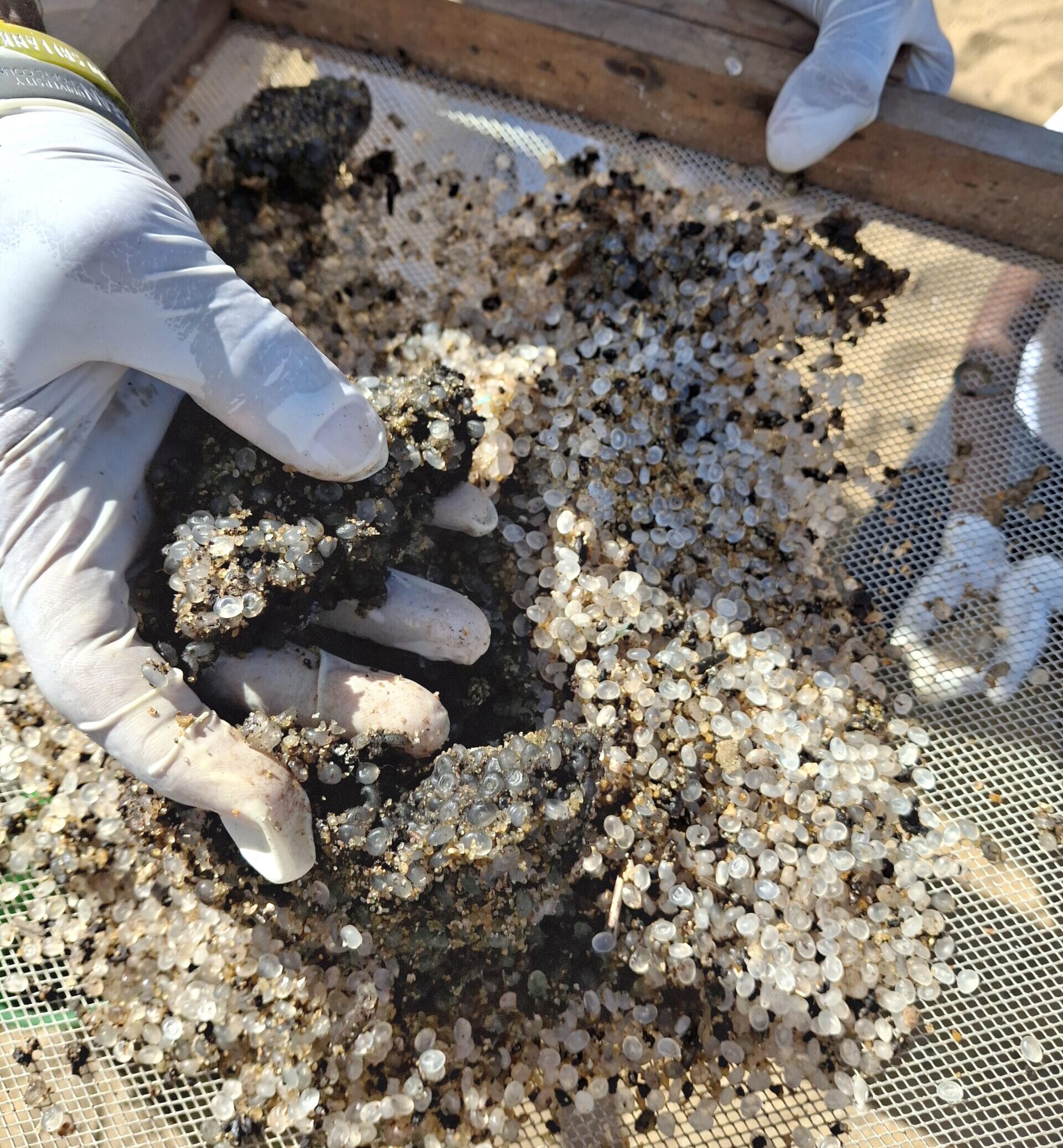
On May 24th, 2025, the container ship MSC ELSA 3 capsized off Kerala’s coast. Of the 643 containers onboard, 60 carried plastic nurdles, which have since contributed to an unfolding ecological and socioeconomic nightmare. Nurdles continue to wash up along India’s and Sri Lanka’s coastlines. The Gulf of Mannar, a UNESCO Biosphere Reserve, has been contaminated. The safety of marine biodiversity is being questioned. Fishing communities have been affected. And the MSC ELSA 3 has refused to take responsibility, sporting corporate negligence at its best.
But what exactly were plastic pellets doing on a container ship?
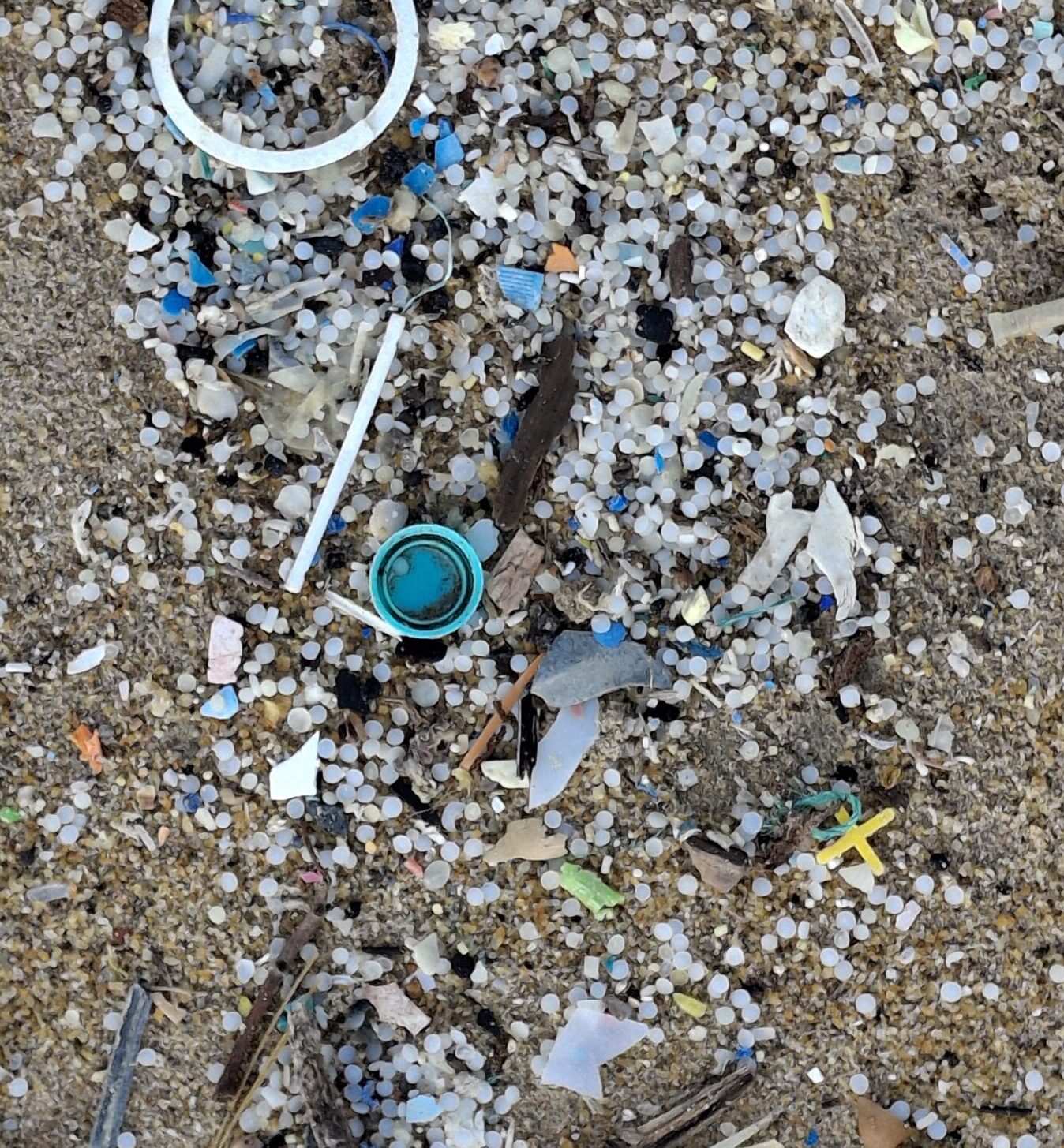
Nurdles are small, petrochemical-derived plastic granules, approximately the size of a lentil, used in plastic molding and extrusion processes to form various products, ranging from water bottles to bags and toys. These microplastics are synthetic, meaning they are derived from fossil fuels like crude oil, coal, and natural gas.
First, raw material like crude oil is extracted by large-scale mining and drilling. The crude oil is then refined into fractions through heating and distillation. These fractions are further processed into monomers (single molecular units) through application of high temperature or pressure (cracking). Through this, the hydrocarbons ethane and propane are broken down into smaller propylene and ethylene monomers. These monomers undergo ‘polymerization’ where they are combined to form large plastic molecules, or polymers. Polyethylene, polystyrene, and polyvinyl chloride are all a result of the polymerization of plastic monomers.
To get the right plastic properties, these plastic monomers are further processed and blended with other chemicals (they are simply melted together and mixed in). Finally, the plastic is converted into pellets, or nurdles, that can be conveniently transported, stored, and later molded into their desired product.
Which brings us back to the disaster under discussion.
Nurdles aren’t just convenient for the plastic manufacturing process. They are also small, lightweight, and floatable. This makes them very easy to lose. In fact, nurdles are the second largest source of primary microplastic pollution in the world. Whether at the factory or in transit, on land or at sea, nurdle spills are a serious and frequent environmental hazard.
Once nurdles are released into the environment, they are extremely difficult to remove. These also absorb other pollutants, are mistaken as food by fish, and degrade into smaller microplastics, destroying both marine ecosystems and the communities dependent on them.
The MSC ELSA 3 disaster was not the first of its kind. Unless corporate accountability, proactive governance, and fair compensation for the environment and people are implemented, it will not be the last.