By: Dilshani Maralanda
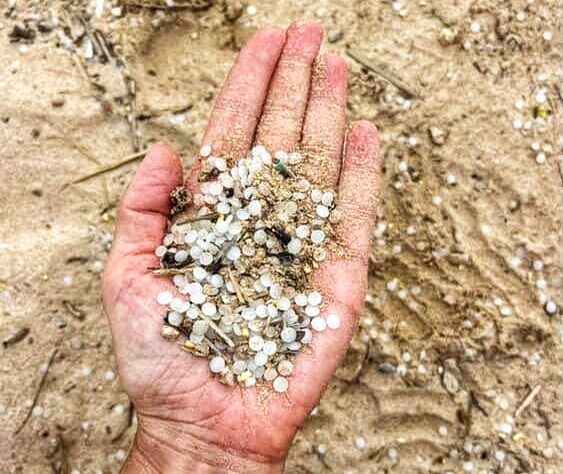
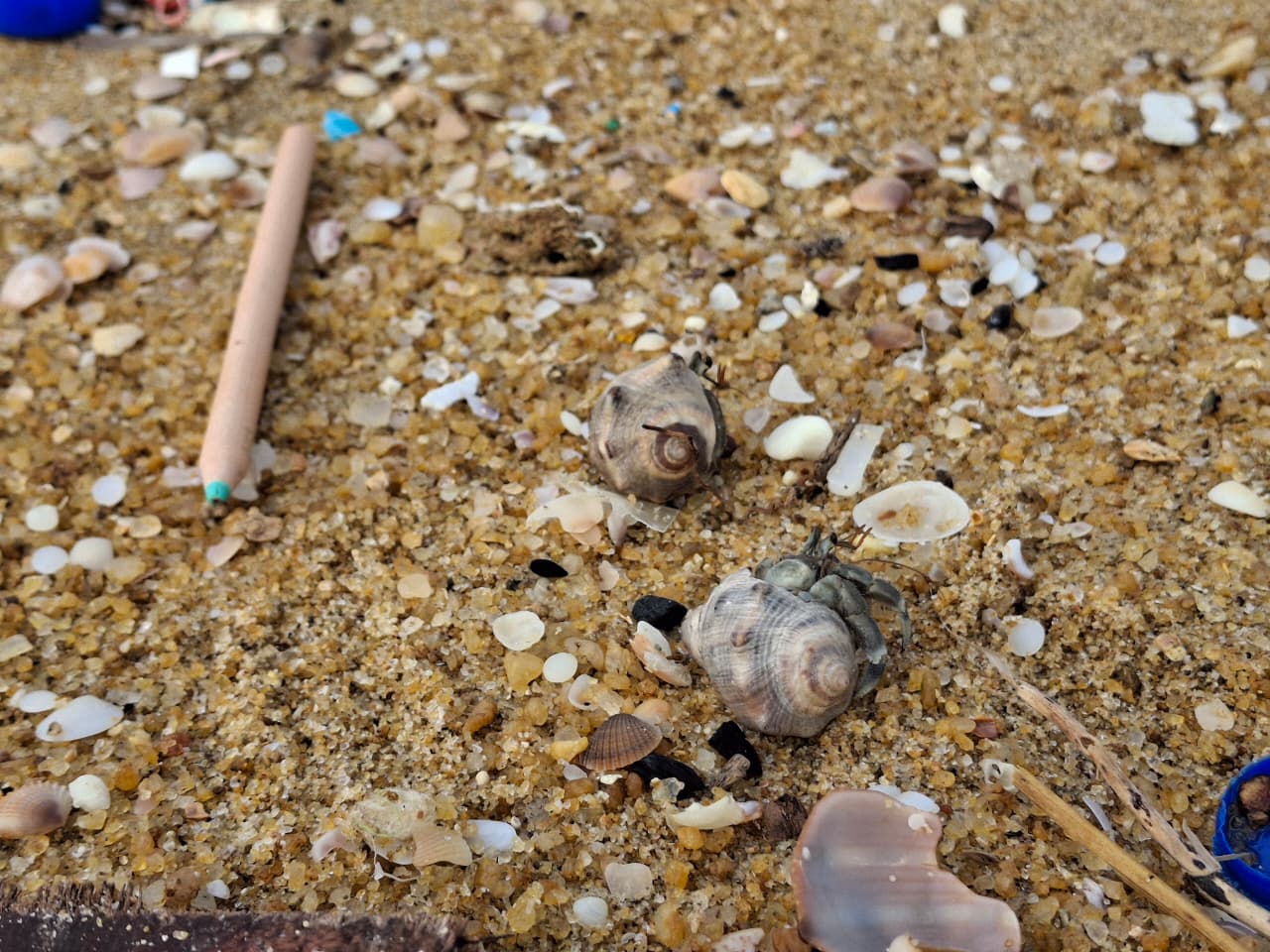
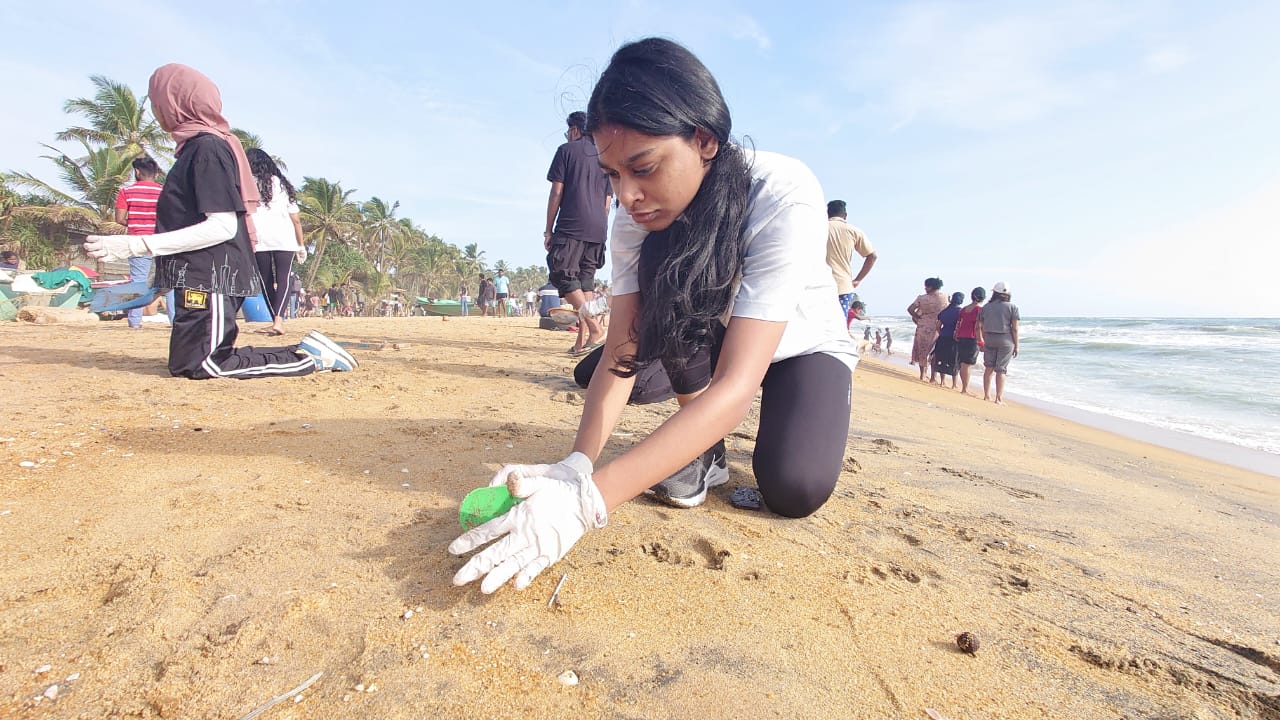
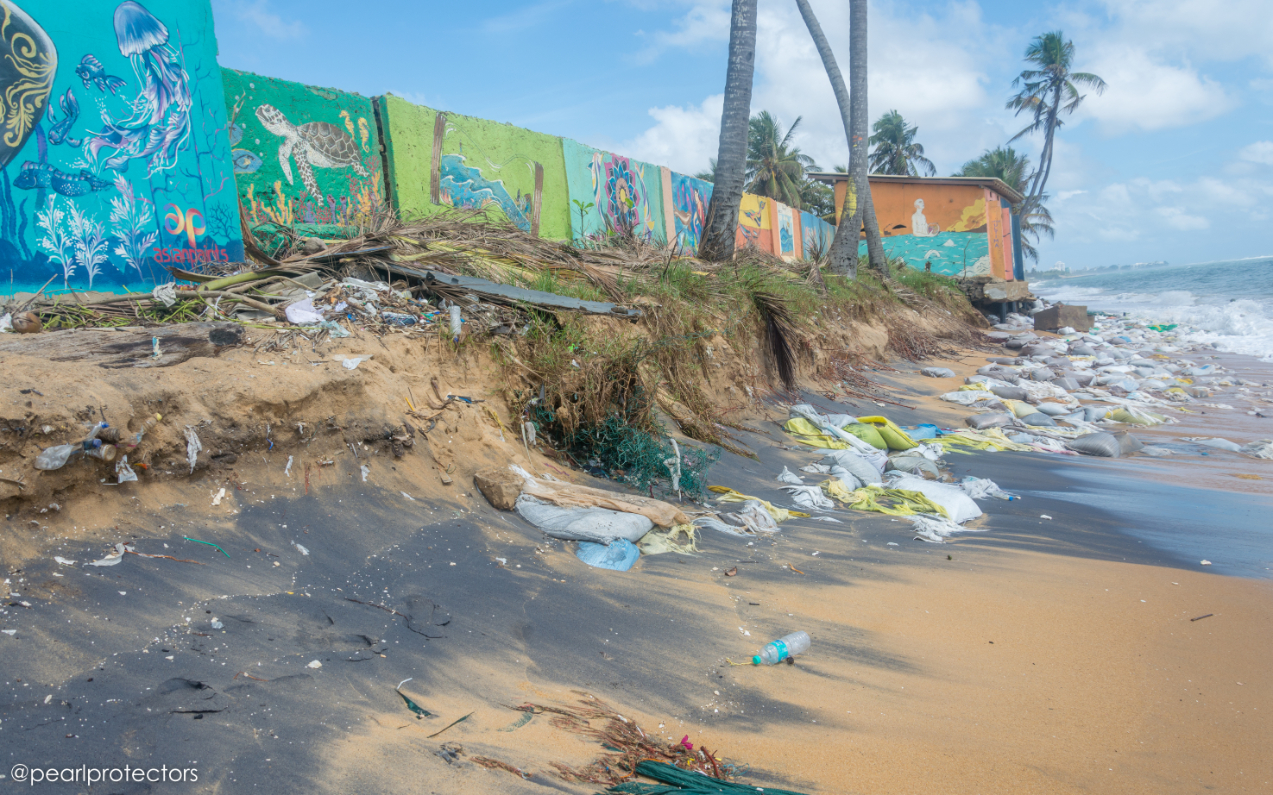
On a sunny morning, volunteers are strolling along the beach, not in search of seashells, but to collect handfuls of tiny white pellets. At first sight, they might look like little rice grains, but in reality, they are plastic nurdles. Thanks to the MSC Elsa 3 spill, which occurred on May 25, 2025, off the coast of Kerala, millions of nurdles have been washed into the waters and beaches of Sri Lanka.
It’s tempting to think of these as just another litter problem. But nurdles are more than an eyesore. They have a huge impact on our marine ecosystems, and disturbingly, they can make their way onto our dinner plates.
What are nurdles, and why are they dangerous?
Nurdles are tiny plastic pellets. In appearance, they look like rice grains. They are used to manufacture a wide range of plastic products, from small toys to large packaging materials. Nurdles are light and buoyant, so they can be easily carried by wind and water. Once they spill into the ocean, they are almost impossible to clean up completely.
How do nurdles enter our food chains?
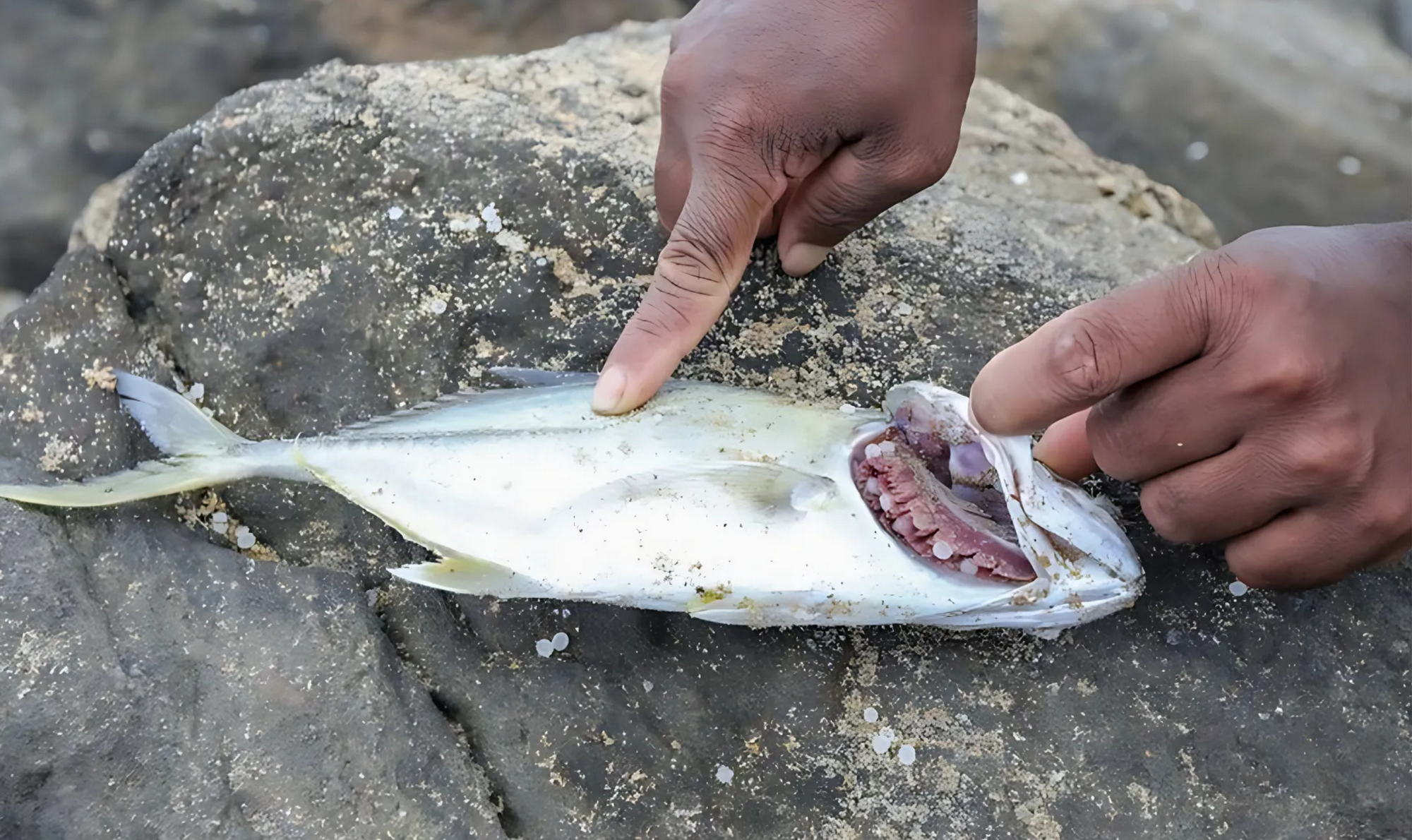
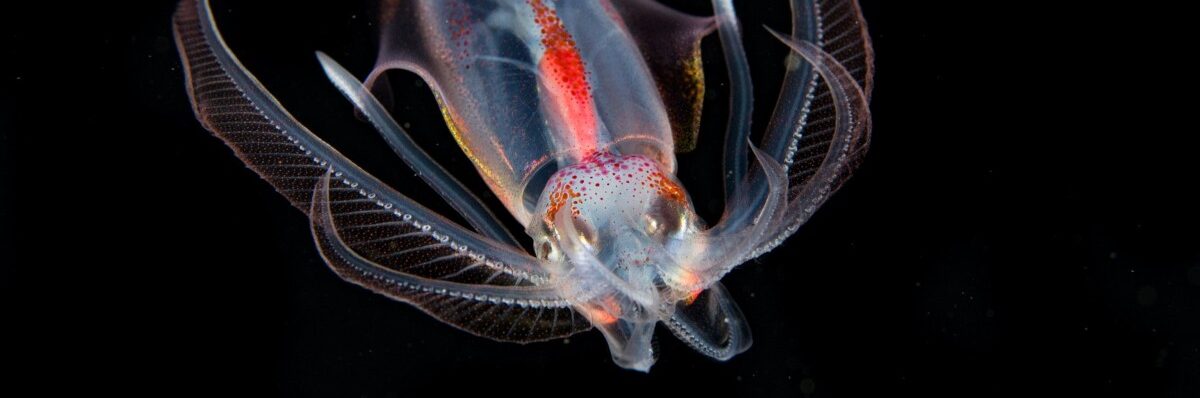
Once nurdles enter the ocean, they mix with fish eggs and other natural food sources. Marine organisms often mistake them for food.
The nurdles’ journey through the food chain starts with plankton. Plankton and filter feeders ingest the pellets, and then the plankton are eaten by larger fish. Finally, those larger fish are consumed by even bigger predators, including commercially important species eaten by humans.
The process of moving nurdles from one species to another through the food chain is called bioaccumulation. Over time, the concentration of harmful substances in the higher trophic levels of the food chain increases, meaning that top predators, including humans, may end up with the greatest exposure.
What chemicals do they carry?
Polyethylene and polypropylene are the major chemicals contained in nurdles. They are not biodegradable. Instead, nurdles can absorb toxins like PCBs, DDT, pesticides, heavy metals, etc. PCBs (polychlorinated biphenyls) can cause neurological and neurobehavioral deficits, immune system malfunction, cancers, cardiovascular diseases, and dementia.
DDT and other pesticides can cause reproductive and developmental problems, cancer, and neurological damage. Heavy metals can cause neurological complications, cancers, hepatotoxicity, immunological toxicity, cardiovascular toxicity, and reproductive and developmental disorders.
When a fish or any other marine organism eats a nurdle, these chemicals can leach into their body tissues. When humans consume contaminated seafood, those contaminants automatically enter human bodies.

Global and local evidence
Studies around the world have found microplastics in various body parts of marine organisms consumed as seafood, such as crustaceans, bivalves, mammals, fish, and mussels (both fresh and processed). Microplastics have been detected in the liver, gills, edible tissues, brain, and muscle. Table salt has also been found to contain microplastic particles.
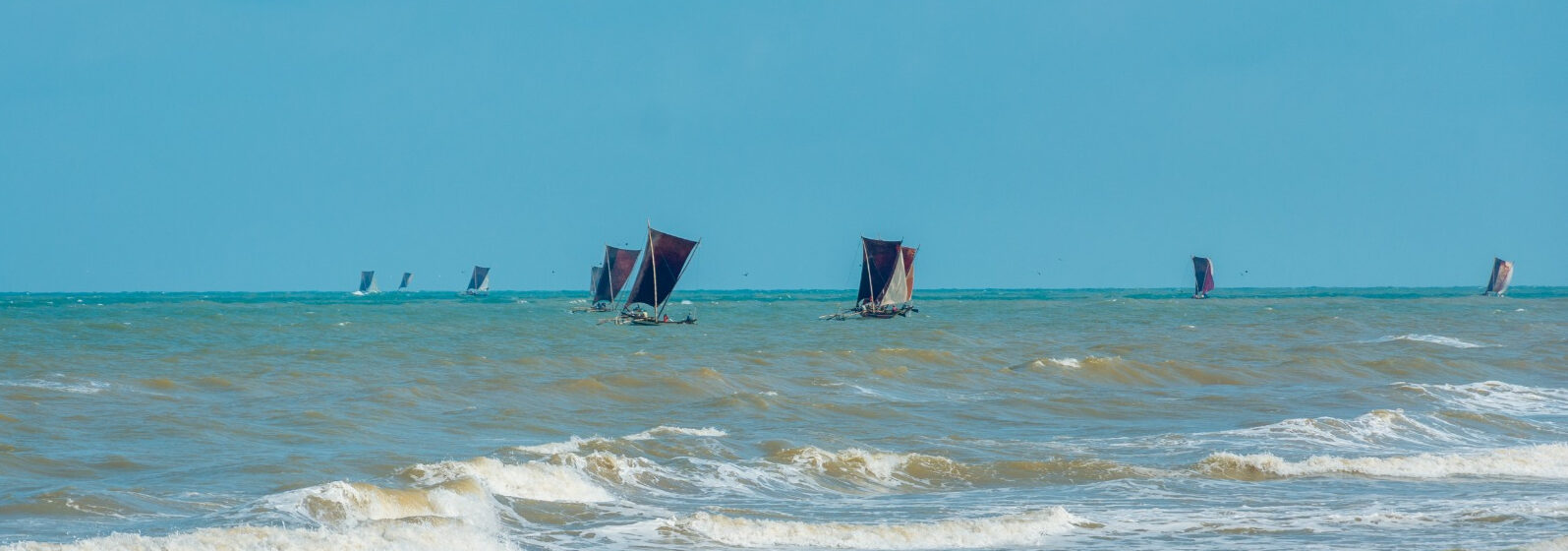
In Sri Lanka, considering the current situation with the MSC Elsa 3 spill, concerns are heightened. The health of nearshore waters is vital for our fishing communities. If nurdles are already entering marine food webs here, both domestic consumers and export markets could be affected.
Cleanups alone aren’t enough!
Beach cleanups are important, but the nurdles swallowed by marine organisms, sunk to the seabed, and mixed into sediments cannot be removed with a sieve. Preventing spills in the first place through stricter shipping regulations, safer storage, and mandatory spill response plans is far more effective than chasing pellets along the shoreline.
How do we move forward?
Sri Lanka needs to take immediate action to strengthen legislation regarding the transport and handling of harmful substances like nurdles. Tough penalties should be imposed on polluters. Establishing rapid spill response units, better port monitoring, and participating in international plastic pollution agreements would further strengthen our defenses.
Our shared responsibility
The MSC Elsa 3 spill is a strong reminder that we must act before it is too late. Although nurdles are small in size, their impacts are vast. They affect the entire marine ecosystem and ultimately humans as well. They can pass through marine food webs and cause fatalities to numerous marine species due to various complications, and they will infiltrate the very food we eat.
Every minute wasted without taking action increases the risk to our environment, livelihoods, and health. If we want to protect our oceans and keep them as a source of life, not contamination, we must act now before the next wave of invisible plastic reaches our plates.
Image Credits: The Pearl Protectors