
By: Sara Sadoon
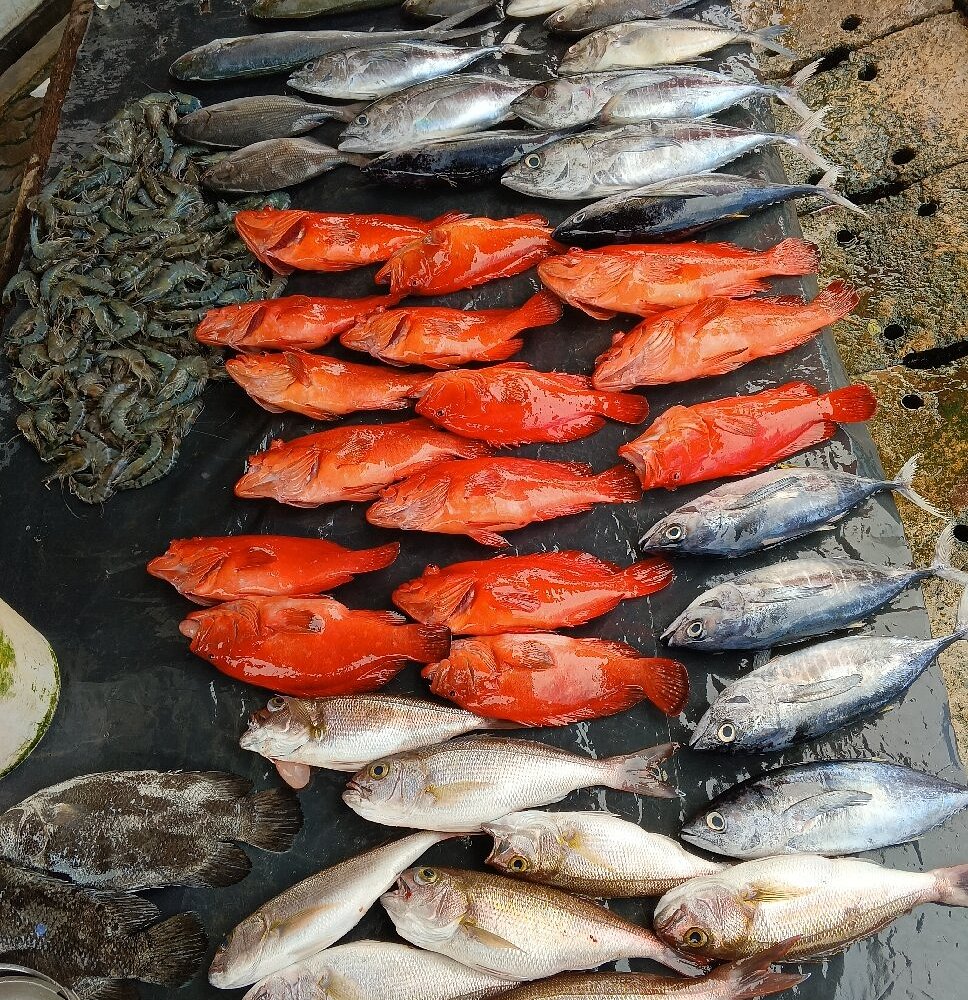
Seafood is so embedded in daily life in Sri Lanka that it often goes unquestioned. Fish appears on breakfast tables and evening plates, in home kitchens and hotel dining rooms alike. It provides more than half of the country’s animal protein intake, nearly three times the global average, and sustains over a million people directly, with several million more connected through processing, transport and trade. In a country so closely tied to the ocean, what we choose to eat shapes more than our meals. It is a signal.
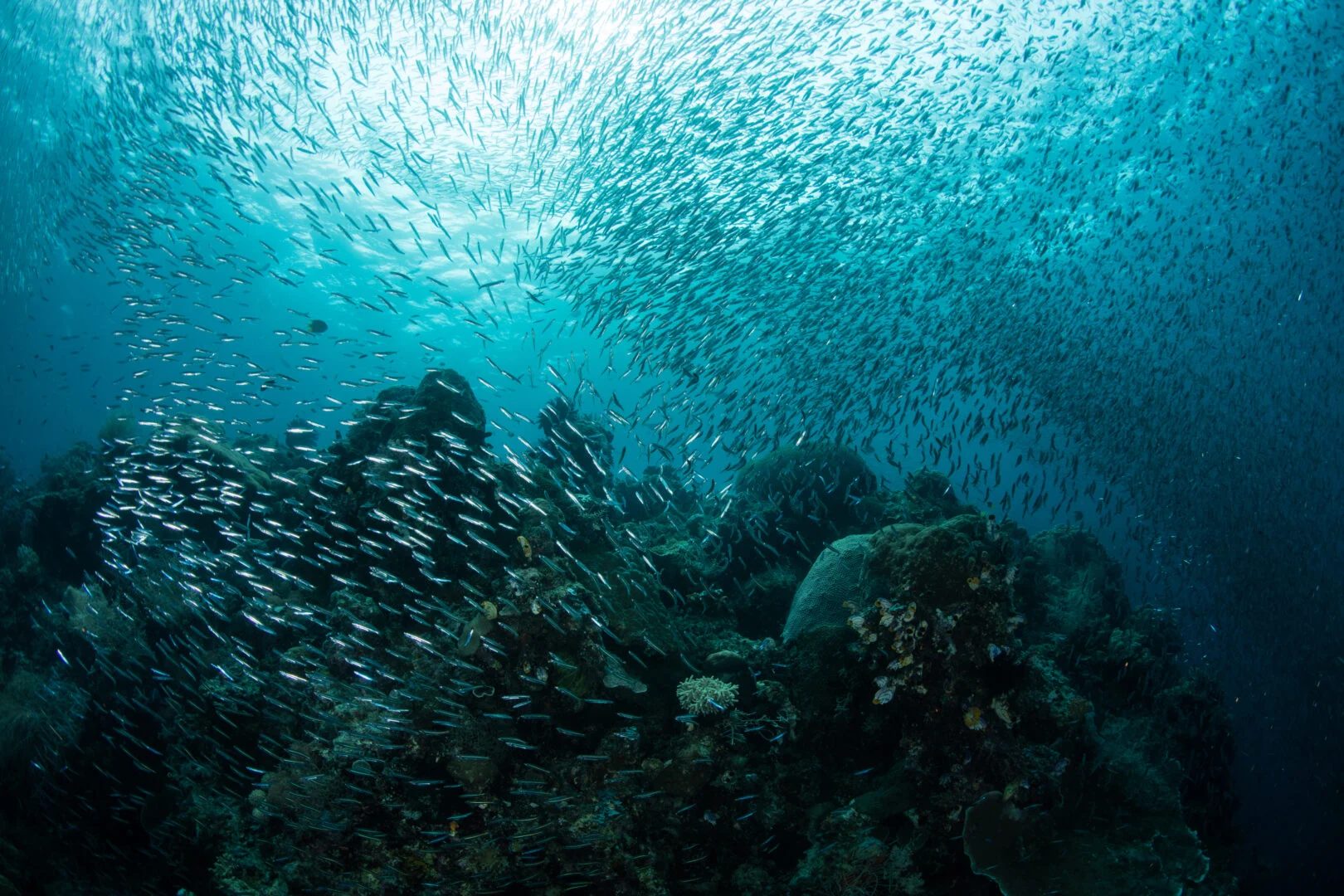
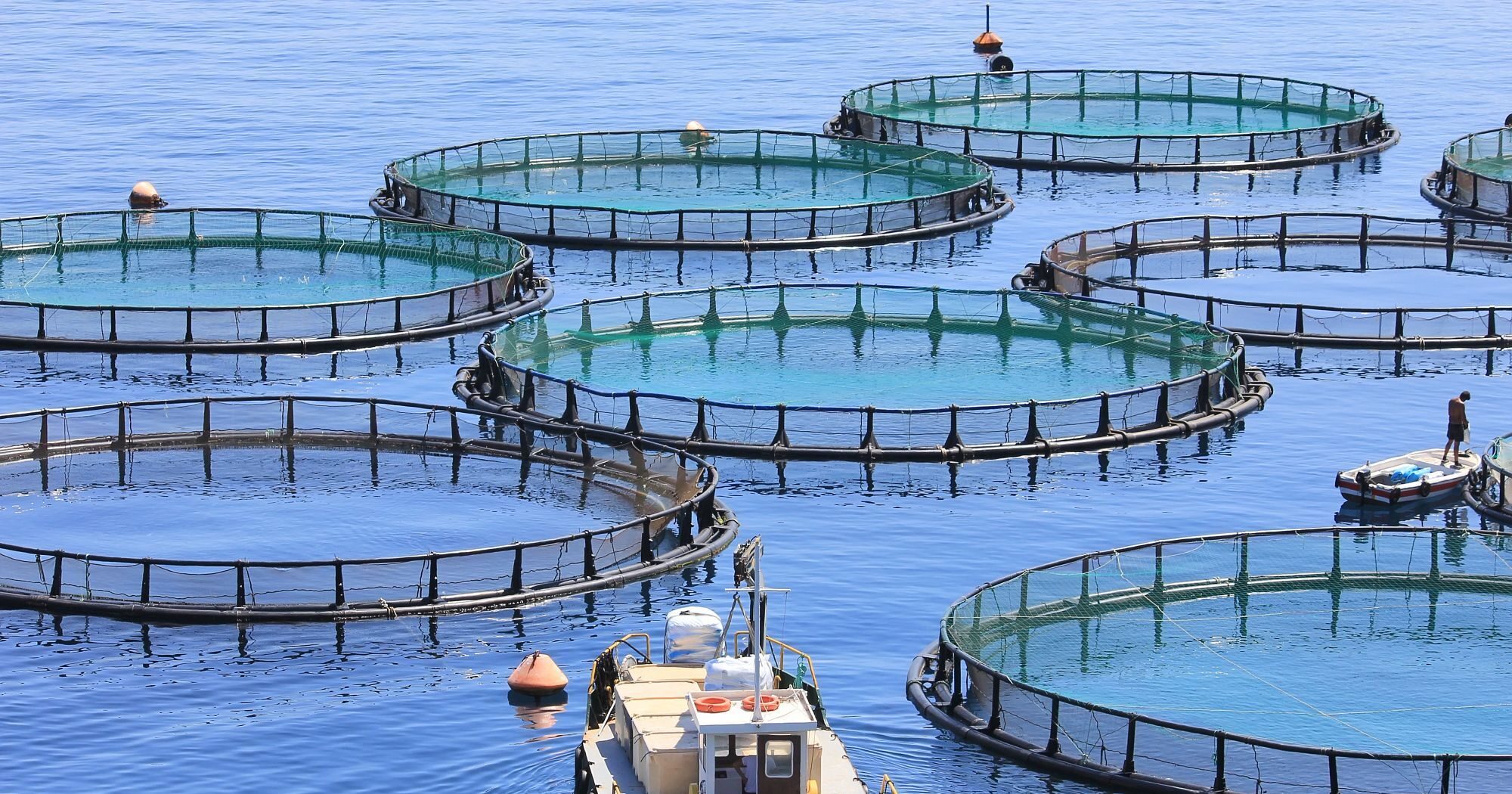
Globally, seafood is the most traded food commodity, feeding more than three billion people. Yet the UN Food and Agriculture Organization (FAO) estimates that most marine fish stocks are now fully exploited or overfished. Industrial fishing, excessive bycatch and poorly managed aquaculture have pushed many species beyond their natural limits and placed ecosystems under strain. This pressure is already visible: both locally and globally, high demand has driven extraction to levels the ocean is struggling to sustain. Writing for Renewable Matter, Tosca Ballerini draws on UN Trade and Development data to describe a rapid expansion of maritime industries, often referred to as a Blue Acceleration, where economic growth races ahead while ecological and social costs are left behind. These costs are most keenly felt by coastal and small-scale fishing communities, even as the benefits of trade accumulate elsewhere. While structural solutions such as treaties, enforcement and regulation remain essential, they address only part of the story.
The other part lies much closer to home. Consumer behaviour, long treated as incidental, is increasingly recognised as a decisive force in shaping seafood systems. The FAO has argued that consumers are not merely end users of food systems but co-creators of them. Choices made at fish counters, in supermarkets and on restaurant menus send signals that ripple along the supply chain, determining what is caught, farmed and sold.
In practice, this means ordinary decisions carry consequences. Consumer preferences decide which species face the greatest pressure and which are allowed to recover, guiding what vendors prioritise and what suppliers invest in. When expectations remain narrow or unexamined, the same stocks are repeatedly overexploited. When abundance is assumed regardless of season or origin, extraction rises to meet that assumption. These patterns are not abstract forces beyond our control; they are shaped daily by what consumers consistently accept. Recognising this connection turns awareness into responsibility.
Hospitality adds another, highly visible layer. Menus do more than list dishes; they shape taste, status and expectation. When hotels and restaurants feature seasonal species or promote lesser-known local varieties, they influence trends and social norms. When consumers actively ask for transparency and information about sourcing, these establishments are more inclined to align with sustainable practices. Over time, such shifts can normalise a broader, more flexible approach to seafood consumption. Social expectations often move faster than legislation, especially when diners associate responsible choices with quality and care rather than compromise.
Amid these shifts, resources are emerging that make responsible choices easier to navigate. One example is the Lanka Environment Fund’s Practical Guide to Purchasing Responsible Seafood in Sri Lanka. Rather than offering a rigid checklist, it frames responsibility as a habit of attention. It helps households, chefs and retailers translate awareness into action, encouraging questions about where, when and how fish are caught, attention to season and size, proper storage and reduction of waste. It also underscores the value of buying from trusted vendors and embracing a wider range of species, turning sustainability from an abstract ideal into an everyday practice.
Changing the sea by changing the menu will not, on its own, resolve the complex challenges facing marine ecosystems. But it reframes responsibility in a way that is immediate and accessible. In Sri Lanka, where seafood is both sustenance and livelihood, consumer choices are not peripheral. They are part of the system itself. When diners, shoppers and chefs recognise their influence, responsibility begins at the table and travels outward, shaping the future of the ocean one meal at a time.
Feature Image Credits: d2evkimvhatqav.cloudfront.net