Caught in the Net: How Ghost Gear Strangles Our Seas

By: Dilshani Maralanda

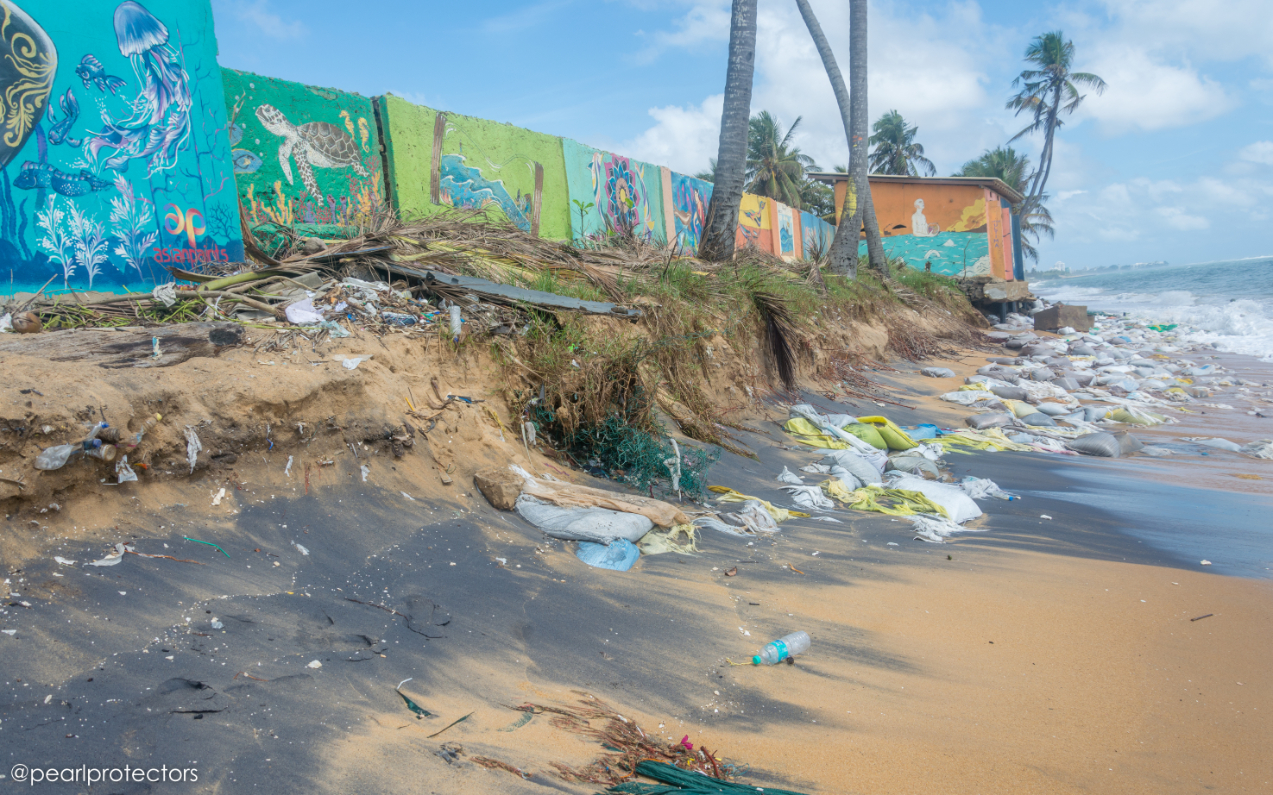
It was a lovely sunny morning; I was strolling along the beach when I spotted something unusual. I went closer to check what it was, and I realized that it was the lifeless body of a huge sea turtle. I went closer and examined it more carefully to determine the cause of death. From my observations, it appeared that the turtle had become entangled in fishing nets around its neck. The tight nets had caused deep, severe cuts, which likely led to its tragic end. But then the question arises: who is responsible for the death of this innocent creature?

Marine ecosystems struggling to survive amongst Ghost Gear threats

What is ALDFG (Abandoned, Lost, or Otherwise Discarded Fishing Gear)?

Abandoned, lost, or otherwise discarded fishing gear includes nets, lines, traps, and other fishing equipment intentionally or unintentionally discarded into marine ecosystems that act as ghost nets, slowly affecting marine life.

Storms, bad weather conditions, and entanglements are some of the ways that fishing nets can enter the ocean. Some fishermen also dispose of fishing gear in the ocean when the lifetime of the gear is over.

Effects of ALDFG 

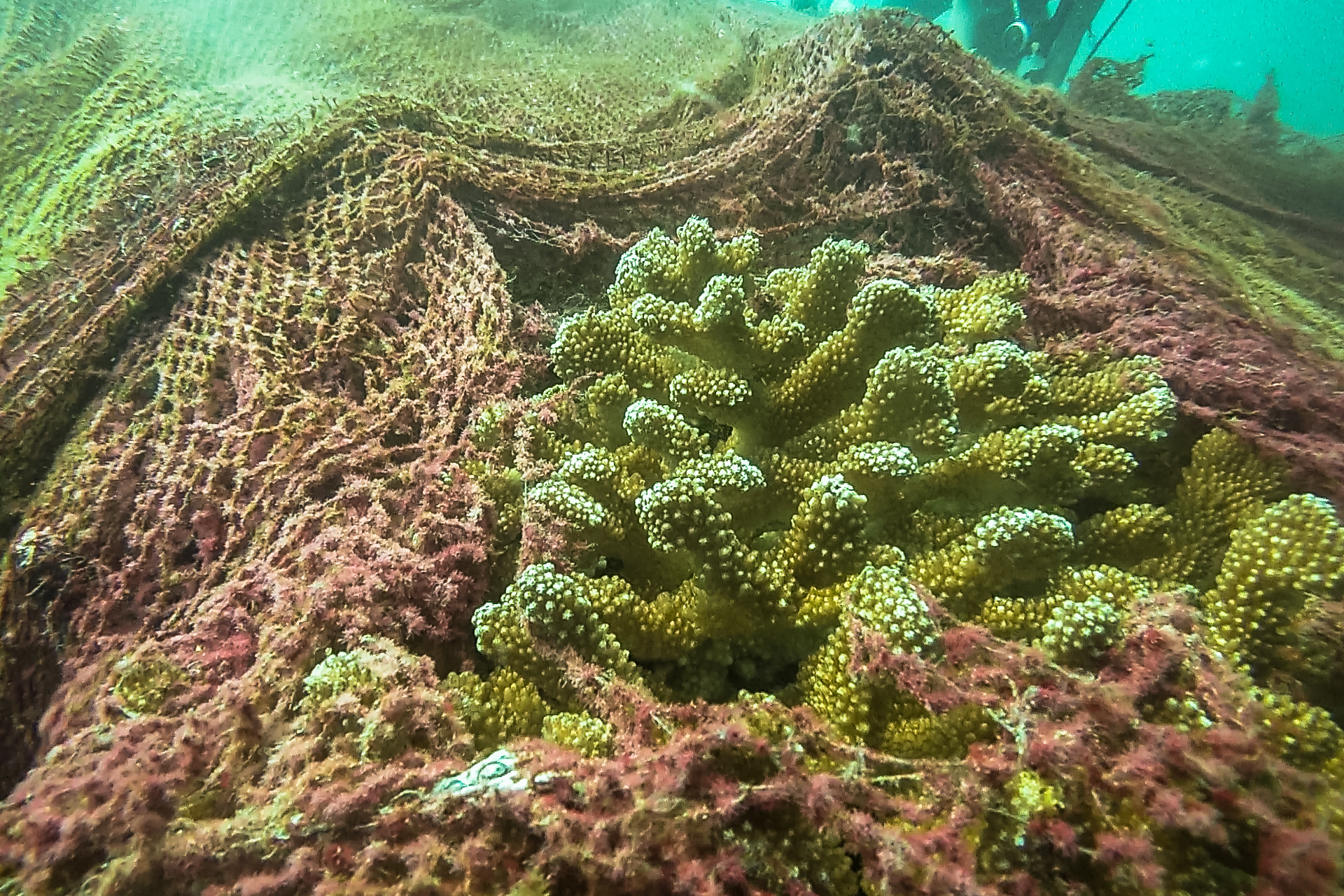
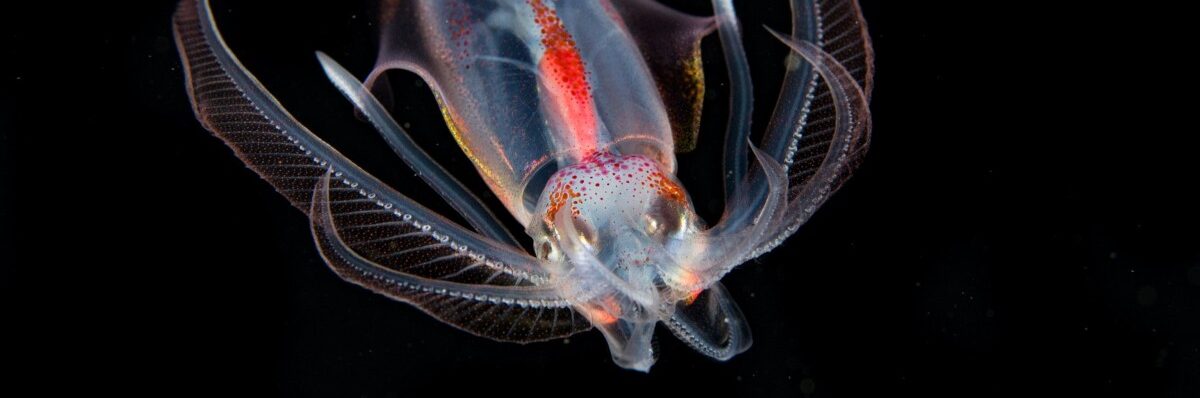
This fishing gear continues catching fish, turtles, birds, marine mammals, and other marine organisms. They also smother coral reefs and seagrass beds and damage marine ecosystems. Over time, this gear fragments into microplastics, slowly entering the food chain.

Ghost nets can entangle with active fishing gear and cause damage, leading to extra costs for fishermen. Ghost nets destroy marine organisms and collapse marine ecosystems, which reduces fish stocks and threatens biodiversity. They also impact coastal livelihoods dependent on fisheries and tourism. 

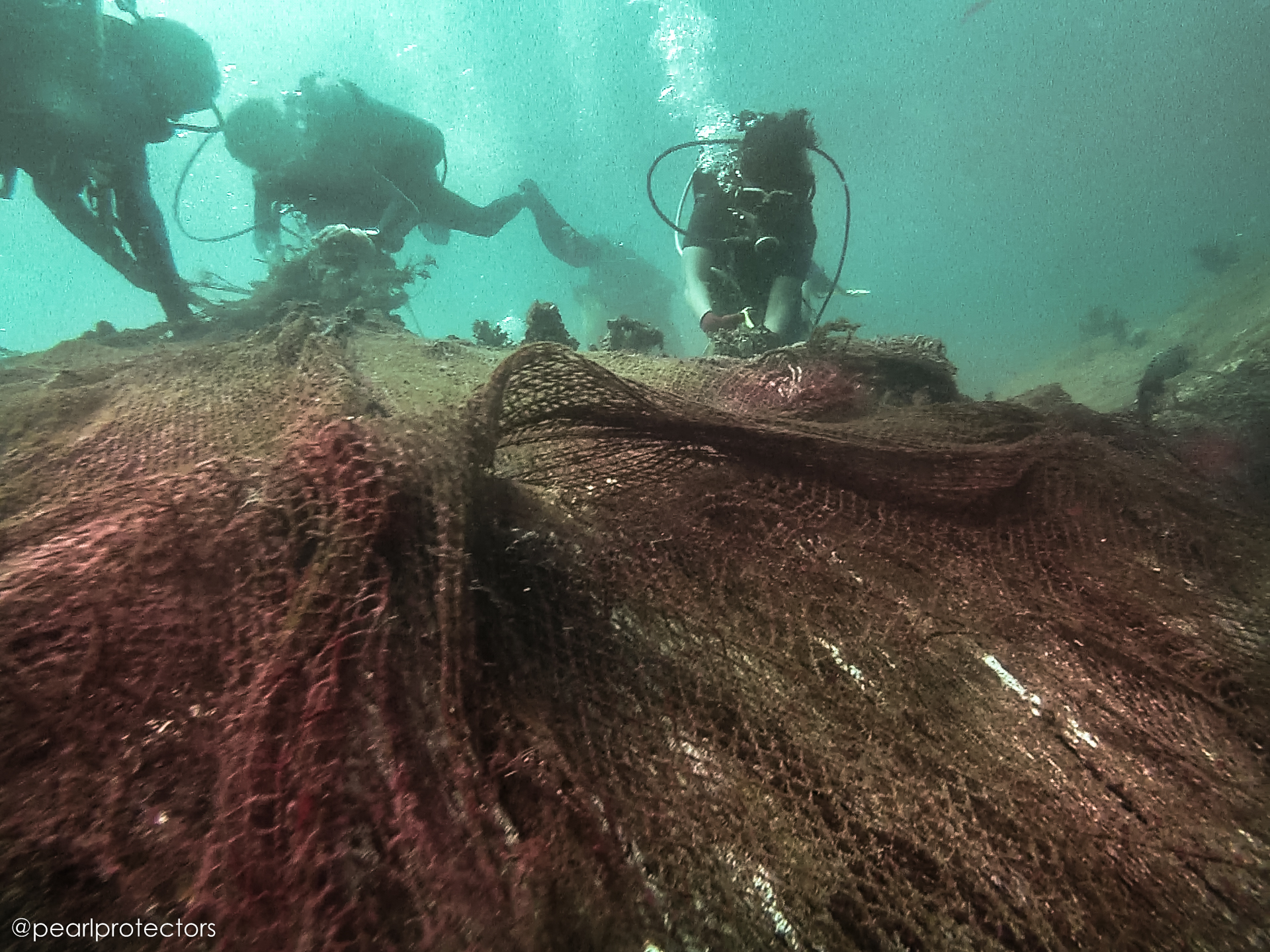
Additionally, cleaning ghost nets from the seabed is also a costly and labor-intensive process, requiring specialized equipment and hours of careful work by divers, putting a financial strain on both governments and coastal communities.

 
Divers in action - Removing Ghost Nets from our oceans

Solutions to Reduce ALDFG in Oceans

Prevention can be done by better gear marking, which will help reduce illegal gear discarding, implementing initiatives like biodegradable gear, and providing incentives for gear return. Retrieval can be done through organized cleanup drives and ghost net removal projects.

Policy and regulation also play a crucial role, such as the enforcement of strict rules and regulations regarding fishing gear disposal and improving port reception facilities.

Communities also have a huge responsibility. Improving public awareness about ghost nets and motivating fishermen to report and retrieve lost gear are essential steps.

Cleaner Seabeds for Sri Lanka Expedition, an initiative by The Pearl Protectors, is tackling a big problem beneath our seas. The expedition team regularly dives around Sri Lanka’s most vulnerable reefs to remove ghost fishing gear and plastic pollution from the seabed. By doing this, they’re giving marine life a real chance to thrive and helping restore balance to these fragile marine ecosystems.

This expedition was the first initiative of its kind in Sri Lanka, and is open to volunteer divers who are interested in protecting and conserving Sri Lanka’s marine environment.

The Need for Immediate Action

ALDFG, or ghost nets, are not directly visible to our eyes, even though they silently do their destructive work beneath the water. My encounter with the dead sea turtle serves as just one heartbreaking reminder of the hidden damage caused beneath the waves. But this problem is not unsolvable. 

Through better gear marking, retrieval programs, biodegradable materials, stricter policies, and active involvement of fishing communities, we can reduce the spread of ghost gear in our oceans.

Protecting marine ecosystems from ALDFG is not only about saving fish or turtles; it is about safeguarding food security, biodiversity, and the health of our oceans for future generations. The time to act is now, before more lives are lost to these silent killers of the sea.

Image Credits: The Pearl Protectors

Leave a Reply