
Battling Plastic Pellets: Behind the Scenes of a Nurdle Cleanup

By: Rojie Ekanayake

As Sri Lanka’s coasts once again face the threat of plastic pellets known as nurdles, groups like Nurdle Free Lanka have stepped up to tackle this issue by hosting volunteer-run cleanups. But what exactly is a nurdle clean up, and are they enough to protect our environment? This article answers some Frequently Asked Questions about the efforts of the Nurdle Free Lanka campaign. 

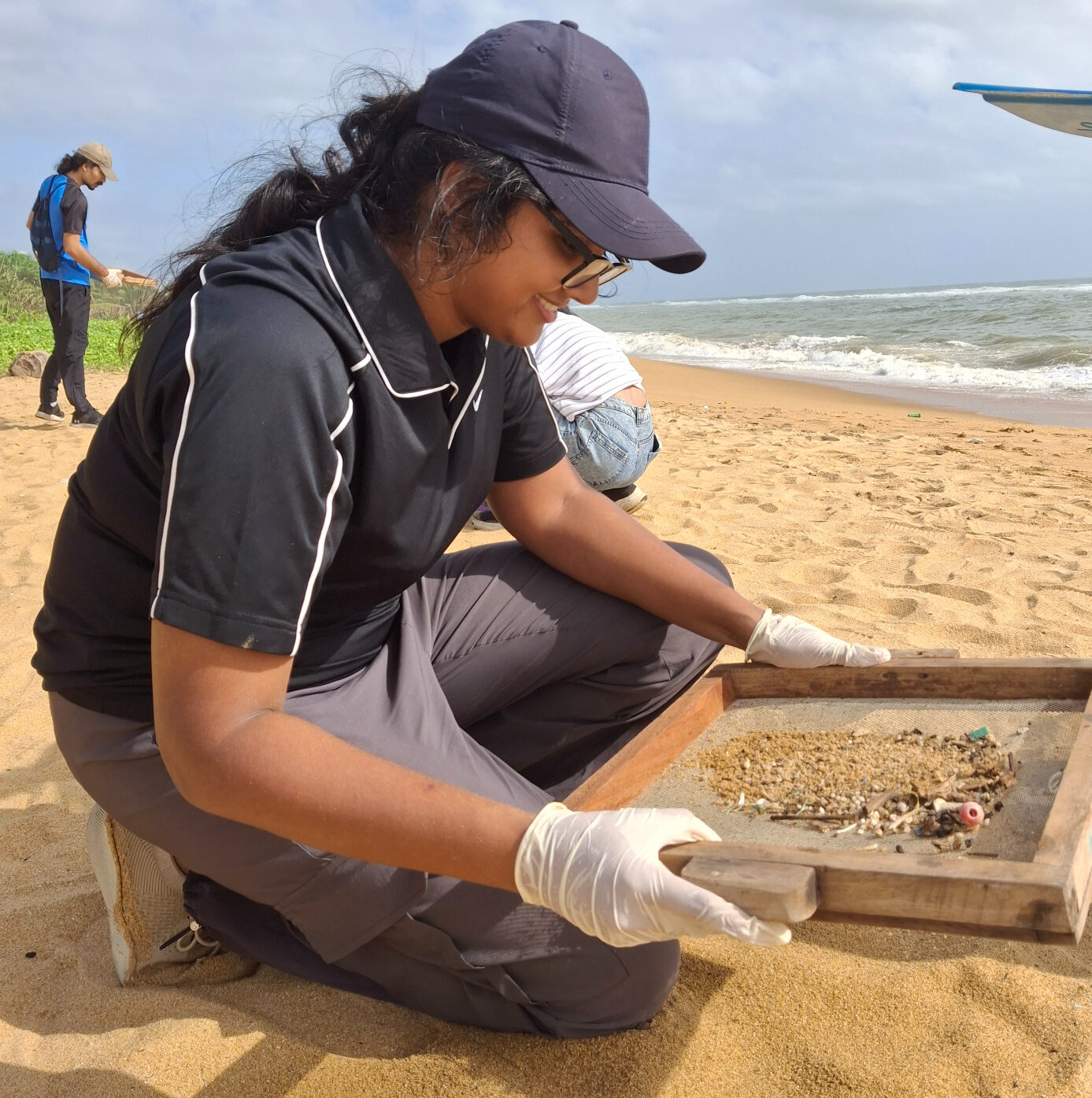
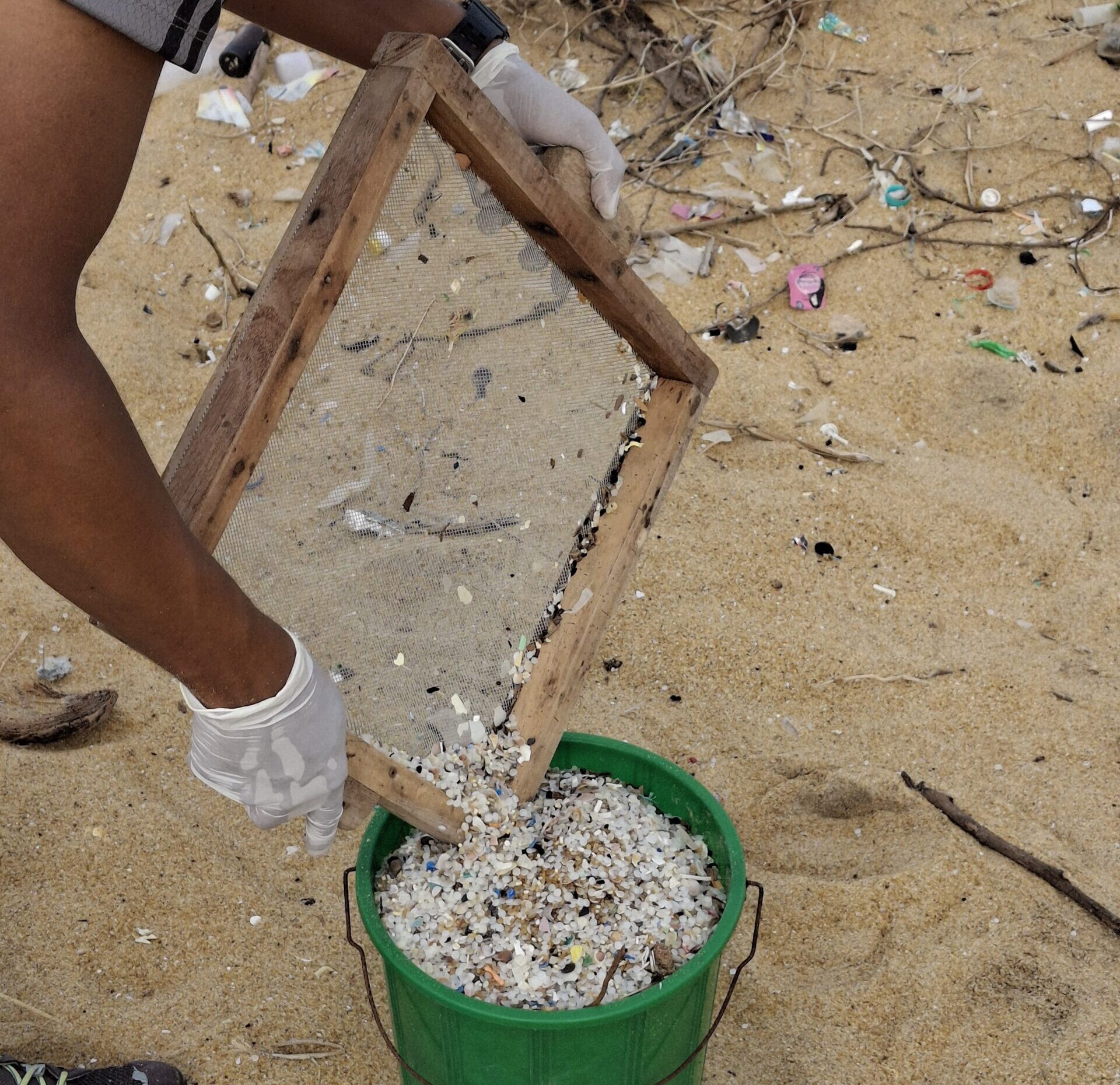
A volunteer sieving nurdles from sand

Q. What is a nurdle cleanup, and is it different from a beach cleanup?   

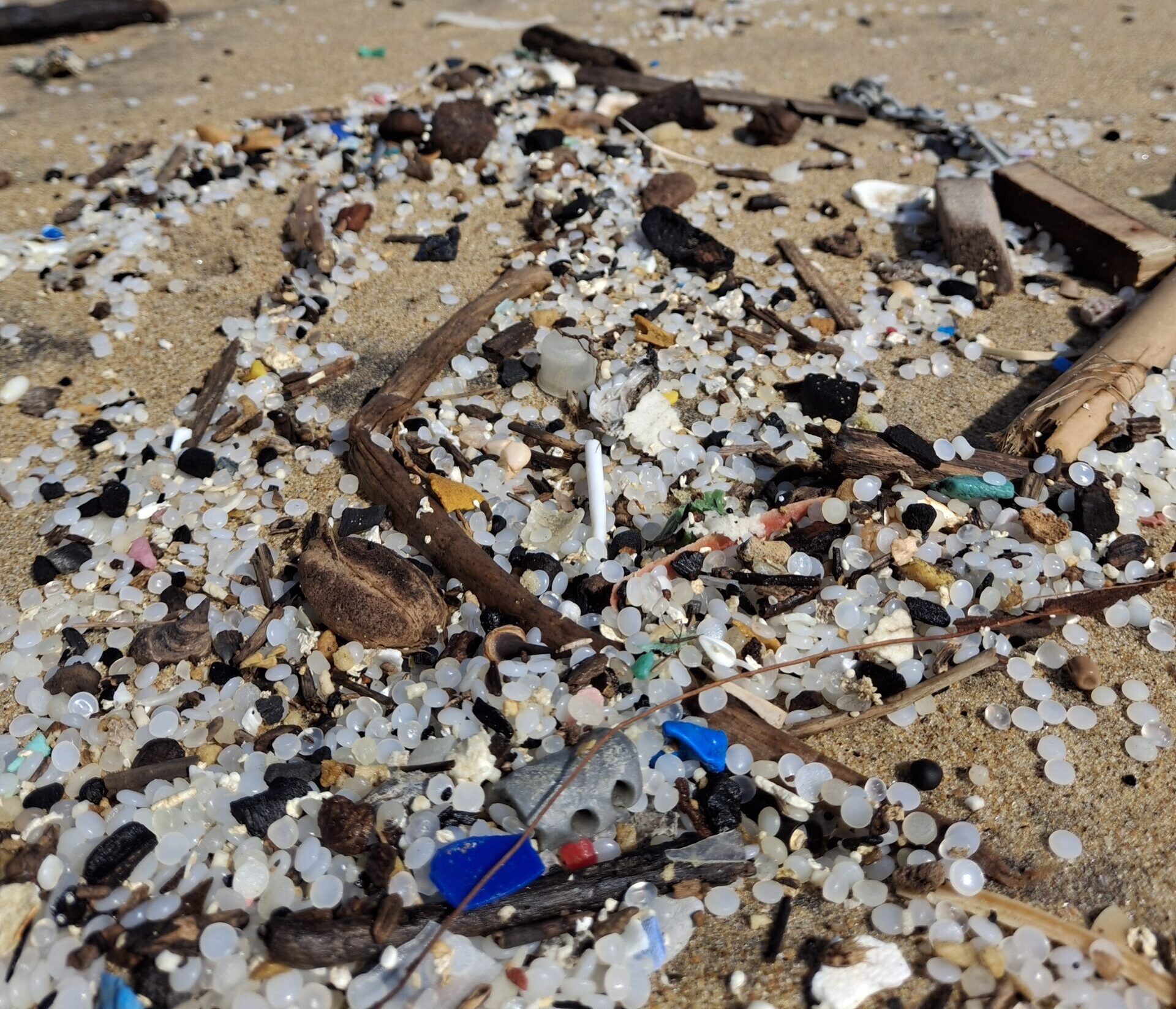
A: Cleanups targeting nurdles focus on a specific type of microplastic and require specialised tools. Unlike other garbage, these pellets are not the result of improper waste disposal. They are from unexpected incidents like shipping disasters. Handling them requires additional safety measures because they may be contaminated with harmful substances. Also, nurdles collected must be carefully documented since they are a vital source of information for authorities. 

Q: Where have these nurdles come from? 

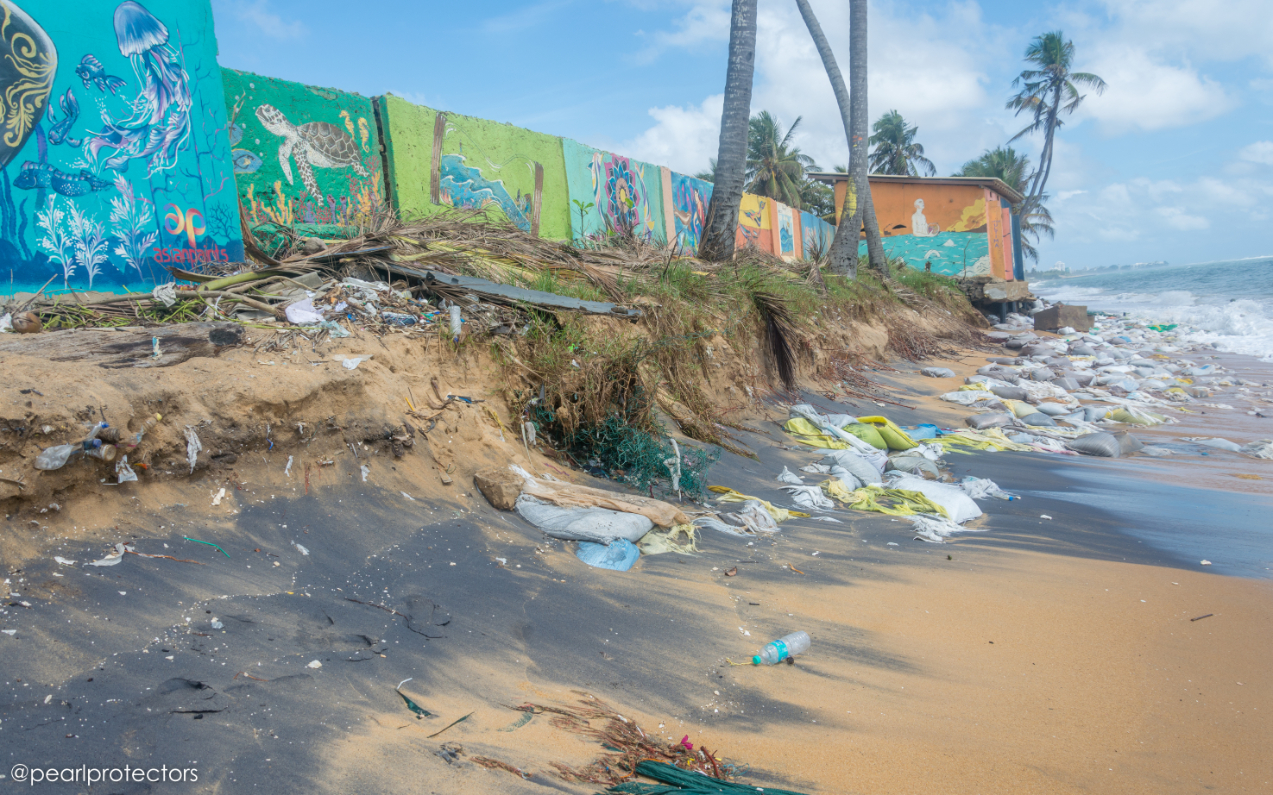
A: In late May this year, a ship named MSC Elsa 3 sank off the coast of Kerala. Since then, there have been increasing amounts of nurdles washing up on the coasts of Sri Lanka. But nurdles from the MV X-Press Pearl incident in 2021 are also still found on beaches, making it difficult to identify the exact source. 

Q: How many nurdles have been collected, and by when can we collect them all?

A: Collecting every nurdle is an impossible task. While exact figures are not available, one estimate suggests that there were around 1,620 metric tons of nurdles on the ship that sank in May. That’s more than an Olympic-sized swimming pool full of plastic pellets! Since the recent incident, volunteers from Nurdle Free Lanka have collected around 173kg of nurdles. Despite this being a small fraction, a consistent cleanup effort across both Sri Lanka and India helps in minimizing damage. Cleanups are also useful in collecting data to understand the impacts of nurdles and hold those responsible accountable.

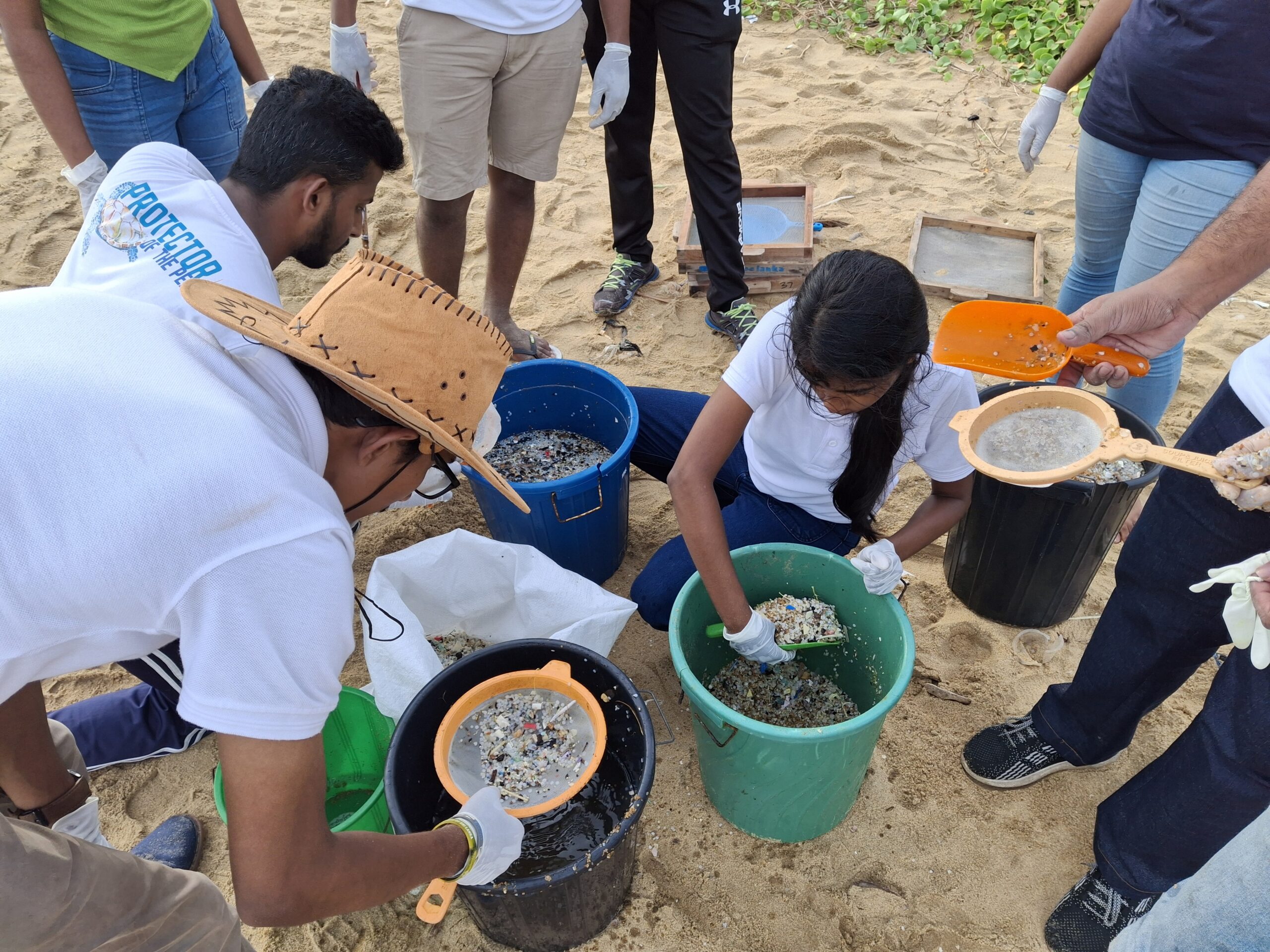
The process of water filtration

Q: Why are there lots of nurdles on the beach on some days and hardly any on others?  

A: It’s difficult to predict how nurdles disperse when they are carried away by ocean waves. Waves are, in turn, affected by factors like weather patterns, ocean currents, and lunar phases. For instance, more nurdles can be found on beaches following a full moon day. As time passes, these pellets become harder to spot since they disintegrate and discolour.

Q. ⁠What happens to the nurdles collected? 

A: Nurdles collected from spills are difficult to use safely since they may be contaminated. Nurdle Free Lanka generally hands over pellets collected by volunteers to the Marine Environment Protection Authority to be disposed of. 

If you are interested in contributing to these efforts by participating in a cleanup, sign up for updates via this website: https://pearlprotectors.org/volunteer/

Image Credits: The Pearl Protectors

Collecting buckets of plastic nurdle pellets

Leave a Reply