

By: Sandeepa Pushpakumara
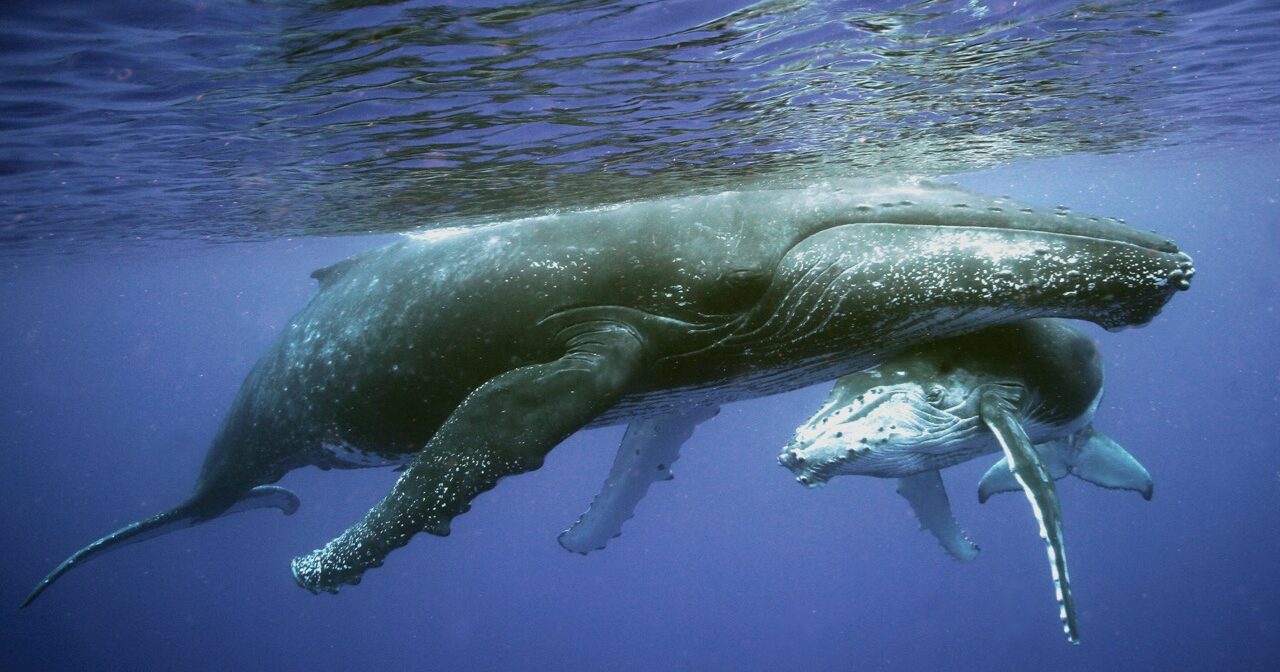
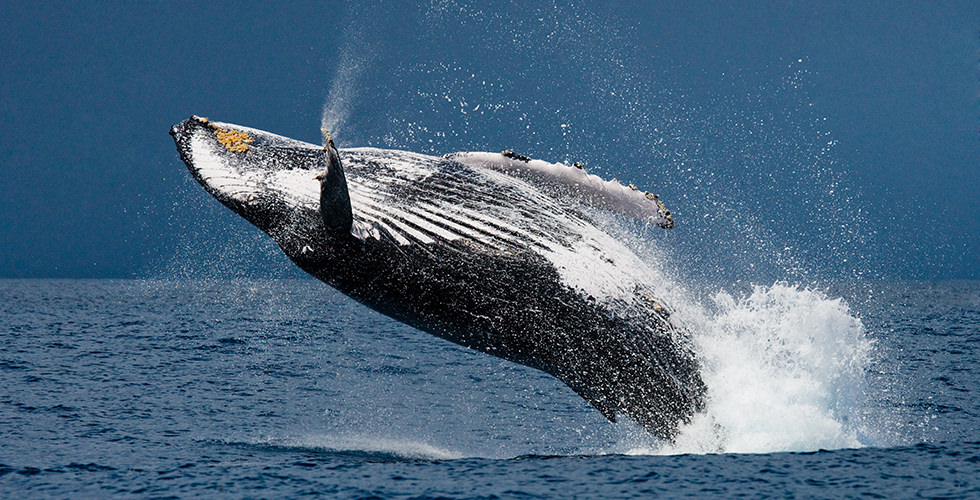
Think of listening to the same song reverberate through an ocean, only to find that it has turned into a completely different melody a few years later. That is, in a sense, what occurs with humpback whales. The eerie songs they produce are not static; they evolve in response to cultural learning, environmental changes, and population shifts. These changes are not merely intriguing; they aid scientists in understanding whale behaviour, migration patterns, and the state of marine ecosystems.

Male humpback whales produce long and complicated sequences that consist of repeated units and themes, especially during the breeding season. Remarkably, all the males in a population share a similar song. The songs gradually change over time due to social learning among individuals. The researchers refer to this process as cultural evolution, as whales socially learn and modify songs, causing new variations to spread through the population over time.
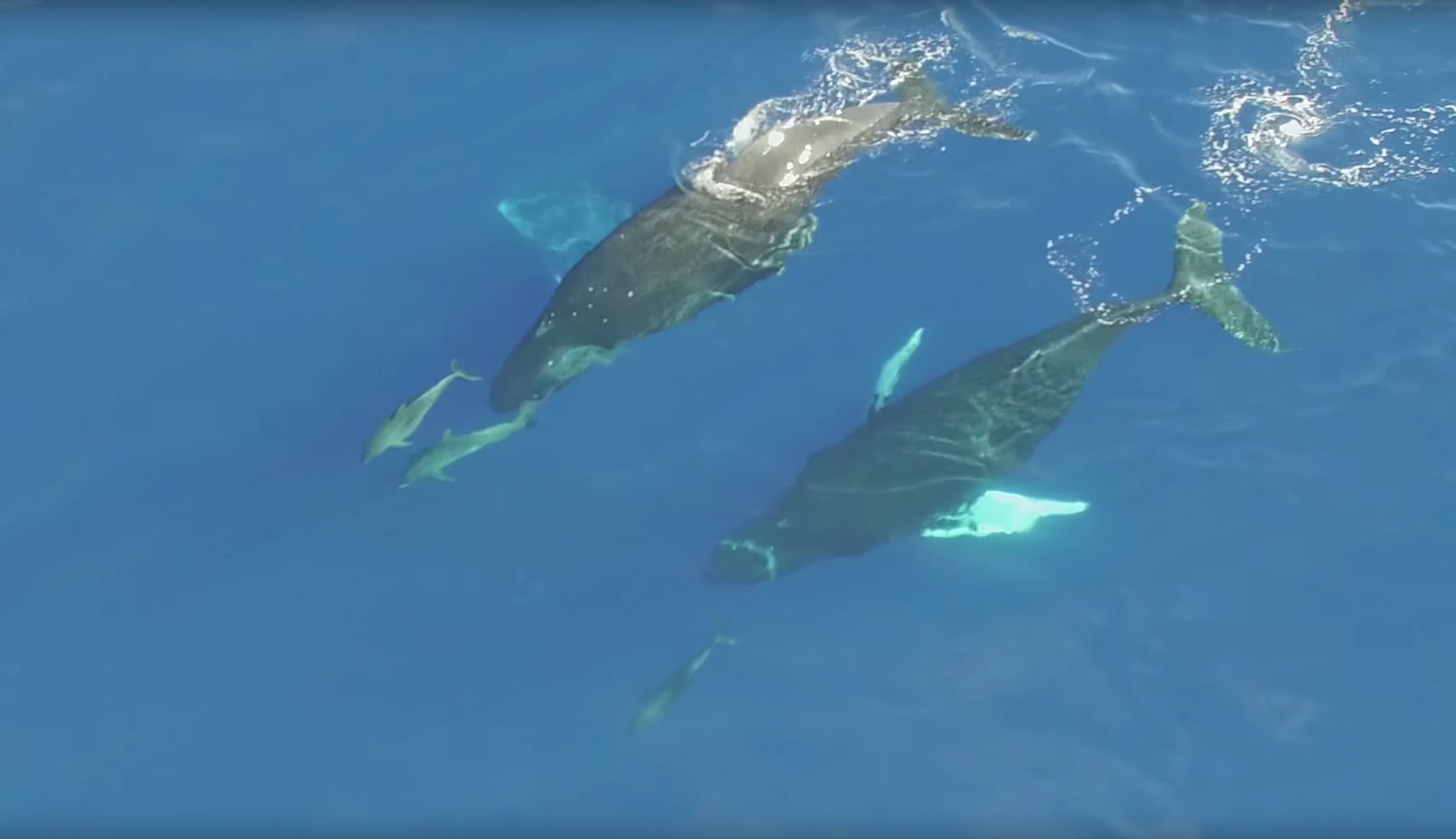
In some cases, the changes are dramatic. Scientists have documented song revolutions in which a completely new song spreads through whale populations and supplants the previous one within just a few years. A well-known example occurred when a song from Western Australia rapidly spread to eastern Australia, replacing the song previously sung there, before spreading across the South Pacific. Comparable patterns have also been seen between French Polynesia and Ecuador, demonstrating that whales are able to transmit cultural traditions over thousands of kilometres.
The ocean itself has an influence on whale songs. Natural sounds like wind and waves, and the growing amount of anthropogenic noise from ships, have an effect on the way whales communicate. Studies have found that humpback whales tend to sing louder when the level of background noise rises, a phenomenon called the Lombard effect. Yet they seem to respond in different ways to natural sounds and to noises produced by humans, occasionally failing to compensate for the noise from engines. This could reduce the distance over which their songs can travel.
The environment and the way the population recovers also have an effect on the way whales call. Changes in vocalisations have also been observed in other whale species. In recent decades, for example, the calls of blue whales have gradually become lower in frequency. Since this change is not attributed to shipping noise, researchers have suggested that the decline in call frequency may be a consequence of recovering whale populations. However, the exact cause remains uncertain.
Climate change is introducing an extra element of complexity since marine heatwaves and shifting ocean conditions affect the availability of krill and fish, which in turn influences whale migration and behaviour. A study carried out in California found that humpback whale singing activity varied with prey availability, with songs becoming less frequent in years when food was scarce.
Whale songs are not simply beautiful music underwater; they reveal how whales learn from each other and respond to changing environmental conditions and human activity. By monitoring these changing melodies, scientists gain important insights into population connectivity, ecosystem health, and the conservation of some of the ocean’s most remarkable animals.
Why It Matters
There is much more to understanding why whale songs change than simply satisfying scientific curiosity; Understanding why whale songs change is about more than satisfying scientific curiosity; it can also play an important role in marine conservation. has an important role in marine conservation. Whale songs offer a non-invasive method to monitor changes in marine environments. It has been shown that alterations in singing behaviour often correspond to changes in the availability of prey, in ocean conditions, and in human activity.
Scientists now use passive acoustic monitoring systems, including underwater microphones and autonomous gliders, to record whale vocalisations across many parts of the world’s oceans. The recordings are useful for estimating the sizes of whale populations, for monitoring their migration routes, and for detecting links between different whale populations. When whales in separate areas sing similar songs, this can provide evidence of cultural transmission and connectivity between populations. Conversely, changes in the complexity or frequency of the songs may reflect shifts in environmental conditions or behaviour, such as greater stress caused by noise pollution, climate change, or habitat disruption.
Whale songs consist of more than just beautiful underwater melodies; they provide a valuable source of scientific data. When researchers listen to these changing symphonies, they are able to gain a better understanding of how whales react to a changing ocean and can thus formulate more effective conservation measures. In the end, protecting whales and the acoustic environments they depend on will help support marine biodiversity for future generations.
Feature Image Credits: connectivitycheck.gstatic.com/generate_204